
Why Does My Tooth Hurt When I Eat Chocolate?
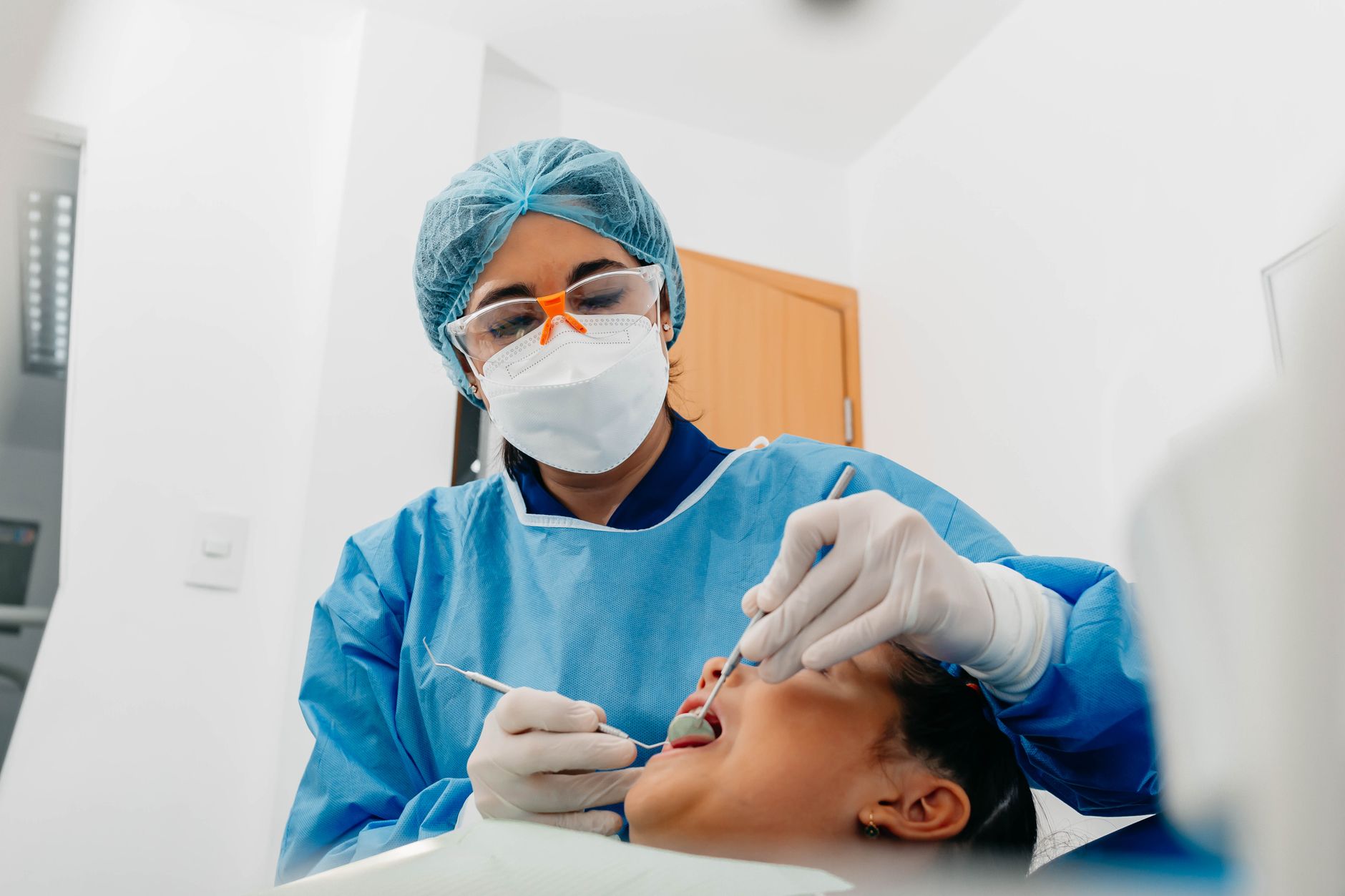
Photo by iam luisao via Pexels
Why Chocolate, Specifically
Chocolate is sugar, and it is also sticky. It melts onto the tooth and stays there longer than a sweet you swallow quickly, which gives sugar more time to seep into any gap in the enamel. Straight from the fridge, it adds cold on top.
Under the enamel is dentin, which is threaded with tiny fluid-filled channels leading to the pulp (the nerve inside the tooth). When sugar or cold reaches those channels, the fluid moves and the nerve registers it as a sharp zing. The general mechanism is covered in why a tooth hurts when you eat sweets.
What Usually Causes It
- A small cavity. Often between two back teeth where you cannot see it. Pain with sugar is frequently the first sign anyone notices.
- A leaking filling. The edge of an older filling can open a hairline gap, and decay starts underneath it.
- Exposed root near the gum. Root surface has no enamel, so sweet, cold and even brushing get through. See sensitive teeth and what causes them.
- A crack. Nuts, toffee or a hard chocolate chip can find a crack that was already there. If biting is the main trigger, tooth pain when biting with no cavity is the better match.
- A recent filling. A new filling can twinge for a week or two. Sensitivity after a filling explains what is normal.
What the Pain Pattern Tells Us
How long the pain lasts after the chocolate is gone matters more than how sharp it was.
- A flash in one tooth that fades within seconds of rinsing: most likely a cavity or an edge that needs sealing. Book a visit this week, not tonight.
- A mild zing on several teeth near the gum, with cold and sweets: exposed dentin. Annoying, not dangerous.
- An ache that lingers for minutes, throbs, or wakes you at night: the nerve itself is inflamed. That is a different conversation, covered in deep filling or root canal.
Most people respond by chewing on the other side for a few months and hoping. It is a perfectly human plan, and the cavity does not take part in it.
What Helps Until You Are Seen
- Rinse with plain water after anything sweet, and brush gently with a soft brush.
- Use a desensitising toothpaste, and keep very cold or very sweet food away from that side.
- Do not put a crushed aspirin on the gum. It burns the tissue and does nothing for the tooth.
- Do not wait for it to stop on its own. A cavity does not heal, and the pain going quiet only means the nerve has stopped answering. Whether tooth pain is a cavity explains how we check.
Getting It Looked At in Beit Shemesh
Our clinic on Harav Kook is open Sunday to Thursday 08:00 to 20:00 and Friday 09:00 to 17:00. Shabbat is for genuine emergencies only. A sweet-triggered ache that starts after the Friday night meal can usually wait until Sunday morning, as long as it settles once you rinse.
If it is throbbing and will not ease, message us before it gets late rather than after. You can describe it in English or Hebrew, which helps when the question is whether it is cold, sweet or biting that sets it off. Our page on dental fillings in Beit Shemesh explains how a small cavity is repaired, and emergency dental care in Beit Shemesh covers urgent visits.
When You Do Not Need Us
If the pain is a brief zing, gone within seconds, and you have a routine check-up due anyway, mention it then. It does not need an urgent slot.
If you have facial swelling that is spreading, trouble swallowing or breathing, or a fever, go to the nearest emergency room. That is no longer a chocolate problem.
If your tooth is not behaving the way this page describes, call or WhatsApp Urgent Dental Care in Beit Shemesh on 055-985-8845. You see one dentist, Dr. Gabriel Joel, DMD, and same-day appointments are possible. Residents of Ramat Beit Shemesh can read about urgent treatment in Ramat Beit Shemesh, a short drive away.
For guidance from sources with nothing to sell, the American Association of Endodontists explains what different kinds of tooth pain usually mean, and the ADA's MouthHealthy covers what counts as a dental emergency.
Common questions
Why does only chocolate make my tooth hurt?
Is a toothache from chocolate a sign of a cavity?
Does dark chocolate hurt teeth less than milk chocolate?
Can a tooth hurt from chocolate without a cavity?
Should I stop eating chocolate until I am seen?
Can I get a sensitive tooth checked in Beit Shemesh on the same day?
Still not sure? Message us.
Send Dr. Gabriel Joel, DMD a quick description of what's going on and we'll point you in the right direction.
Message on WhatsAppDentist in Beit Shemesh — our dental clinic