
Is Tooth Pain a Cavity? How to Tell and What to Do Next
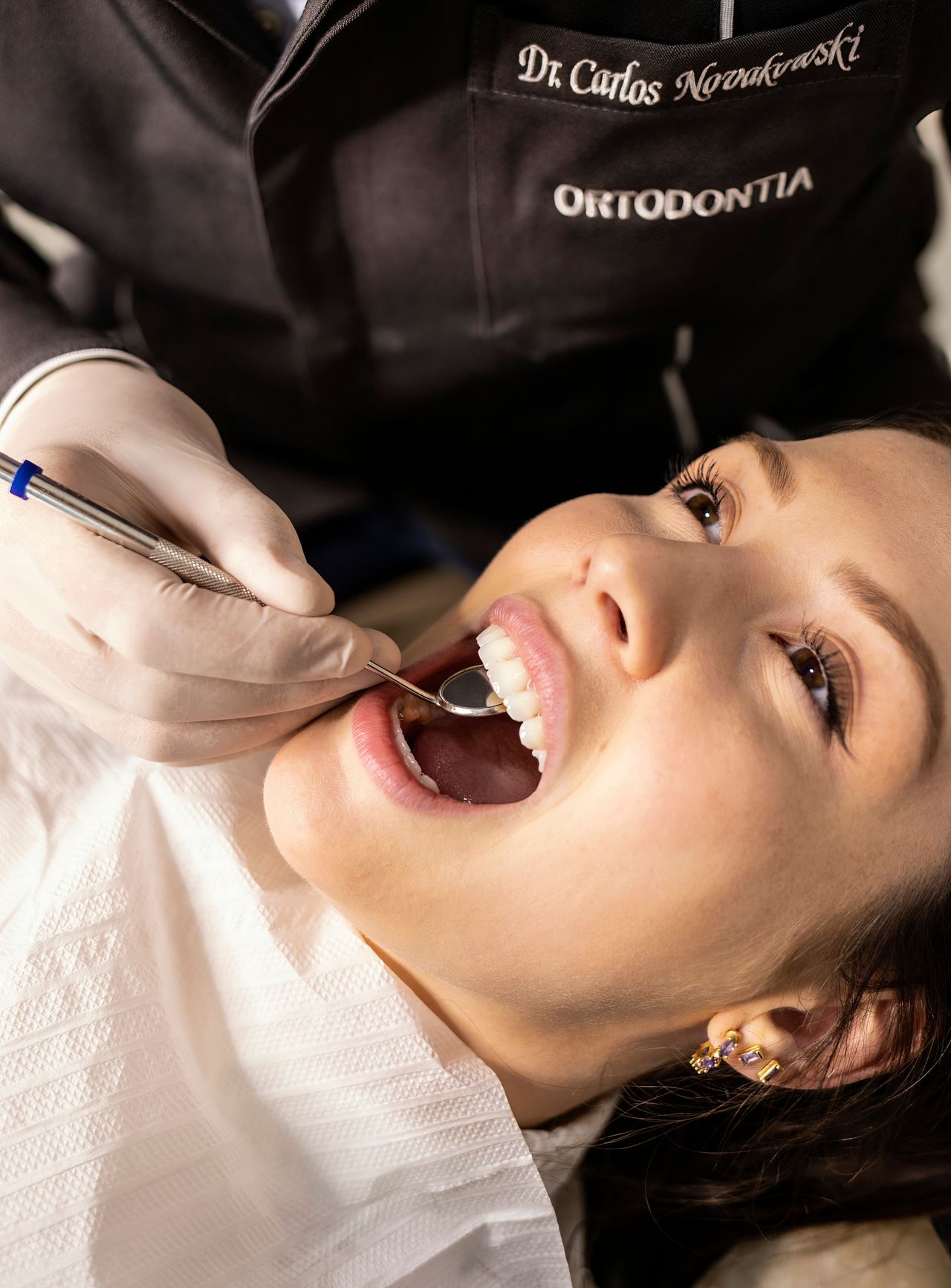
Photo by Filip Rankovic Grobgaard via Pexels
How a Cavity Usually Feels
Early decay often hurts not at all. That is the annoying part: by the time it hurts, it has usually travelled a fair way in. When a cavity does announce itself, it tends to look like this:
- Short, sharp pain with sweet, cold or hot food that fades within seconds of the trigger going away.
- Food catching in one particular spot, or a rough edge or dark patch you can feel with your tongue.
- Pain when chewing on one tooth, once the hole is deep enough to leave the nerve close to the surface.
Pain that appears only with a trigger and stops when the trigger stops is the good news version. It usually means the nerve is irritated but still healthy, and a filling is often enough. More on that pattern in why a tooth is sensitive to cold.
When Tooth Pain Is Not a Cavity
A tooth can hurt with no decay anywhere on it. The usual alternatives:
- A crack. A sharp jolt when you bite something small, or as you let go. Cracks are often invisible on an x-ray. See tooth pain when biting with no cavity.
- Gum trouble. A tender, swollen patch of gum beside the tooth, sometimes after something got trapped, or an infection in the gum itself.
- Clenching or grinding. A dull ache on several teeth, worst in the morning, with a tired jaw.
- The sinus. Several upper back teeth aching on one side during a cold. Sinus infection or toothache explains how to tell.
- An inflamed or dying nerve. Throbbing, pain that lingers after cold, or pain that wakes you at night. That can follow a deep cavity, but also a knock or an old filling.
You cannot reliably tell these apart from the armchair, and a mirror at home will not settle it. Decay is also not always visible: between teeth and under old fillings it hides from a look and from your tongue.
When It Can Wait and When It Cannot
Not every sore tooth needs a same-day slot.
Can usually wait a few days for a routine visit:
- Brief twinges with sweets or cold that stop quickly.
- A rough patch or a tooth that catches food, with no ongoing pain.
Worth being seen within a day or two:
- Pain on chewing that you can reproduce on one tooth.
- Cold or sweet pain that has started to last longer than it used to.
Same day:
- Throbbing, pain that wakes you, or pain that lingers for minutes after the trigger.
- Swelling in the gum or face, a pimple on the gum, or a bad taste from one tooth.
Waiting to see if it settles is understandable, and most of us have tried it. With a cavity, though, the delay tends to turn a filling into something bigger. If you are unsure which row you are in, our guide to whether a toothache can wait until morning goes through it in more detail.
How We Tell at Our Beit Shemesh Clinic
At our clinic on Harav Kook 28/1, Dr. Joel starts with where the pain is and what sets it off, then checks the tooth rather than guessing. That usually means an x-ray, a cold test on the nerve, tapping and biting tests, and a look along the gum for anything trapped or swollen.
If it is a cavity, the fix depends on how deep it goes: a filling if the nerve is healthy, and root canal treatment if the nerve has been damaged. If it is a crack, gum trouble or grinding, the treatment is different, which is the point of finding out before treating. Dr. Joel trained in the United States and treats in Hebrew and English, so you can describe the pain the way you would to a friend, and not translate it.
If It Starts Before Shabbat
Toothache has a talent for arriving on Thursday night. The clinic is open Sunday to Thursday 08:00 to 20:00 and Friday 09:00 to 17:00, and Shabbat is reserved for genuine emergencies only. If a tooth has been bothering you since midweek, message us by Friday morning rather than carrying it through Shabbat. Same-day appointments are possible at the Beit Shemesh clinic.
Until You Are Seen, and When to Go to Hospital Instead
- Keep sugar and very cold drinks away from the tooth, and chew on the other side.
- Brush gently and floss around it in case something is trapped.
- An anti-inflammatory painkiller such as ibuprofen, taken as the packet directs, if it is safe for you.
Do not put aspirin or anything else against the gum. It burns the tissue and does not help the tooth.
Go to a hospital emergency room, not to us, if swelling is spreading toward your eye or down into your neck, if you have trouble breathing or swallowing, or if you have a high fever and feel genuinely unwell. The ADA's MouthHealthy page on dental emergencies draws the same line, and the AAE explains dental symptoms by type.
If you cannot tell whether your tooth pain is a cavity, send a WhatsApp saying which tooth, what sets it off and how long it lasts. That is often enough for us to say whether it needs today or can wait for next week. Call or WhatsApp 055-985-8845. Urgent Dental Care is at Harav Kook 28/1, Beit Shemesh, with same-day appointments when a tooth cannot wait and emergency dental care outside normal hours.
Common questions
How do I know if my tooth pain is a cavity?
Can a cavity hurt without being visible?
Can tooth pain go away on its own if it is a cavity?
What if my tooth hurts but the dentist says there is no cavity?
Will a cavity always need a root canal?
Can I get a same-day appointment in Beit Shemesh for tooth pain?
Still not sure? Message us.
Send Dr. Gabriel Joel, DMD a quick description of what's going on and we'll point you in the right direction.
Message on WhatsAppDentist in Beit Shemesh — our dental clinic