
Tooth Sensitive to Cold: Causes and When to See a Dentist
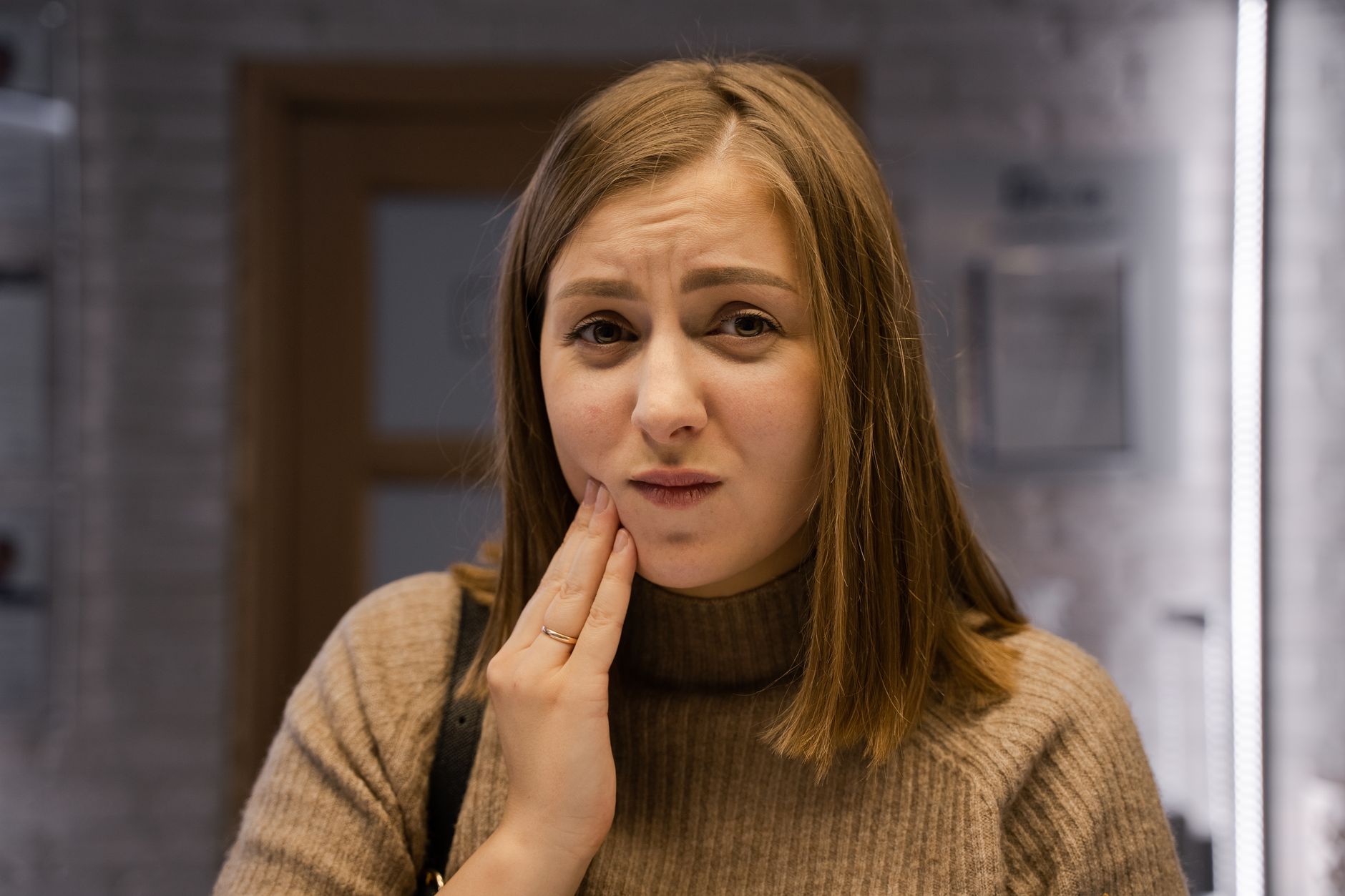
Photo by Pavel Danilyuk via Pexels
Why a Tooth Reacts to Cold at All
Under the hard outer enamel of every tooth is a softer layer called dentin. Dentin is threaded with thousands of microscopic tubes that lead straight to the nerve at the center. When the enamel is intact, it seals those tubes off. When enamel wears thin, or the gum pulls back and exposes the root, cold can travel down the tubes and reach the nerve, which reads it as a sharp, brief pain.
That's why the pain is so fast and so specific. It isn't the tooth being damaged in the moment; it's the nerve getting a message it isn't usually meant to get. A healthy nerve gives one quick complaint and settles. A nerve that's inflamed or dying reacts harder and holds the pain longer, and that difference is the whole basis for telling ordinary sensitivity apart from a real problem.
The One-Second Rule: Twinge vs. Warning Sign
The single most useful thing to pay attention to is how long the pain lasts once the cold is gone.
- A brief twinge that stops almost immediately is ordinary sensitivity. It's common, it comes and goes, and it usually responds to a change in toothpaste and brushing habits.
- Pain that lingers for thirty seconds or more, throbs afterward, or builds instead of fading suggests the nerve is inflamed. That's often the early sign a tooth is heading toward needing a root canal.
- Cold that used to hurt and now brings no reaction at all, especially in a tooth that has darkened, can mean the nerve has died. That is not an improvement, even though the pain stopped.
If your sensitivity has crossed from a quick jolt into lingering pain, it's worth reading the wider signs a tooth needs a root canal, since cold sensitivity that lingers is one of the first of them.
What Turns a Tooth Sensitive to Cold
Cold sensitivity has a handful of common causes, ranging from harmless to worth treating soon:
- Worn enamel from aggressive brushing, a hard-bristled brush, or years of acidic food and drink
- Receding gums that expose the softer root surface, which has no enamel to protect it
- A cavity that has worked through the enamel and reached the dentin
- A cracked or chipped tooth, where cold slips into the crack and reaches the nerve
- A worn or leaking filling that no longer seals the tooth
- Grinding or clenching, often at night, which wears enamel and flexes the tooth
- Recent dental work, like a new filling or a cleaning, which can leave a tooth touchy for a few days to a couple of weeks
- Whitening, which commonly causes temporary sensitivity that fades once you stop
A tooth that turned sensitive right after a filling is usually nothing to worry about for a week or two. Pain or sensitivity after a filling covers when that's normal and when it isn't. If the sensitivity came with a sharp jolt on biting, a cracked tooth is worth ruling out.
What You Can Do About It at Home
For everyday sensitivity that isn't lingering or getting worse, a few things genuinely help:
- Switch to a desensitizing toothpaste and use it daily. It works by blocking those dentin tubes, but it takes a couple of weeks of steady use to build up, not a single brush.
- Use a soft-bristled brush and go gently. Scrubbing harder wears enamel down faster and makes sensitivity worse, not better.
- Ease off acidic foods and drinks like citrus, soda, wine, and sparkling water, which strip enamel over time.
- Don't brush straight after something acidic. The enamel is briefly softened, so wait about thirty minutes.
- If you grind or clench at night, ask about a night guard.
Give a real home routine two to three weeks before deciding it isn't working. Much of ordinary cold sensitivity settles in that window. If it doesn't, that's your answer that something else is going on.
When to See a Dentist, and When It Can Wait
Plenty of cold sensitivity can wait for a routine check-up, and it's fair to say so. A mild twinge that's been steady for a while, sensitivity after a recent filling, or touchiness after whitening rarely needs an emergency visit.
See a dentist soon, not in three months, if the cold pain lingers well after the cold is gone, if it's getting worse week to week, or if one specific tooth has become the problem rather than a general touchiness. Those are the patterns that mean the nerve is involved, and waiting to see whether it settles is usually the more expensive choice: an inflamed nerve you could have treated calmly can turn into an abscess that forces the issue.
Go to a hospital emergency room, not a dental clinic, if there's facial swelling spreading toward your eye or down your neck, a fever alongside the tooth pain, or trouble swallowing or breathing. That's an infection that has moved past the tooth, and it's beyond what a dentist handles first.
If a tooth has gone from a quick cold twinge to pain that lingers, or one tooth has clearly become the troublemaker, call or message us on WhatsApp at 055-985-8845. We're open Sunday to Thursday 8:00 AM to 8:00 PM and Friday 9:00 AM to 5:00 PM, with after-hours emergency treatment outside those hours. We'll check whether it's simple sensitivity or a nerve that needs a root canal, and tell you plainly if it's the kind of thing that can wait.
For background from sources with nothing to sell, the ADA's MouthHealthy explains what causes sensitive teeth, and the American Association of Endodontists covers what tooth sensitivity can signal.
Common questions
Why is my tooth suddenly sensitive to cold?
Is cold sensitivity a sign I need a root canal?
How long should a tooth stay sensitive to cold?
Does sensitive toothpaste actually work?
Should I worry about cold sensitivity after a filling?
Why did my cold sensitivity stop on its own?
Can a tooth sensitive to cold be an emergency?
Still not sure? Message us.
Send Dr. Gabriel Joel, DMD a quick description of what's going on and we'll point you in the right direction.
Message on WhatsAppDentist in Beit Shemesh — our dental clinic