
How Soon Can You Eat After a Filling? A Dentist Explains
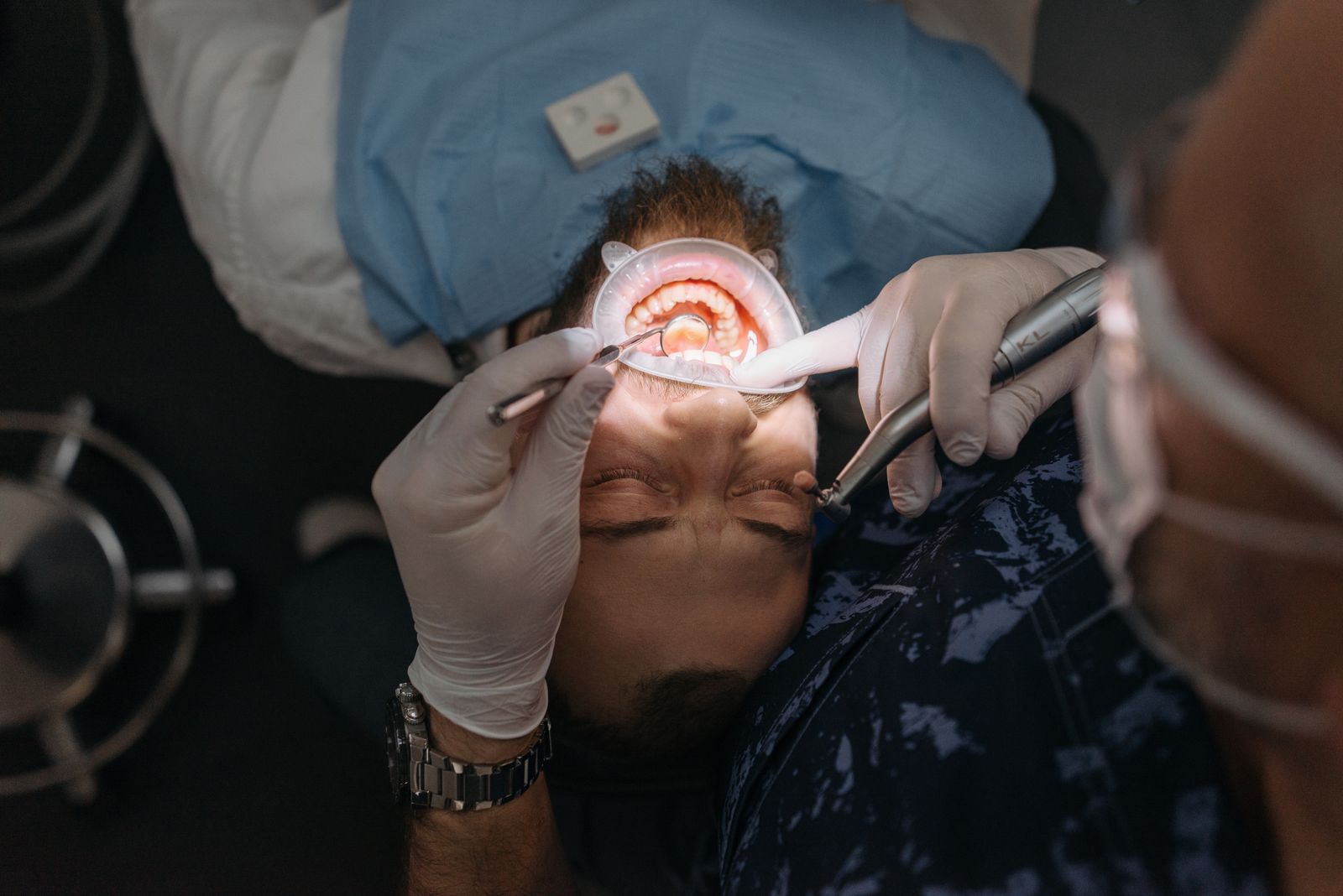
Photo by Pavel Danilyuk via Pexels
The Two Things That Decide When You Can Eat
Ignore any advice that gives one flat number for everyone. When you can eat depends on your own filling.
The first factor is the material. A composite (tooth-coloured) filling is hardened with a blue curing light while you are still in the chair, so it is fully set by the time you stand up. An amalgam (silver) filling sets more slowly and keeps hardening for about a day.
The second factor, and the one that catches most people out, is the anaesthetic. Your lip, cheek, and tongue on that side can stay numb for one to three hours after the injection. That has nothing to do with the filling and everything to do with your safety while eating.
White (Composite) Fillings: Wait for the Numbness, Then Eat
If you had a white filling, the material is done setting before you leave. In theory you could eat immediately. In practice, wait until the numbness has fully worn off so you can feel your tongue and cheek again.
Once the feeling is back, you can eat normally. There is no 24-hour rule for composite. If the tooth feels a little tender or sensitive to cold in the first few days, that is common and usually settles on its own. Our guide on tooth pain after a filling explains when it is normal and when it is not.
Silver (Amalgam) Fillings: Go Easy for 24 Hours
Amalgam is the older silver material. It is strong once fully set, but it keeps hardening for about 24 hours after it is placed. It will not fall out if you eat sooner, but it makes sense to avoid chewing anything hard or sticky directly on that tooth for the first day.
Soft food, chewing on the other side, and skipping the toffee for a day is all it takes. After 24 hours you can treat it like any other tooth.
What to Eat for the First Day
Whichever material you had, the first few hours are easiest if you keep things simple. Good choices while you settle in:
- Soft foods that need little chewing: yoghurt, soup that is not too hot, eggs, mashed potato, pasta, banana.
- Room-temperature or lukewarm drinks rather than very hot or ice-cold ones if the tooth feels sensitive.
- Anything you can chew comfortably on the opposite side.
Worth going easy on for the first day:
- Hard or crunchy food such as nuts, boiled sweets, crusty bread, and ice, especially over a new amalgam filling.
- Sticky food such as toffee, caramel, and chewing gum, which can pull at a fresh filling.
- Very hot and very cold food and drink if the tooth is sensitive, which is normal for a few days.
Why the Numbness Is the Real Reason to Wait
The most common thing that goes wrong after a filling has nothing to do with the filling. It is a numb cheek or tongue getting bitten and chewed without the person feeling a thing, then throbbing for a day once the anaesthetic wears off. Children are especially prone to it, so if your child has had a filling, keep an eye on them until the feeling comes back.
Waiting for the numbness to fade is the one rule that actually matters for both materials. If you must eat while still numb, stick to something soft and chew slowly on the other side.
When to Call Instead of Just Waiting
Mild sensitivity to cold, or a tooth that feels slightly tender when you bite, is common in the first days after a filling and usually settles. A filling that stays too tall to bite on is worth a quick call, because the bite may need a small adjustment that takes minutes. So is pain that gets worse rather than better after the first few days, or a sharp, lingering ache to cold or heat, which can mean the tooth needs more than a filling. Our guides on whether a deep filling needs a root canal and choosing between a crown and a filling cover what that can point to.
None of that is a middle-of-the-night emergency. Swelling of the gum or cheek, or pain that painkillers barely touch, is different. That can mean infection, and you should be seen promptly. If swelling is spreading toward your eye or down your neck, or you have trouble breathing or swallowing, skip the dentist and go straight to a hospital emergency room. Our guide on facial swelling from a tooth infection explains why.
Most of the time, eating after a filling is simple: wait for the numbness to go, then eat on the other side and keep it soft for the first day. If your filling feels wrong, stays too high to bite on, or the tooth starts hurting more instead of less, call or WhatsApp us at 055-985-8845. We are at Harav Kook 28/1 in Ramat Beit Shemesh, open Sunday to Thursday 8:00 AM to 8:00 PM and Friday 9:00 AM to 5:00 PM, with after-hours emergency treatment outside those hours. You see one dentist, Dr. Gabriel Joel, DMD, who trained in the United States, and the whole visit can be done in English. See our emergency dental care page for how visits work.
For guidance from sources with nothing to sell, the ADA's MouthHealthy explains what to expect from a dental filling and how to handle a dental emergency if the tooth flares up later.
Common questions
Can I eat right after a white filling?
How long does the numbness last after a filling?
How long should I wait to eat after a silver (amalgam) filling?
Can I drink coffee or cold water after a filling?
What foods should I avoid after a filling?
Why does my filling hurt when I bite down?
Is it normal for a tooth to be sensitive after a filling?
Still not sure? Message us.
Send Dr. Gabriel Joel, DMD a quick description of what's going on and we'll point you in the right direction.
Message on WhatsAppDentist in Beit Shemesh — our dental clinic