
Deep Filling or Root Canal: Which Does My Tooth Need?
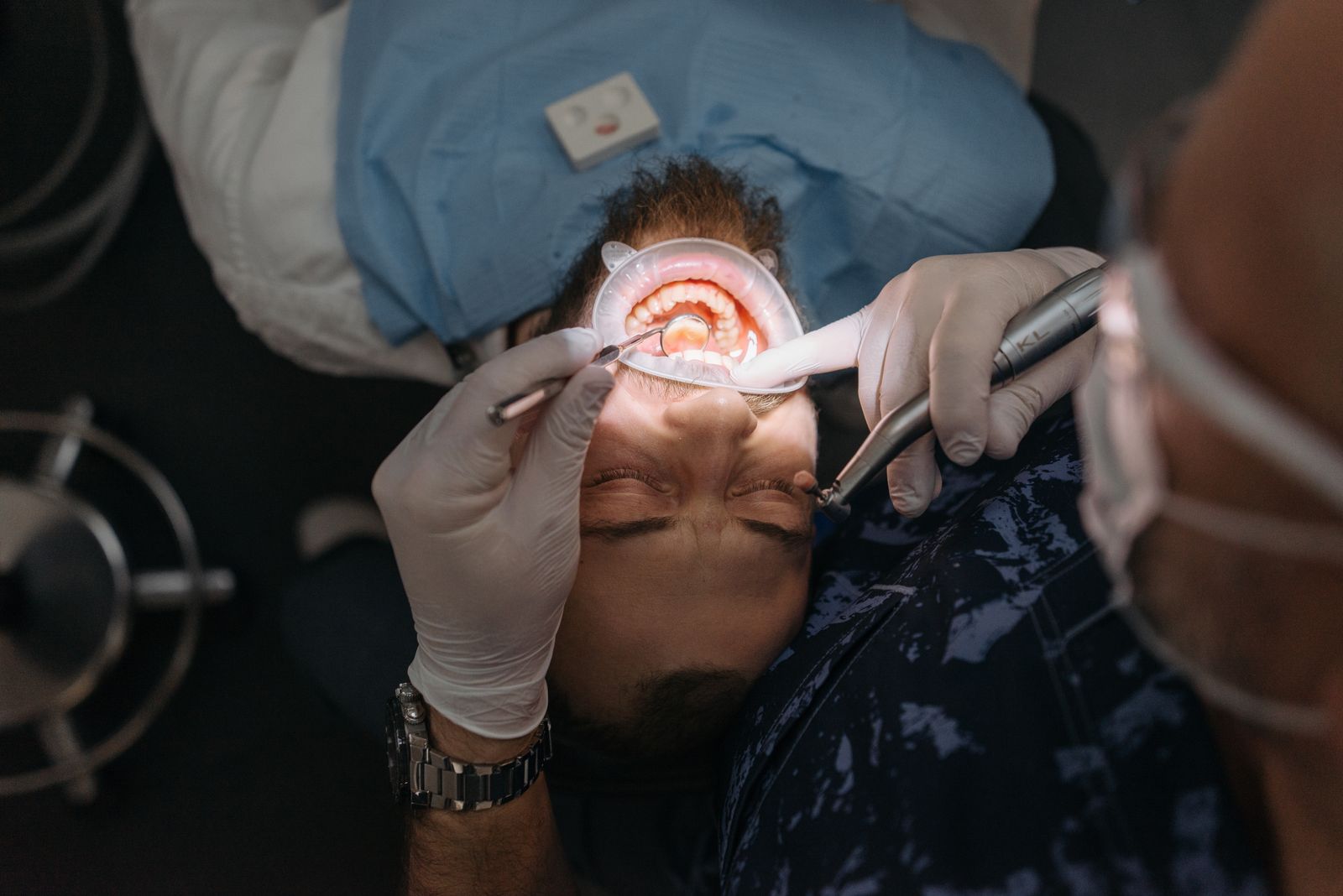
Photo by Pavel Danilyuk via Pexels
What Actually Decides Between the Two
Every tooth has a nerve running down the middle of it, inside a space called the pulp. A cavity starts on the outside as decay and works its way inward. As long as it stays in the hard outer layers, the nerve is unbothered and the fix is a filling, deep or otherwise. The dentist cleans out the decay and fills the hole.
The line gets crossed when the decay reaches the pulp. Bacteria irritate the nerve, and at some point the inflammation passes the stage where it can calm back down. That point is what separates a deep filling from a root canal. Below the line, the nerve recovers and a filling holds. Above it, the nerve is dying or infected, and only a root canal clears the source. Nobody can see that line with the naked eye, which is why the decision rests on your symptoms and an X-ray, not on the size of the hole alone.
When a Deep Cavity Still Only Needs a Filling
A deep cavity that has not reached the nerve, or has only briefly annoyed it, is usually a filling. The signs that point this way:
- Sensitivity to cold or sweet that is sharp but fades within a few seconds once the trigger is gone.
- No pain that comes on by itself, out of nowhere.
- No pain that wakes you at night.
- The tooth is not tender to bite on, or only slightly.
- The X-ray shows the decay close to the pulp but not clearly into it.
A short jolt of cold sensitivity that settles quickly is a nerve that is irritated but still healthy. That is the classic picture of a tooth a deep filling can save. What a filling itself involves is covered in our guide to what a dental filling is.
When a Deep Cavity Needs a Root Canal
Once the nerve is inflamed beyond recovery or infected, no filling will settle it. The signs the decay has crossed the line:
- Pain that lingers for minutes after something hot or cold, rather than fading in seconds.
- Pain that starts on its own, with no trigger, especially a throbbing ache.
- Pain that wakes you at night or keeps you awake.
- The tooth is sore to bite or press on. Our guide to tooth pain when biting down goes into why.
- A pimple or bump on the gum near the tooth, or a bad taste that keeps returning.
- Swelling of the gum, cheek, or face on that side.
Any one of those points to a nerve that is dying or already dead. At that stage a filling only traps the infection in, and the pain and swelling come back. The tooth needs its infected nerve cleaned out and the canals sealed, which is what a root canal does. Sometimes the nerve dies quietly and the pain fades on its own, which people mistake for the problem resolving. It has not. Our guide on what happens if you leave it untreated covers where that leads.
The Grey Zone: When the Dentist Waits to See
Plenty of teeth sit right on the line, and no honest dentist pretends otherwise. When a cavity is deep but the nerve still seems alive, the sensible move is often to place the deep filling and see how the tooth settles over the next weeks. If the nerve was only irritated, it calms down and the filling holds for years. If it was already too far gone, the symptoms carry on and the tooth then gets a root canal.
That is not the dentist getting it wrong. It is the tooth telling us which side of the line it was on, which it will not always reveal in advance. A deep filling given this way is a fair first try on a tooth that might just make it, rather than jumping straight to a root canal on a nerve that might have recovered. What it means for you is that a deep filling occasionally turns into a root canal later, and being told that upfront is a good sign, not a bad one. If pain lingers after a new filling, our guide on pain after a filling explains what is normal and what is not.
Why the Smaller Treatment Isn't Always the Cheaper One
It is natural to push for the filling. It is quicker, cheaper, and less daunting than a root canal, so when there is a choice, most people want the smaller job. Fair enough. But when the nerve is already past saving, choosing the filling anyway does not save money, it just delays the root canal and adds a wasted filling to the bill.
Waiting to see whether a deep cavity settles is reasonable when the nerve might still recover. Waiting once the tooth is throbbing, keeping you up at night, or swelling the gum is a different thing, and it usually turns a straightforward root canal into a bigger job, sometimes an extraction. The cheaper path is matching the treatment to what the nerve actually needs, not to what you would prefer it needed.
When to Get a Deep Cavity Seen
A deep cavity does not have to be an emergency, but it is worth having looked at before it decides the matter for you. Book promptly if you have a large cavity, a tooth that has gone sensitive, or a filling that has broken down, even if it is not yet painful. Catching it while the nerve is still healthy is what keeps the choice open.
Call the same day if any of these show up:
- Throbbing or spontaneous pain, or pain that wakes you at night.
- Pain that lingers long after hot or cold.
- A tooth that is sore to bite on.
- A bump on the gum, a bad taste, or swelling of the gum or cheek.
What is not a dental appointment at all: swelling spreading toward your eye or down your neck, a fever with a swollen face, or any trouble breathing or swallowing. Go straight to a hospital emergency room, because a spreading infection is dangerous whatever tooth started it. Our guide to when a toothache is a real emergency helps you tell the two apart.
If you have a deep cavity, a sensitive tooth, or you have been told you might need a root canal, call or WhatsApp 055-985-8845 and we will tell you honestly which one the tooth needs. We are in Ramat Beit Shemesh, open Sunday to Thursday 8:00 AM to 8:00 PM and Friday 9:00 AM to 5:00 PM, with after-hours emergency treatment outside those hours. Our root canal treatment page explains how the treatment works if it comes to that.
For guidance from sources with nothing to sell, the ADA's MouthHealthy explains what dental fillings are and when they are used, and the American Association of Endodontists covers when a tooth needs root canal treatment instead.
Common questions
How do I know if I need a filling or a root canal?
Can a deep filling avoid a root canal?
Will a deep filling hurt the nerve?
Why might a deep filling turn into a root canal later?
Is it cheaper to get a filling instead of a root canal?
When is a deep cavity a dental emergency?
Still not sure? Message us.
Send Dr. Gabriel Joel, DMD a quick description of what's going on and we'll point you in the right direction.
Message on WhatsAppDentist in Beit Shemesh — our dental clinic