
Tooth Pain When Biting Down: Causes and What to Do
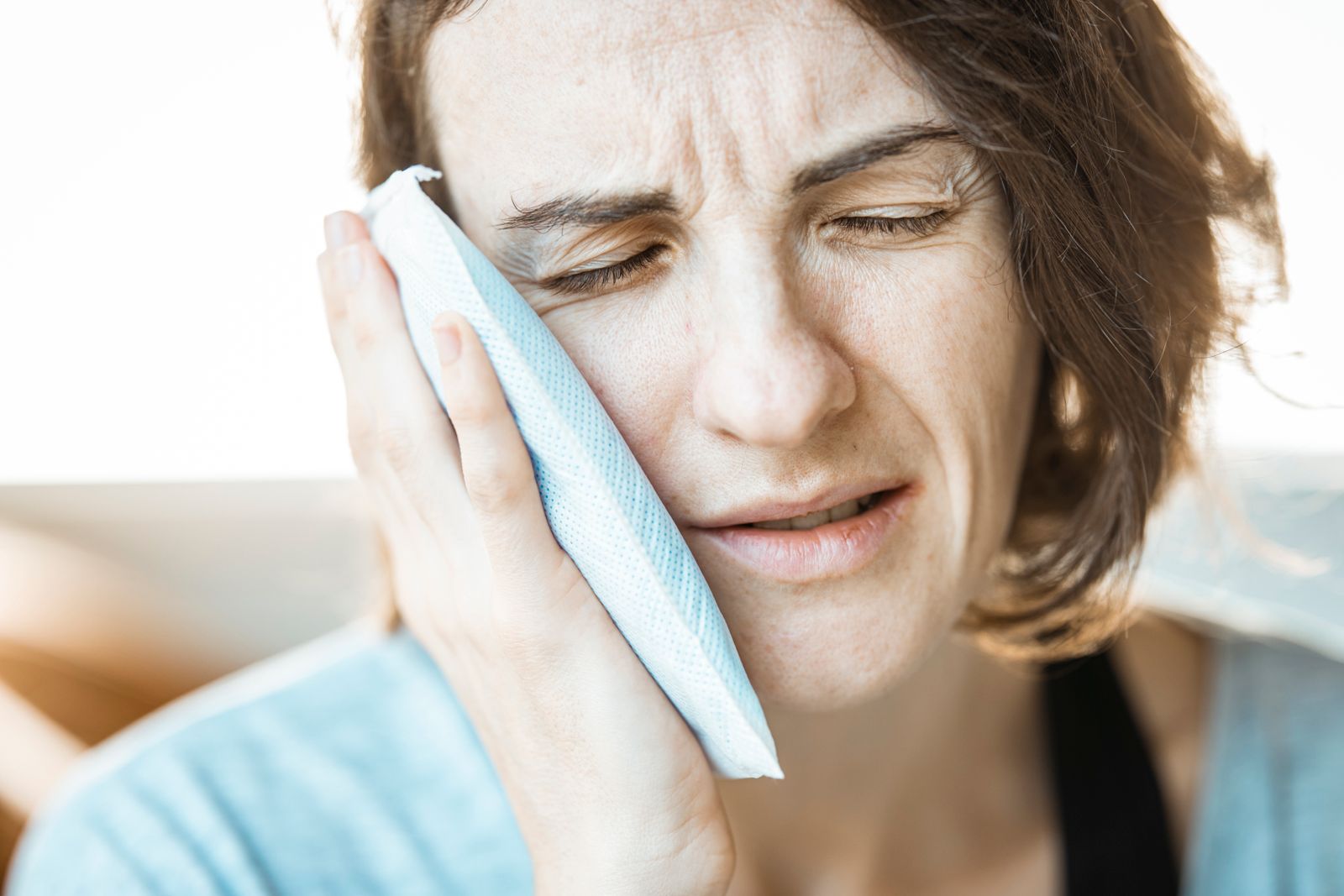
Photo by Engin Akyurt via Pexels
Why a Tooth Hurts Only When You Bite
Biting loads a tooth with more force than almost anything else you do to it. That force is the test. A tooth can look and feel fine at rest and still hurt the moment you put weight on it, because the problem only shows itself under pressure.
There are two broad reasons for it. Either something is wrong inside the tooth or the tissue around its root, and the pressure squeezes on it, or the way the tooth meets its neighbour is off, so it takes more force than it should every time your teeth touch. Working out which one you have is mostly a matter of noticing when the pain comes and how long it hangs around.
The Common Causes of Pain When Biting
Most biting pain comes down to one of these.
- A cracked tooth. A crack you often can't see gives a sharp pain when you bite, and classically a second jolt as you release, when the two sides of the crack move against each other. A cracked tooth is the most common reason a tooth hurts on biting but feels normal otherwise.
- A filling or crown that sits too high. After new dental work, a filling or crown a fraction proud of the bite takes the first hit every time your teeth close. The tooth is sore because it's being overloaded, not because anything is wrong inside it, and it's an easy adjustment. Pain after a filling covers this in full.
- Decay that has reached the nerve. A deep cavity lets bacteria near the pulp (the nerve inside the tooth). Once the nerve is inflamed, pressure on the tooth becomes painful, and the ache tends to linger after you stop biting.
- An infection at the root. When the nerve has died and an abscess is forming at the root tip, the tooth often becomes tender to any pressure, sometimes feels slightly raised, and may come with swelling or a bad taste.
- A loose or failing filling. An old filling that has come loose can move under bite pressure and press on the tooth beneath it.
Grinding and clenching can also leave teeth sore to bite on for a while, usually several teeth at once rather than one, and often worse first thing in the morning.
What the Kind of Pain Tells You
The pattern of the pain is a decent clue to what's behind it.
- A sharp jab as you release the bite is the signature of a crack.
- Pain only when teeth first touch, soon after dental work, usually means a filling or crown that needs lowering.
- A throb that lingers after you stop biting suggests the nerve is involved, which often points toward a root canal.
- Deep, constant tenderness to any pressure, with swelling or a raised feeling, points to infection at the root.
These overlap, and a symptom list is not a diagnosis. A crack and an early abscess can feel similar for a day or two. What settles it is a look at the tooth and usually an X-ray, which shows what's happening below the gum where you can't feel it. The symptoms that mean a tooth needs a root canal go into the nerve side of this in more detail.
What You Can Do Right Now
None of this fixes the cause, but it keeps you comfortable until the tooth is looked at.
- Chew on the other side. Keep pressure off the sore tooth so you're not aggravating a crack or an inflamed nerve.
- Stick to softer food and skip anything hard, crunchy, or chewy on that side for now.
- An over-the-counter painkiller taken as directed on the packet takes the edge off. If you're not sure what's right for you, ask a pharmacist.
- Go easy on very hot and very cold food, which tends to set off an irritated nerve.
What none of this does is heal a crack or clear an infection. A cracked tooth caught early can often be saved with a crown that holds it together; the same tooth left until the crack runs deeper can end up needing a root canal or coming out. Waiting to see whether it settles is usually the more expensive choice, because it narrows what's still possible to do.
When to Get Seen, and When It's the Hospital
Book to have the tooth looked at if the pain lasts more than a day or two, keeps coming back when you bite, wakes you at night, or comes with swelling. Biting pain rarely fixes itself, and the causes behind it, a crack, decay, or infection, all get worse with time rather than better.
Some things are past a dental appointment and belong in a hospital emergency room instead. Go straight to the ER if you have swelling spreading toward your eye or down your neck, a fever alongside facial swelling, or any trouble breathing or swallowing. Those are signs an infection is moving into spaces where it becomes dangerous, and that needs a hospital, not a dental chair.
And if it's a mild, brief twinge that came once and settled, it's reasonable to keep an eye on it and mention it at your next routine visit rather than treat it as urgent. Not every ache is an emergency. The ones worth acting on are the ones that persist, worsen, or bring swelling with them.
If a tooth hurts when you bite down and it isn't settling, get it looked at before a small crack turns into a lost tooth. Call or message us on WhatsApp at 055-985-8845. We're open Sunday to Thursday 8:00 AM to 8:00 PM and Friday 9:00 AM to 5:00 PM, with after-hours emergency treatment outside those hours, and we handle emergency dental care and root canal treatment in Ramat Beit Shemesh. We'll put the X-ray on the screen and tell you honestly what's causing it and what it needs.
For background from sources with nothing to sell, the ADA's MouthHealthy explains what causes a toothache and when to see a dentist, and the American Association of Endodontists covers the different kinds of cracked teeth and how they're treated.
Common questions
Why does my tooth hurt when I bite down?
Can a cracked tooth heal on its own?
My filling is new and hurts when I bite. Is that normal?
Does pain when biting always mean I need a root canal?
How can I stop tooth pain when chewing at home?
When is tooth pain when biting an emergency?
Still not sure? Message us.
Send Dr. Gabriel Joel, DMD a quick description of what's going on and we'll point you in the right direction.
Message on WhatsAppDentist in Beit Shemesh — our dental clinic