
Dental Filling: What to Expect and How Long It Lasts
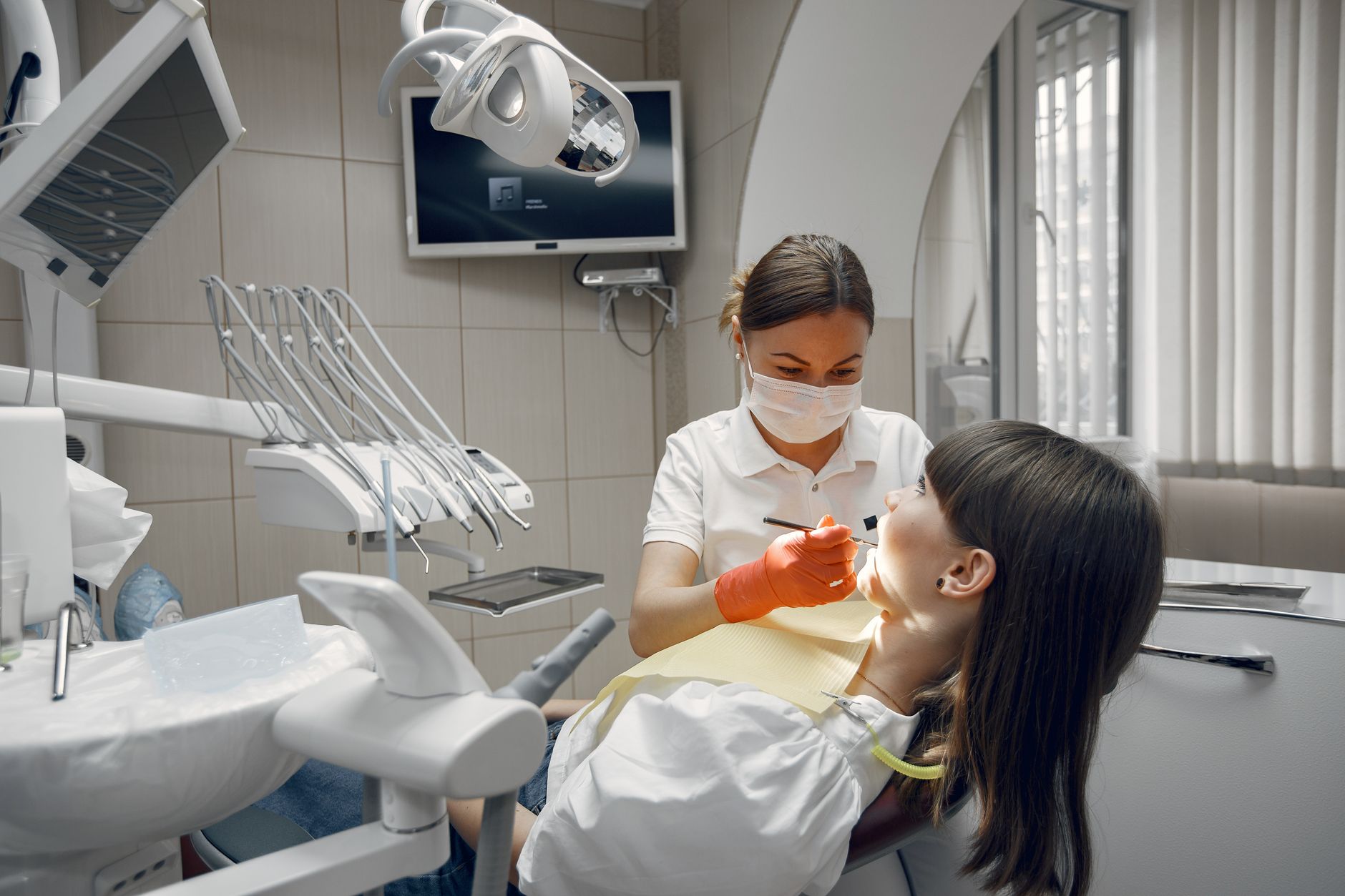
Photo by Gustavo Fring via Pexels
What a Dental Filling Actually Does
A cavity is a hole in the tooth where decay has eaten through the hard outer layer. Left alone it only gets bigger, working its way toward the nerve in the middle. A filling stops that. The dentist removes the decayed part, cleans out the bacteria, and fills the space with a solid material that seals the tooth and restores its shape.
The point isn't cosmetic. A filled tooth can take the force of chewing again, and sealing the cavity keeps decay from reaching the nerve, which is what turns a simple filling into a root canal. Catching a cavity while it's still small is the difference between a fifteen-minute appointment and a much bigger one.
Types of Filling, and Which One You Get
Two materials cover almost every filling done today:
- Composite (white) fillings. A tooth-coloured resin bonded into the tooth. It matches the tooth, so it's the standard choice for teeth that show and for most back teeth now too. This is what most people get.
- Amalgam (silver) fillings. The older metal filling. It's hard-wearing and cheaper, but it's grey and doesn't bond to the tooth the way composite does. Fewer dentists place them now, though millions of older ones are still doing their job.
There are others for specific situations, such as gold or ceramic for a large cavity, but for a routine cavity the real choice is usually composite. Which one fits your tooth depends on where the cavity is, how big it is, and how much of the tooth is left, and that's decided looking at the tooth and an X-ray, not in advance.
What Getting a Filling Is Like
Most fillings are one visit, start to finish, and often under half an hour. The dentist numbs the tooth first, so the part people dread, the drilling, is felt as pressure and vibration rather than sharp pain. If you can feel a sharp edge at any point, more anesthetic goes in before anything continues.
Once the tooth is numb, the decay is cleared, the space is cleaned, and the filling is placed and shaped to match your bite. A white filling is set hard with a bright light before you leave, so there's nothing to wait for; you can eat once the numbness wears off. Some tenderness or cold sensitivity for a few days afterward is normal and settles on its own. If a filled tooth stays sore or the pain gets worse rather than better, that's worth a look, and what pain after a filling means covers when it's normal healing and when it isn't.
How Long a Filling Lasts
A well-placed filling lasts many years, and plenty go a decade or more. No filling is permanent, though. It sits in a tooth that chews, grinds, and gets exposed to sugar and acid every day, so eventually the edge can wear, chip, or let a new cavity start underneath.
What decides the lifespan is mostly ordinary care: brushing, flossing, and check-ups that catch a worn edge before decay creeps back in. A large filling in a heavily-used back tooth works harder than a small one in a tooth that barely chews, so bigger fillings tend to need replacing sooner. When a filling finally gives out it's usually replaced with another filling, or with a crown if too little tooth is left to hold one.
When a Tooth Needs More Than a Filling
A filling works when there's enough healthy tooth left to build on and the decay hasn't reached the nerve. Past that point, a filling isn't the fix.
If decay or a crack has reached the nerve, the tooth usually needs a root canal to clear the infection before it can be restored. How a dentist tells a fillable tooth from one that needs more covers where that line sits, and how a tooth infection is treated explains why a filling can't seal an infection in. A tooth that's cracked or badly broken often needs more than a filling too; what a cracked tooth means and how a broken tooth gets repaired walk through those. This is also where waiting costs you: putting off a small cavity is usually the more expensive choice, because the filling that would have fixed it can turn into a root canal and a crown by the time the tooth starts to throb.
When to Come In, and When It Can Wait
A cavity caught early often has no symptoms at all, which is the whole point of routine check-ups; a filling is easiest when the tooth doesn't hurt yet. If you can see a dark spot or a hole, or a tooth catches food and feels rough, book a normal appointment. It isn't an emergency, but it won't fix itself.
Come in sooner if a tooth has started to ache, twinges sharply with sweet, cold, or hot, or a filling has fallen out and left a sensitive gap. Pain that keeps you up at night is a sign the decay may be near the nerve, and that's better seen quickly; why a toothache flares at night covers why. The one thing that isn't a dental appointment at all: swelling spreading toward your eye or down your neck, a fever with facial swelling, or any trouble breathing or swallowing. That's a hospital emergency room, not a dental chair. Go straight to the ER.
If a tooth has a cavity, a lost filling, or pain you're not sure about, get it looked at before it grows. Call or message us on WhatsApp at 055-985-8845. We're open Sunday to Thursday 8:00 AM to 8:00 PM and Friday 9:00 AM to 5:00 PM, with after-hours emergency treatment outside those hours, and we handle emergency dental care and root canal treatment in Ramat Beit Shemesh when a tooth needs more than a filling. We'll show you on the X-ray what the tooth needs and tell you honestly which.
For background from sources with nothing to sell, the ADA's MouthHealthy explains what dental fillings are and the materials used, and covers how tooth decay forms and how to prevent it.
Common questions
Does getting a dental filling hurt?
How long does a filling take?
What are dental fillings made of?
How long do dental fillings last?
Can I eat after getting a filling?
Why is my tooth sensitive after a filling?
What happens if you don't fill a cavity?
Still not sure? Message us.
Send Dr. Gabriel Joel, DMD a quick description of what's going on and we'll point you in the right direction.
Message on WhatsAppDentist in Beit Shemesh — our dental clinic