
Root Canal Procedure: What to Expect, Step by Step
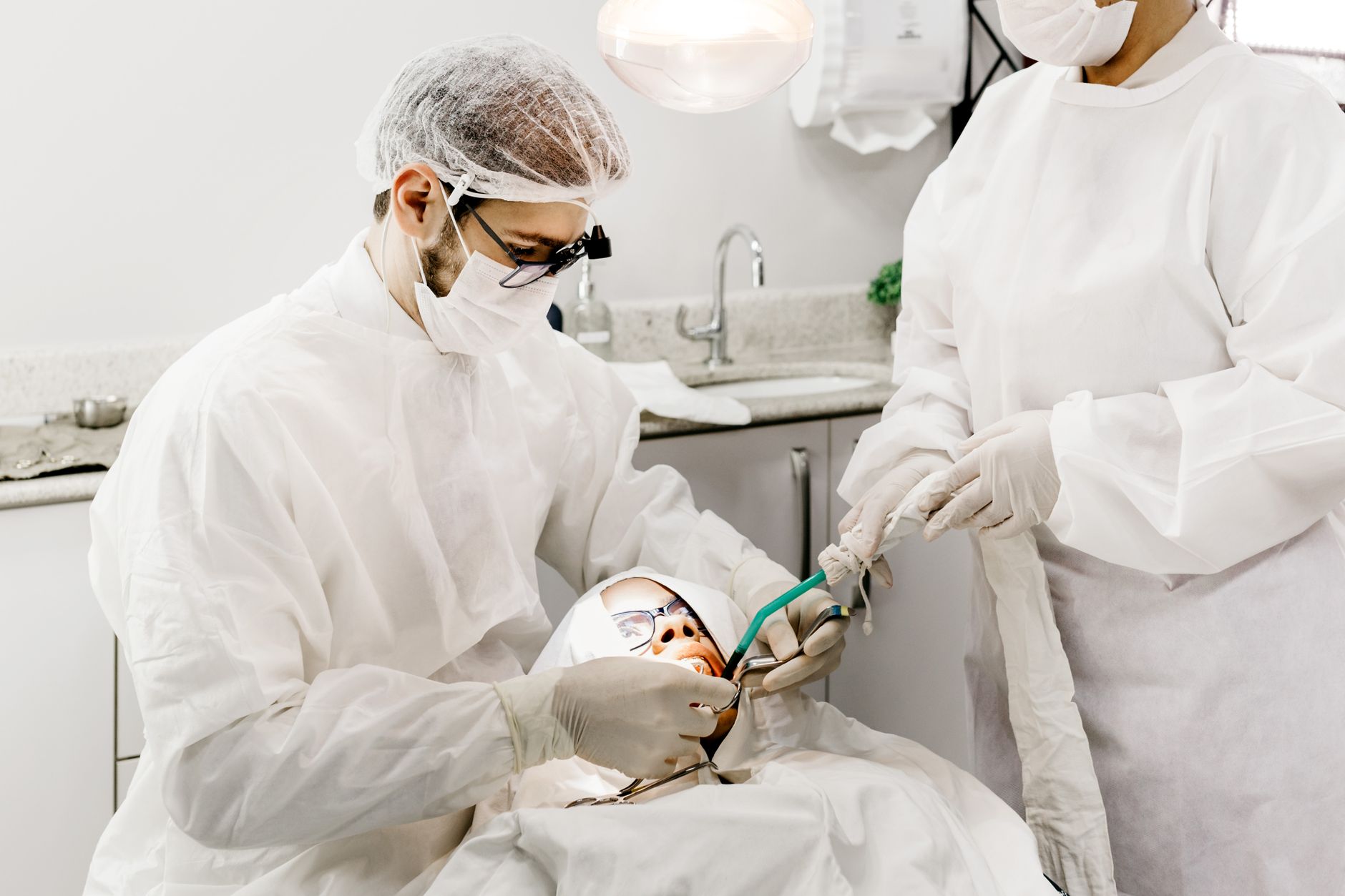
Photo by Jonathan Borba via Pexels
Getting Numb, and the Rubber Dam
Before anything is done to the tooth, the area is fully numbed with local anaesthetic. The part most people dread is the injection, and the honest truth is that it's the technique, not the needle itself, that decides whether it hurts. Most of the dread patients bring in is about an old experience, not this one. Your dentist will wait until the tooth and gum are properly numb before starting, and if you can still feel anything sharp, say so; more anaesthetic is easy to add.
Once you're numb, a thin sheet of rubber called a rubber dam is stretched over the tooth on a small frame. It looks stranger than it feels. Its job is to keep the tooth dry and clean and to stop the tiny instruments and rinsing solutions from bothering the rest of your mouth. You can still swallow normally, and it's often the point where people relax, because it means the fiddly part is being kept well away from your tongue.
Step by Step: What Happens to the Tooth
With the tooth numb and isolated, the treatment itself follows the same handful of steps whichever tooth it is:
- Opening the tooth. A small access hole is made in the top, or the back on a front tooth, to reach the pulp chamber inside.
- Clearing the pulp. The infected or dead pulp is removed from the crown of the tooth and from each canal running down the roots.
- Cleaning and shaping. Fine instruments and a disinfecting rinse clean the length of every canal and shape it so it can be sealed. This is the slow, careful part, and it's most of the appointment.
- Sealing the canals. The cleaned canals are filled with a rubbery material called gutta-percha and a sealer, so nothing can re-enter and start a new infection.
- Closing the top. A filling closes the access hole. On a back tooth this is usually temporary, because a crown comes next to protect it.
An X-ray is usually taken along the way to check the canals are cleaned and sealed all the way to the tip of the root. If you want the fuller overview of the treatment beyond the appointment itself, what to expect from a root canal covers it, and the American Association of Endodontists sets out how the treatment works.
What You'll Feel, Hear, and Smell
Numb, you'll feel pressure and movement, but not pain. There's the familiar whirr of the drill for the first minute or two while the tooth is opened, then mostly quiet, careful work with small hand instruments. You may notice a faint smell from the disinfecting rinse, and the assistant will use suction to keep your mouth dry and comfortable. None of it is the ordeal the reputation suggests. The phrase "I'd rather have a root canal" has outlived the dentistry it was based on.
For what it's worth, people tend to brace for the worst here and get less than they feared. One patient of ours had a root canal and asked us to pass on her thanks afterward; her own mother, a dentist, saw the photos from the treatment and was impressed with the work. If you're anxious about the pain specifically, whether a root canal is actually painful goes into it properly.
One Visit or Two?
Some root canals are finished in a single visit; others are split across two, with a temporary filling in between. Which one you need isn't about the dentist being slow; it depends on the tooth. A straightforward front tooth with one canal is often done in one go. A back molar with three or four narrow canals, or a tooth with a stubborn infection that needs a dressing of medication left inside to settle, is more likely to take two.
Each visit tends to run about 60 to 90 minutes. If you're trying to plan the day around it, how long a root canal takes breaks the timing down, and whether a root canal will affect your work schedule covers what to expect afterward.
Right After the Appointment
You'll be numb for a couple of hours, so wait until the feeling comes back before eating, and chew on the other side until the tooth is properly restored. It's normal for the tooth to feel tender for a few days, especially when you bite on it. That's the ligament around the root settling, not a sign anything went wrong, and an over-the-counter pain reliever handles it in most cases.
What isn't normal is severe pain, swelling, or the temporary filling coming out, and those are worth a call rather than a wait. The recovery time after a root canal lays out what's normal and what isn't. The ADA's MouthHealthy also explains what to expect from root canal treatment from a source with nothing to sell.
When You Might Not Need One at All
Not every sensitive or sore tooth needs a root canal, and it's worth saying so plainly. A tooth that twinges with cold but settles again within a few seconds often has a reversible problem (a small cavity, an exposed root, a cracked filling) that a simpler treatment can fix. A root canal is for a nerve that's genuinely infected or dying, not for every ache.
The only way to know which you've got is an examination and usually an X-ray, so if you're unsure, get it looked at before assuming the worst. Where the tooth really is beyond saving, a root canal isn't always the answer either; root canal versus extraction walks through when keeping the tooth makes sense and when it doesn't.
If you've got a tooth that's keeping you up and you want to know whether a root canal is what it needs, call or message us on WhatsApp at 055-985-8845. We're open Sunday to Thursday 8:00 AM to 8:00 PM and Friday 9:00 AM to 5:00 PM, with after-hours emergency treatment outside those hours, at our emergency clinic in Ramat Beit Shemesh. We'll examine the tooth, explain what we find, and tell you honestly what it needs.
Common questions
Does a root canal hurt during the procedure?
How long does a root canal procedure take?
Why is a rubber dam used during a root canal?
Will I need a crown after the root canal?
What should I expect right after a root canal?
Still not sure? Message us.
Send Dr. Gabriel Joel, DMD a quick description of what's going on and we'll point you in the right direction.
Message on WhatsAppDentist in Beit Shemesh — our dental clinic