
Do You Need a Crown After a Root Canal? A Clear Answer
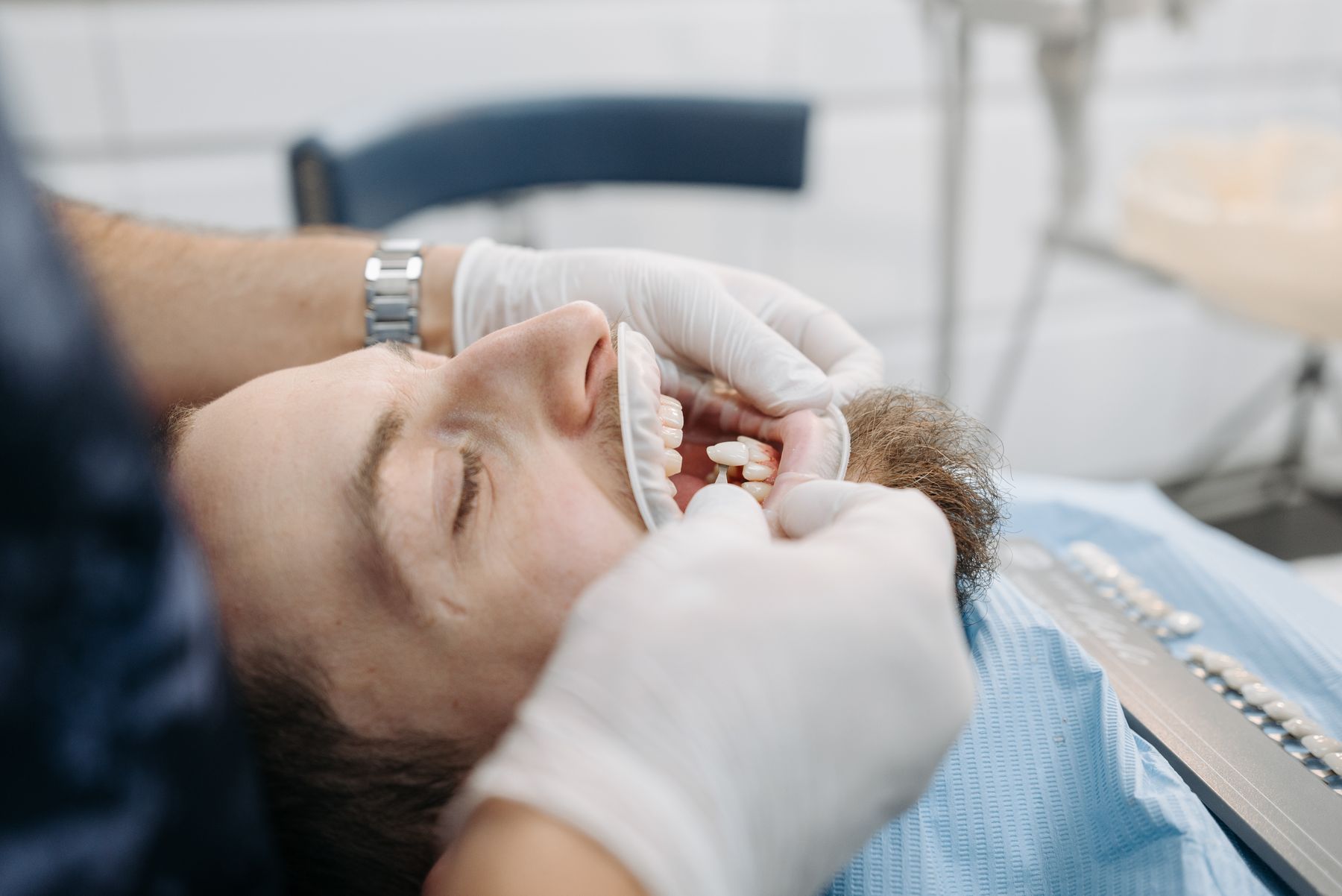
Photo by Pavel Danilyuk via Pexels
Why a root canal makes a tooth need a crown
A root canal takes out the nerve and the blood supply from inside the tooth. The tooth stays firmly in place, held by the ligament around its root, but without that internal blood supply it slowly becomes more brittle than a living tooth. Over the years that makes it easier to crack.
There is a second reason, and it is usually the bigger one. To reach the canals, the dentist opens a hole through the top of the tooth, and most teeth that need a root canal were already broken down by decay or carrying a large old filling before treatment even started. So there is less solid tooth left than you might think. A crown wraps the whole thing like a helmet and spreads the force of a bite across it, so a weakened tooth does not split the first time you bite something hard. None of this changes what happens during the root canal itself — the crown is the step that protects the result afterward.
Which teeth need a crown, and which usually don't
Position in the mouth is the quickest guide, though it is not the whole story:
- Back molars — almost always. They do the grinding, take the most force, and usually have the least healthy tooth left after treatment. A crown here is standard, not an upsell.
- Premolars — usually. They chew too and tend to be narrower, which makes them prone to splitting down the middle. Most get a crown.
- Front teeth and canines — often not. They bite rather than grind, the access hole is small, and if the walls are intact a filling can be enough. Sometimes a front tooth is crowned for appearance, because a treated front tooth can darken over time, rather than for strength.
The real decider is how much solid tooth is left after the decay and old filling are cleared out, not just where the tooth sits. A dentist can only judge that once the tooth is opened and X-rayed.
What happens if you skip the crown
Leaving a back tooth root-canalled but never crowned is one of the most common ways the whole thing fails. The tooth can crack under an ordinary bite, and if the crack runs down below the gum, the tooth often cannot be saved at all. That turns a fixable tooth into an extraction, and trades the price of a crown for the far larger cost of an implant or bridge later.
Skipping or badly delaying the crown also lets bacteria leak back in around the temporary filling, and the infection can return even when the canal work was done perfectly. That is one of the reasons a treatment ends up looking like an incomplete root canal when the real problem was a missing crown. Waiting to see whether the tooth holds up on its own is usually the more expensive choice, not the cheaper one — the crown costs a fraction of losing the tooth.
When to get the crown
Not always the same day as the root canal. If the tooth was infected, the dentist may seal it with a temporary filling and let it settle for a week or two before fitting the crown, so the timing depends on the case. On a calmer tooth the crown can follow quickly.
What you should not do is leave it for months. A back tooth walking around under a temporary filling is exactly the tooth that cracks, so the sooner it is crowned once it has settled, the safer it is. A few weeks between the root canal and the crown is normal. A year is asking for a split.
What a crown adds to the cost
The crown is almost always a separate line from the root canal, and it is often the biggest single one. A badly broken-down tooth usually needs a build-up first — a post and core to rebuild enough structure for the crown to sit on — and that is another line again. So a quote for the root canal alone can look lower than the real cost of finishing the tooth.
There is no flat price, because it tracks the tooth and the material used, and the firm number comes from an exam and an X-ray rather than a phone call. The full breakdown of what a root canal costs walks through the root canal, the build-up, and the crown as separate pieces. At our clinic in Ramat Beit Shemesh the root canal, the build-up, and the crown are all done in one place, so you get one itemised quote instead of a referral and a second fee.
When it isn't us you need
If a dentist you trust has already crowned a treated tooth and it is comfortable, you do not need it redone just because you read this. A settled, crowned tooth is doing its job; leave it be. If a crowned tooth starts aching or the gum beside it swells, that is worth checking, because it can mean infection under the crown rather than a problem with the crown itself.
And some things belong in a hospital, not a dental chair. Facial swelling spreading toward your eye or down your neck, trouble breathing or swallowing, or a high fever with chills is a medical emergency — go to an emergency room now, not to us. For the ordinary case of a tooth that has had a root canal and needs protecting, a crown is what keeps it.
If you have had a root canal and want a straight answer on whether the tooth needs a crown, call or message us on WhatsApp at 055-985-8845. We are open Sunday to Thursday 8:00 AM to 8:00 PM and Friday 9:00 AM to 5:00 PM, with after-hours emergency treatment outside those hours. Come in for an exam and we will tell you plainly whether the tooth needs a crown, what it will cost, and when to have it done.
For background from sources that are not trying to sell you anything, the American Association of Endodontists explains the procedure on its page about root canal treatment, and the ADA's MouthHealthy has a plain overview of what a dental crown is.
Common questions
Do I really need a crown after a root canal?
What happens if I don't get a crown after a root canal?
How long after a root canal should I get the crown?
Do front teeth need a crown after a root canal?
Is the crown included in the price of the root canal?
Can I just get a filling instead of a crown?
Does getting a crown hurt?
Still not sure? Message us.
Send Dr. Gabriel Joel, DMD a quick description of what's going on and we'll point you in the right direction.
Message on WhatsAppDentist in Beit Shemesh — our dental clinic