
Infection in a Crowned Tooth: Signs, Causes, and Fixes
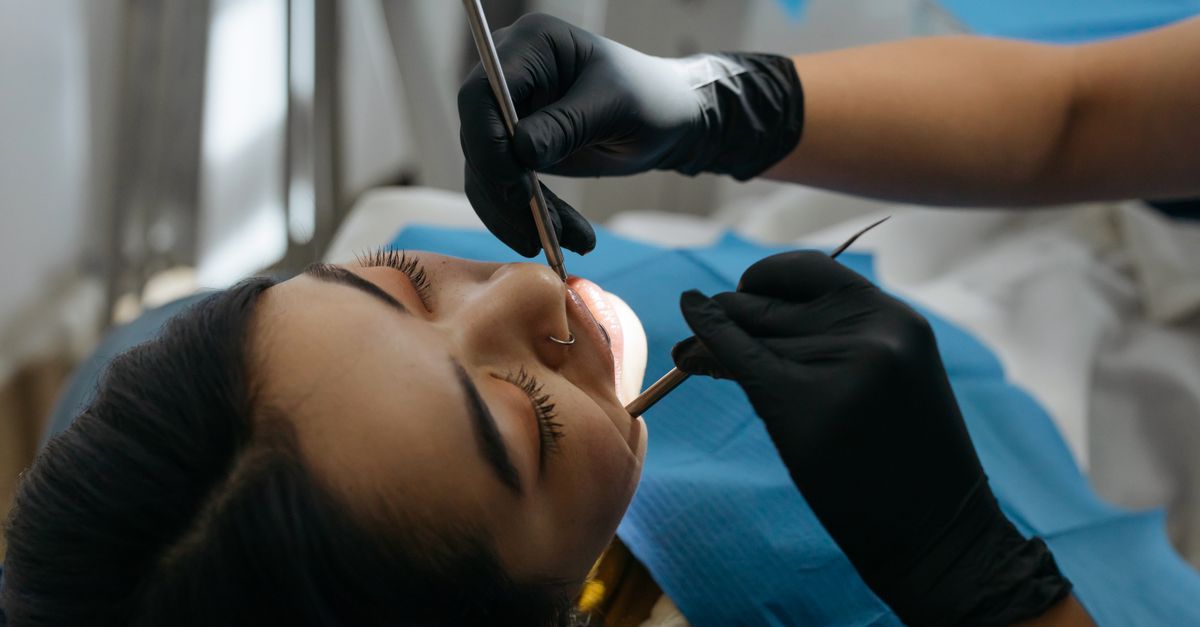
Photo by cottonbro studio via Pexels
Why a crowned tooth still gets infected
The crown covers the tooth, but bacteria reach the part that matters through the join where the crown meets the tooth, or through the root tip below the gum. A few things open that door:
- Decay at the crown margin. The line where the crown meets natural tooth is the weak point. If the cement seal loosens, or the gum recedes and exposes that edge, decay can start there and work inward toward the nerve.
- A nerve that was still alive. Not every crowned tooth has had a root canal. If a tooth was crowned with a living nerve and that nerve later dies or gets inflamed, it can abscess under an otherwise fine crown.
- A root canal that left something behind. If the tooth was root-treated before the crown went on, infection can flare at the root tip when a little of the original bacteria stayed or a canal was missed.
- A crack in the tooth underneath. A crack below the crown lets bacteria seep down into the tooth, and it does not show on the surface.
None of these are the porcelain's fault, which is why a crown that looks perfect can still sit over a tooth that is quietly infected.
The signs of infection under a crown
An infection under a crown shows up in the gum and the bite more than on the tooth surface, since the tooth itself is covered. The things to watch for:
- A dull, throbbing ache in one specific tooth, often worse at night or lying down
- Pain when you bite or press on the crowned tooth
- Swelling or tenderness in the gum right around the crown
- A small pimple-like bump on the gum near the tooth that may drain a salty, foul fluid
- A bad taste or smell that brushing does not fix
- A dark line or a gap opening up where the crown meets the gum
- Sensitivity to hot or cold that lingers, if the nerve is still alive
The bump on the gum is the sign people miss most. It can drain on its own and ease the pain for a day or two, which feels like the problem clearing up. It is not. That is a valve letting pressure out while the infection underneath stays put. The full list of tooth and gum infection symptoms goes through the ones that are easy to dismiss.
Does this mean the crown or the root canal failed?
Usually not. A cement seal giving way after years of chewing is wear, not a mistake, and a root canal that held for a decade before a new infection appeared did its job. A crowned tooth that gets infected is a tooth that needs checking, not proof that the earlier work was bad.
What it does mean is that guessing from the outside will not tell you what is going on. Two crowned teeth with the same ache can need very different things: one a small repair, the other a retreatment or an extraction. That is settled by an exam and an X-ray, because the X-ray shows what the crown hides, the root tip, the bone around it, and whether decay has undercut the tooth.
How we treat an infected crowned tooth
Start with what does not fix it. Antibiotics can settle the swelling and buy a few days, but the source is inside the tooth, so the infection comes back once the course ends. They support the treatment; they are not the treatment.
The actual fix depends on what the X-ray shows, and it is usually one of these:
- A root canal through the crown. If the tooth has a live or newly infected nerve, we can often treat it through a small access hole in the crown, then seal the hole. The crown stays.
- Retreatment. If the tooth was root-treated before, redoing the root canal clears the infection that came back. It is more work than a first-time root canal, but it usually saves the tooth. When retreatment is not realistic, root canal versus extraction walks through that call.
- A new crown. If decay has spread under the crown or the margin has broken down, the crown comes off, the tooth is rebuilt and treated, and a new crown goes on.
- Extraction. If the tooth underneath is cracked below the gum or too broken down to rebuild, no crown will hold it, and the honest answer is that it comes out.
Root canal treatment, retreatment, and crowns are all handled in-house at our clinic in Ramat Beit Shemesh, so you get the diagnosis and the fix in the same place rather than a referral and a second wait. How a tooth infection is treated in general, crown or not, is covered in tooth infection causes and treatment.
When to come in, and when not to bother us
Waiting to see whether an infection under a crown settles on its own is usually the more expensive choice, not the cheaper one. It does not drain away for good, and the delay tends to turn a tooth that could have been retreated into one that has to come out. That is the arithmetic of it, not a push to book.
Some of this is genuinely urgent, and some of it is not us at all. Go to a hospital, not a dentist, if you have swelling spreading toward your eye or down your neck, trouble breathing or swallowing, or a high fever with chills. A dental infection that reaches the airway is a medical emergency, and a clinic is the wrong place for it. If it is pain and local swelling without any of that, call us and come in the same day. Toothache versus dental emergency is the plainer version of where the line sits.
And if the crowned tooth is only mildly sensitive now and then, with no swelling and no ongoing pain, that is worth raising at your next routine visit rather than an after-hours call. If you already have a clear diagnosis and a plan from a dentist you trust, you do not need a second opinion from us to feel better about it.
If you have a crowned tooth that aches, swells, or has a bump on the gum beside it, call or message us on WhatsApp at 055-985-8845. We are open Sunday to Thursday 8:00 AM to 8:00 PM and Friday 9:00 AM to 5:00 PM, with after-hours emergency treatment available outside those hours. Tell us what is going on and we will tell you plainly whether it is a same-day visit or something that can wait.
For background from sources worth trusting, the ADA's MouthHealthy has a plain overview of dental abscess, and the American Association of Endodontists explains treating and retreating an infected tooth on its pages about root canal treatment and endodontic care.
Common questions
Can a crowned tooth get infected?
What does an infection under a crown feel like?
Does an infected crowned tooth mean the crown failed?
Can it be treated without removing the crown?
Will I need a new crown?
Will antibiotics clear an infection under a crown?
Can an infected crowned tooth always be saved?
Still not sure? Message us.
Send Dr. Gabriel Joel, DMD a quick description of what's going on and we'll point you in the right direction.
Message on WhatsAppDentist in Beit Shemesh — our dental clinic