How to Tell the Difference Between a Toothache and a Dental Emergency
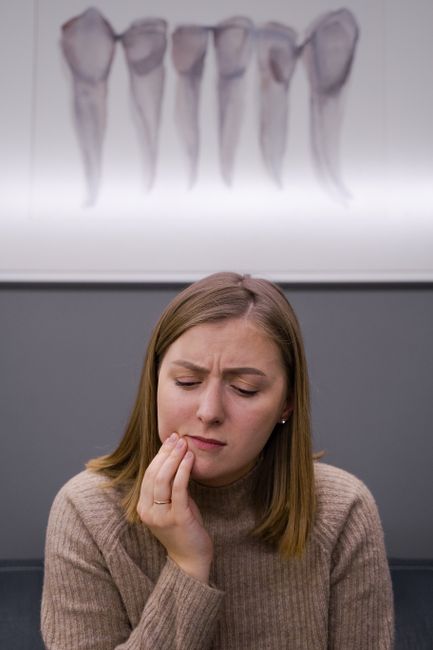
Photo by Pavel Danilyuk via Pexels
Likely a regular toothache
These can usually wait for a normal appointment rather than a same-day visit:
- Mild sensitivity to hot, cold, or sweets that comes and goes
- A small chip that isn't sharp or catching on your tongue
- Something stuck between your teeth that flossing clears
- Minor gum irritation without swelling
Photo by Andrea Piacquadio via Pexels
Likely an emergency
- Severe, constant, throbbing pain
- Visible swelling of the face or gums
- Fever along with tooth pain
- A tooth that's been knocked loose or out
- Pain that's getting rapidly worse
If a tooth has actually been knocked loose or out, the clock matters more than anything else. See how to save a knocked-out tooth rather than waiting to read the rest of this. For broader trauma (a fall, a blow to the face, anything beyond tooth pain), what to do in the first 10 minutes of a dental emergency covers the wider triage.
The general rule of thumb
Dental guidance generally points to treating anything that qualifies as an emergency within 24 hours of it starting, rather than waiting to see how the week goes. If you're unsure which category you're in, that uncertainty is itself a reason to call rather than wait it out.
Why waiting usually costs more, not less
Most people delay calling because they're hoping the pain resolves on its own. It almost never does. Waiting to see if it gets better is usually the more expensive choice, since a problem that's manageable today tends to need more extensive treatment, a root canal instead of a filling or an extraction instead of a root canal, by the time it finally forces the issue.
When in doubt, it's always safer to call. We'd rather take a quick look and tell you it can wait than have you sit in pain or risk an infection spreading. Same-day and after-hours appointments exist exactly for this kind of judgment call.
The ADA's guide to dental emergencies and its broader dental emergencies overview both walk through similar warning signs.
Still not sure? Message us.
Send Dr. Gabriel Joel, DMD a quick description of what's going on and we'll point you in the right direction.
Message on WhatsApp