
Can I Delay a Root Canal? How Long Is Safe to Wait
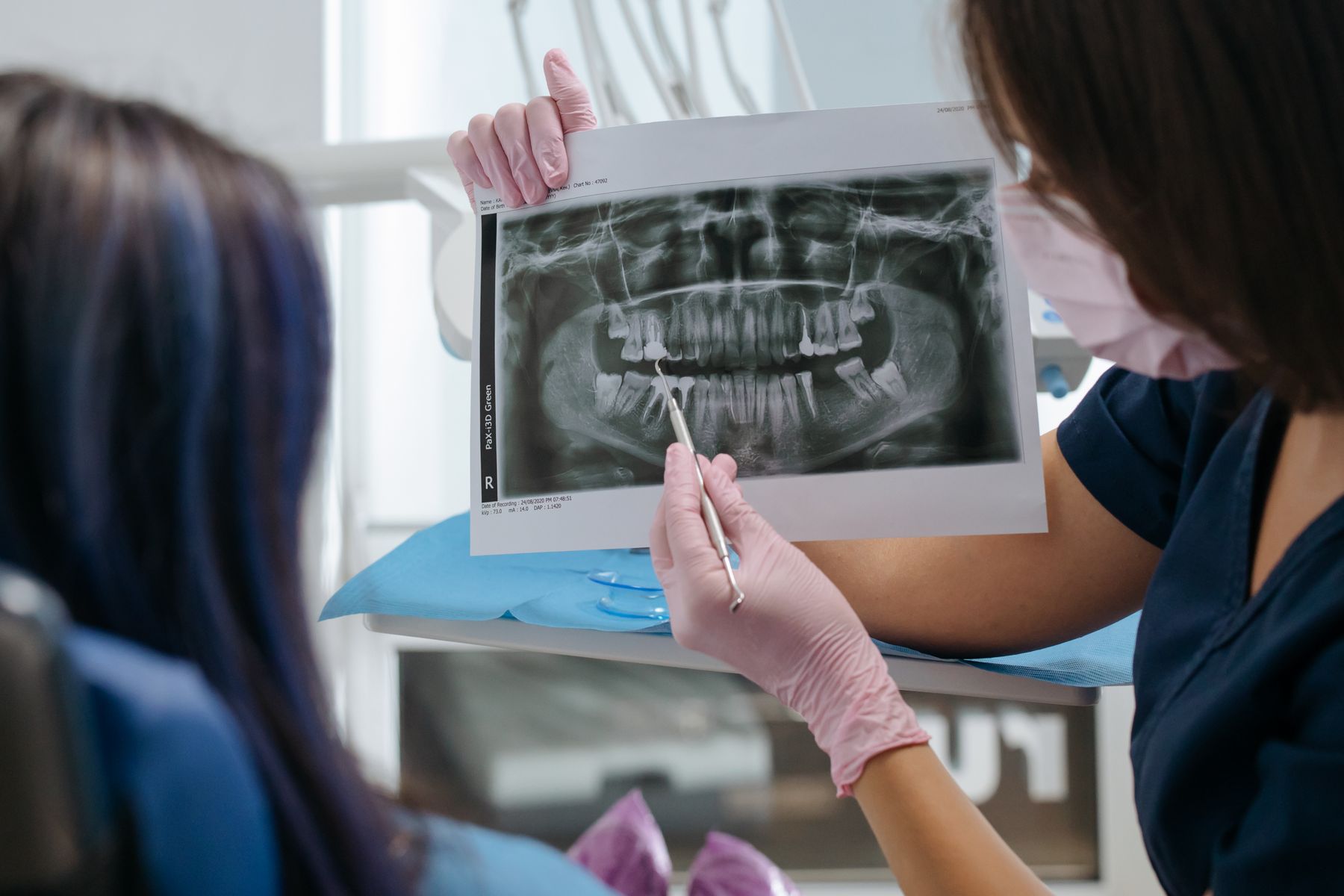
Photo by cottonbro studio via Pexels
The short answer: days are usually fine, weeks are not
A root canal is not always a same-hour emergency. If your dentist has already looked at the tooth, told you it needs one, and you are comfortable, waiting a week or two for a scheduled appointment is normal. The trouble starts when a week or two quietly becomes a few months, usually because the pain settled and life got busy.
There is no single safe window, because it depends on the tooth and how far the infection has spread. Treat the timeline your dentist gave you as the real deadline, not a rough suggestion. If they said come back within two weeks, they had a reason for the number.
Why the infection doesn't just go away
The pulp inside the tooth (the nerve and blood supply) is infected or dying. Your body cannot reach bacteria sealed inside a tooth the way it fights an infection in your skin or throat, because the blood flow that would carry your immune system in has been cut off. So the infection sits there and works its way out through the tip of the root into the bone around it, where it can form an abscess.
Antibiotics can quiet a flare-up for a while, but they do not cure it. The source is inside the tooth, and only cleaning out the canal removes it. This is the part people miss: feeling better is not the same as being better. What a tooth infection actually is and how it is treated goes through this in more detail.
When the pain stops, the part that fools people
This is where people get caught. A root canal often hurts most in the days before treatment, and then the pain fades on its own. That feels like the problem fixed itself. It usually means the opposite: the nerve has died, so it can no longer send a pain signal. The infection is still there and still spreading, you just cannot feel it anymore.
So a toothache that disappears is not always good news. A tooth that throbbed for days and then went quiet may be a nerve that has given out, not one that healed. If you are not sure which you are dealing with, telling an ordinary toothache from a real emergency is worth reading.
What delaying actually costs you
Putting off a root canal rarely saves anything. It usually moves the cost somewhere worse.
- The tooth itself. Caught early, an infected tooth can nearly always be saved with a root canal. Left long enough, the infection destroys too much of the tooth or the bone around it, and the only option left is to pull it, then pay to replace it with an implant or bridge.
- More money, not less. Waiting to see whether it settles is usually the more expensive choice, not the cheaper one. A root canal costs less than the extraction and implant that replace a tooth you waited too long to save. The honest breakdown of what a root canal costs puts real numbers on that.
- A bigger emergency. A contained infection can flare into facial swelling or a painful abscess, and in rare cases into something that spreads and needs hospital treatment.
Whether the tooth is even worth saving is its own question, and the first one to settle before you spend on anything: saving the tooth versus taking it out.
When a short delay is genuinely fine
Not every tooth is a five-alarm situation, and it is fair to ask. A short, planned wait is usually fine when all of these are true:
- A dentist has examined the tooth, confirmed it needs a root canal, and given you a window to come back.
- You have no pain, no swelling, and no fever, just a treatment already on the calendar.
- You need a few days to arrange time off work or sort out payment.
What is not fine is cancelling the appointment because the pain stopped, or pushing a confirmed root canal back for months. And a couple of situations can't wait at all.
When it can't wait, and when it belongs in a hospital
Some symptoms mean now, not next week, and a few mean the emergency room rather than a dental chair. Go to a hospital, not to us, if you have facial swelling spreading toward your eye or down your neck, trouble breathing or swallowing, or a high fever with chills. Those are signs the infection is spreading beyond the tooth, and that is a medical emergency.
Short of that, get seen as soon as you can if the pain is severe, the gum is swollen, or the tooth has broken. What to do in the first minutes of a dental emergency covers holding a tooth over until you are seen. For anything more routine, we keep same-day slots open every day at our clinic in Ramat Beit Shemesh.
If a tooth needs a root canal and you are not sure how long you can safely leave it, call or message us on WhatsApp at 055-985-8845. We are open Sunday to Thursday 8:00 AM to 8:00 PM and Friday 9:00 AM to 5:00 PM, with after-hours emergency treatment outside those hours. Come in for an exam and we will tell you plainly whether it can wait and what the tooth needs.
For background from sources that are not trying to sell you anything, the American Association of Endodontists explains the treatment on its page about root canal treatment, and the ADA's MouthHealthy has plain overviews of what a root canal involves and why a dental abscess needs treating.
Common questions
How long can I safely delay a root canal?
If the tooth pain goes away on its own, do I still need the root canal?
Can antibiotics let me put off a root canal?
What happens if I never get a root canal I need?
Does waiting make a root canal more expensive?
When is a delayed tooth infection an emergency?
Still not sure? Message us.
Send Dr. Gabriel Joel, DMD a quick description of what's going on and we'll point you in the right direction.
Message on WhatsAppDentist in Beit Shemesh — our dental clinic