
Do I Need a Crown or Just a Filling? How to Tell
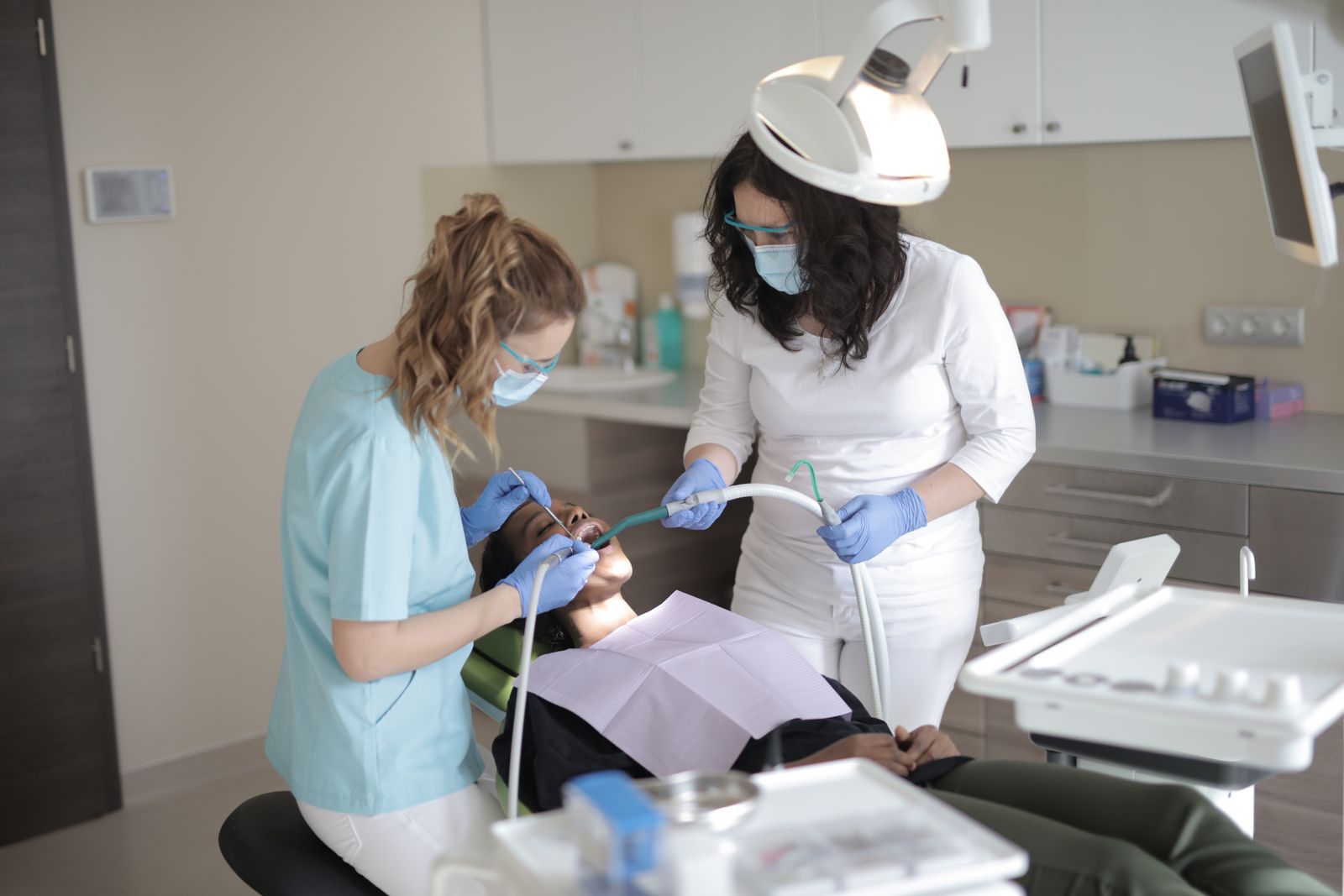
Photo by Andrea Piacquadio via Pexels
A Filling Fills a Hole, a Crown Wraps the Tooth
The two do genuinely different jobs, and once you see the difference the decision makes more sense. A filling replaces the part of the tooth that decay ate away. The dentist cleans out the soft, decayed tooth and packs the space with a material that bonds to what's left. It relies on the surrounding tooth for strength, so it needs healthy walls around it to hold up.
A crown doesn't fill a hole — it covers the whole biting surface and wraps down the sides, like a helmet over the tooth. That's what makes it strong enough for a tooth that's already weak. Instead of leaning on the remaining tooth for support, it holds the tooth together from the outside. That's the core of it: a filling needs a strong tooth to work, a crown makes a weak tooth strong.
How a Dentist Decides Between the Two
The line between a big filling and a crown isn't a single measurement, but a few things push the decision one way or the other:
- How much healthy tooth is left. This is the main one. A small to medium cavity with solid walls around it is a filling. Once decay or an old filling has taken out roughly half the tooth or more, a filling has too little to grip and a crown becomes the safer choice.
- Whether the tooth is cracked. A cracked tooth flexes when you bite, and a filling can't hold those pieces together — it can even split the crack wider. A crown clamps the whole tooth so it stops flexing.
- Where the tooth is. Back molars take the heaviest chewing force, so a large repair there is far more likely to need a crown than the same-sized repair on a tooth near the front.
- Whether it's had a root canal. A tooth that's had its nerve removed goes brittle over time, and a back tooth after a root canal usually needs a crown to stop it cracking. Our guide on whether you need a crown after a root canal covers this in full.
None of this is guesswork. It comes from looking at the tooth, checking how deep the decay runs on an X-ray, and seeing whether the walls that are left can actually carry a filling.
Signs You're Probably Heading for a Crown
You can't diagnose your own tooth from the mirror, but a few things make a crown more likely than a filling. If any of these sound like your tooth, don't be surprised when the dentist reaches for a crown:
- A large old filling that's now broken, leaking, or coming loose — replacing it often leaves too little tooth for another filling.
- A tooth that's cracked, or that gives you a sharp jolt when you bite down and let go.
- A chunk of tooth that has actually broken off.
- A tooth that's already had a root canal, especially a molar.
- Decay that has undermined a cusp — one of the raised points on a back tooth — so the wall is left thin and likely to snap.
On the flip side, a fresh cavity caught early, a chip in the enamel, or a small area of decay with the rest of the tooth intact is filling territory. Catching decay while it's still small is exactly how you keep a tooth in the filling category instead of the crown one.
When It Could Go Either Way
Plenty of teeth sit right on the border, and honest dentists will tell you when yours is one of them. Sometimes a large filling is worth trying first, with the understanding that if it fails or the tooth starts to crack, a crown is the next step. Sometimes the dentist can only tell once the old filling is out and they can see how much healthy tooth is actually underneath — a cavity can look small on the surface and turn out to have hollowed the tooth out beneath.
There are also newer options in between the two, like an inlay or onlay, which is a lab-made piece that covers more of the tooth than a filling but less than a full crown. If your tooth is a borderline case, it's fair to ask what the options are and what happens if the smaller repair doesn't hold. A dentist who only ever offers the most expensive option, or who can't explain why a filling wouldn't work on your particular tooth, is worth a second opinion.
Is a Crown Worth It Over a Cheaper Filling?
A crown costs more than a filling, so it's fair to ask whether it's really necessary or whether you're being upsold. The honest test is simple: would a filling actually last on this tooth? If there isn't enough solid tooth to hold one, a filling put in to save money tends to fail — it falls out, or worse, the weakened tooth cracks under it, and a crack that runs below the gum can cost you the whole tooth. At that point you're paying for the filling, then the crown, then possibly an extraction and a replacement.
Waiting to see whether a too-big filling holds up is usually the more expensive choice, not the cheaper one. That said, the reverse is also true — you shouldn't be crowned a tooth that a filling would have handled fine. The right answer is whichever one will actually last, and a dentist should be able to show you on the X-ray or the tooth itself why they're recommending one over the other. If cost is the real issue, say so; it's better to talk through the options before the work than to find out afterward.
Getting Seen in English in Beit Shemesh
If your Hebrew is fine for the shops but not for words like cusp, onlay, and crown prep, you can do the whole visit in English here. Dr. Joel trained and qualified in the United States, so hearing why your tooth needs a crown instead of a filling, seeing it on the X-ray, and asking whatever you actually want to ask all happen in a language you're comfortable in. When you're weighing a bill, understanding exactly what you're paying for is the least you should get.
We're in Ramat Beit Shemesh and see patients from across the wider area, not only local residents, and you don't need to be registered with us in advance.
If you've been told you need a crown and want to understand why, or a filling has broken and you're not sure what comes next, call or WhatsApp us at 055-985-8845 and send a photo if you can. We'll tell you what the tooth needs and give you the cost before anything starts, and if a filling would do the job we'll say so rather than reach for the crown. We're in Ramat Beit Shemesh, open Sunday to Thursday 8:00 AM to 8:00 PM and Friday 9:00 AM to 5:00 PM, with after-hours emergency treatment outside those hours. Our dental clinic, root canal, and emergency dentist pages explain how we handle visits.
For guidance from sources with nothing to sell, the ADA's MouthHealthy explains what a dental crown is and what a filling does, so you can read up on both before your visit.
Common questions
How do I know if I need a crown or a filling?
What is the difference between a crown and a filling?
Can a tooth have a filling instead of a crown to save money?
Does a cracked tooth always need a crown?
Will I always need a crown after a root canal?
Can the dentist tell before starting whether I need a crown or filling?
Still not sure? Message us.
Send Dr. Gabriel Joel, DMD a quick description of what's going on and we'll point you in the right direction.
Message on WhatsAppDentist in Beit Shemesh — our dental clinic