
Does Sensitivity Mean I Need a Root Canal? Usually Not
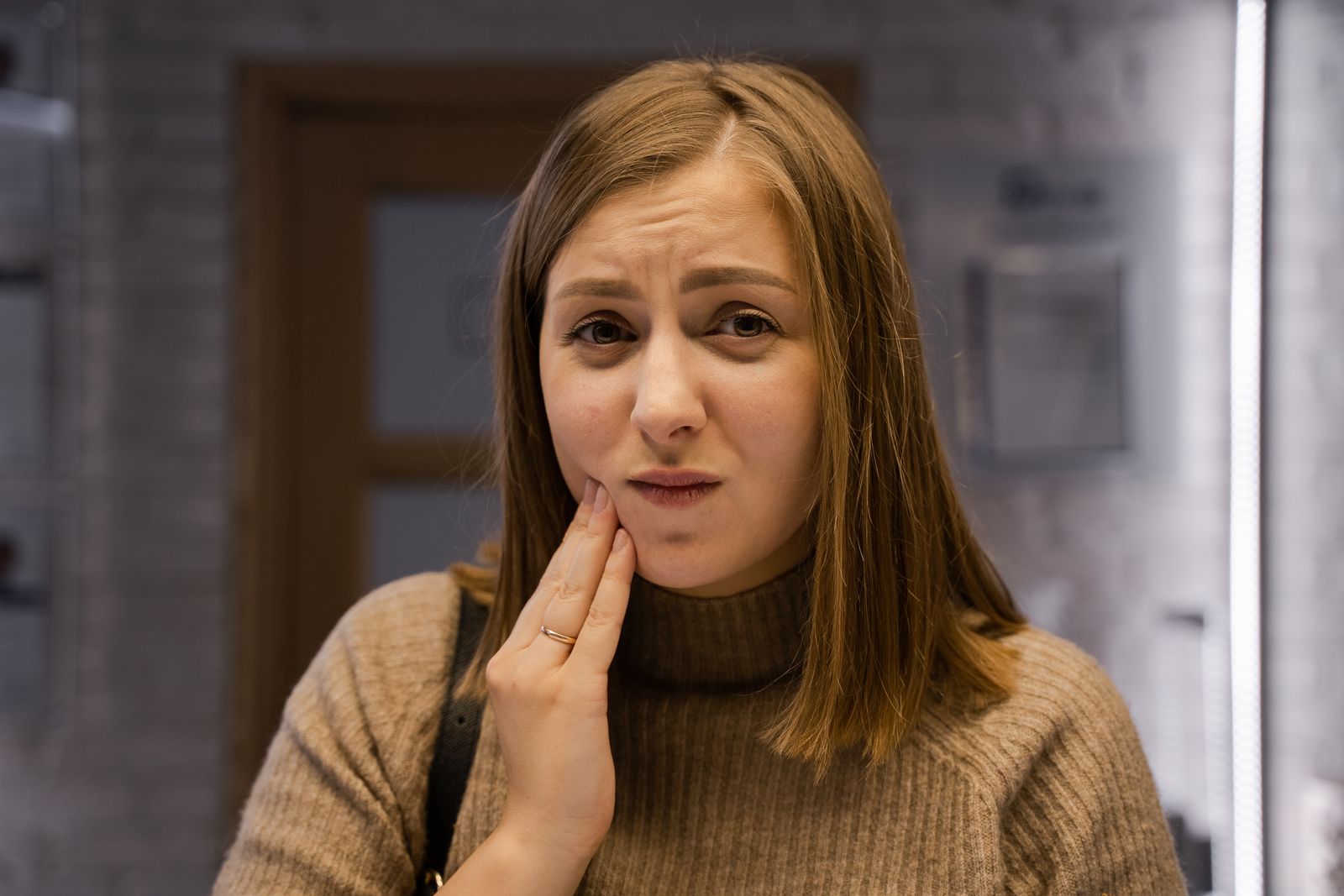
Photo by Pavel Danilyuk via Pexels
Most Sensitivity Isn't a Root Canal Problem
Teeth are supposed to feel a little. A brief zing from ice cream or a cold drink that fades within a second or two is normal, and on its own it's not a sign that anything is wrong with the nerve. The nerve is reacting the way it's meant to, then settling straight back down.
A root canal treats a nerve that has been damaged so badly it won't recover, not a nerve that simply notices cold. Those are two different situations. So before you assume the worst, it's worth knowing that the far more common reasons a tooth turns sensitive are ordinary and often fixed with something much smaller than a root canal.
What Sensitivity Usually Means Instead
When a tooth becomes sensitive, these are the everyday causes that come up far more often than a dying nerve:
- Exposed dentine. When the gum recedes or enamel wears thin, the softer layer underneath is uncovered, and it carries cold and sweet straight toward the nerve. This is behind a lot of cold sensitivity.
- Brushing too hard, or acidic foods. Scrubbing with a hard brush and a diet heavy in acidic drinks both wear enamel down over time and open up sensitivity.
- A cavity. Decay reaching the dentine makes a tooth sensitive, often to sweet things as well as cold. A filling usually settles it.
- A cracked or leaking filling. An old filling that has chipped or pulled away from the tooth lets temperature in around its edges.
- Grinding or clenching. Bruxism stresses teeth and wears the biting surfaces, which can leave them tender and reactive.
- A recent filling or whitening. Both can leave a tooth sensitive for a few days to a couple of weeks while it settles, which is normal and passes.
None of these needs a root canal. They need the cause found and dealt with, and the sensitivity goes with it.
The Kind of Sensitivity That Does Point to the Nerve
Some sensitivity is the tooth telling you the nerve is genuinely inflamed and may not recover. That's the situation a root canal is for. The pattern looks different from an ordinary twinge:
- Cold or heat pain that lingers. Pain that carries on for 30 seconds or longer after the cold or hot thing is gone, rather than fading at once, is the classic sign of an irritated nerve.
- Pain that starts on its own. A tooth that aches or throbs with nothing setting it off, especially a deep, spreading ache, is a warning the nerve is in trouble.
- Pain that wakes you at night. A tooth that keeps you up or wakes you is behaving very differently from one that just dislikes ice. Our guide to tooth pain at night covers why.
- Heat pain eased by cold. Reaching for cold water to calm a hot ache is a fairly specific sign of a nerve that is dying, and it's covered in our page on a tooth sensitive to heat.
- Sore to bite on, or swelling nearby. When sensitivity comes with pain on biting or a swollen, tender gum, the problem has usually moved past simple sensitivity. See our guide to pain when biting down and the wider list of root canal symptoms.
If two or three of these describe your tooth, it's worth being seen sooner rather than waiting it out.
How We Tell the Difference
You can't reliably diagnose this from the outside, and neither can we without a proper look. At the visit we check the tooth, test how it responds to cold, tap it to see whether it's tender, and take an X-ray. The X-ray shows decay hidden between teeth or under a filling, and whether there's any shadow of infection at the root tip that would mean the nerve has already gone.
Sometimes the answer is clear straight away, a cavity to fill or a worn patch to seal, and no root canal in sight. Sometimes a tooth is borderline, and the honest thing is to treat the obvious cause, calm the tooth down, and watch it, rather than jump to a root canal it may not need. We'll tell you which of those your tooth is, with the picture in front of you.
What to Do Until You're Seen
For the ordinary, short-lived kind of sensitivity, a few things genuinely help while you sort out a visit:
- Switch to a desensitising toothpaste and give it a couple of weeks. Rubbing a little onto the sensitive spot before bed and not rinsing it off works better than just brushing with it.
- Use a soft brush and ease off the pressure. Sensitivity from over-scrubbing improves once you stop.
- Go easy on very cold, very hot, and acidic things for a while so you're not constantly setting the tooth off.
If your tooth is in the lingering-pain, throbbing, or waking-you-at-night group, an over-the-counter painkiller you normally tolerate helps in the meantime; our guide to painkillers for a toothache covers what tends to work. That kind of pain is worth a call rather than a wait.
And here's the part most practices skip: if all you have is a one-second zing from cold that fades on its own, you very likely don't need us urgently, and you may not need a root canal at all. A tube of desensitising toothpaste and a gentler brushing habit fixes a surprising amount. Come in if it doesn't settle over a few weeks, or if the pain changes character, not because a single twinge frightened you.
Getting Seen in English in Beit Shemesh
If your Hebrew is fine for the shops but not for words like dentine, pulp, and nerve, you can do the whole visit in English here. Dr. Joel trained and qualified in the United States, so describing exactly how your tooth reacts, hearing whether it needs a filling or a root canal, and asking whatever you want to ask all happen in a language you're comfortable in. When you're trying to work out whether a sensitive tooth is nothing or something, being able to explain it properly matters.
We're in Ramat Beit Shemesh and see patients from across the wider area, not only local residents, and you don't need to be registered with us in advance.
If a tooth has turned sensitive and you're not sure whether it's harmless or the start of something, call or WhatsApp us at 055-985-8845 and tell us how it's behaving. We'll tell you how soon you need to be seen, give you the cost before anything starts, and if it can safely wait, we'll say so. We're in Ramat Beit Shemesh, open Sunday to Thursday 8:00 AM to 8:00 PM and Friday 9:00 AM to 5:00 PM, with after-hours emergency treatment outside those hours. Our root canal and emergency dentist pages explain how we handle urgent visits.
For guidance from sources with nothing to sell, the ADA's MouthHealthy explains what causes sensitive teeth, and the American Association of Endodontists covers when a tooth needs root canal treatment and the symptoms of an inflamed nerve.
Common questions
Does a sensitive tooth always mean I need a root canal?
How do I know if my tooth sensitivity is serious?
Can sensitive toothpaste fix the problem?
Does sensitivity that lingers mean the nerve is dying?
Can a sensitive tooth heal on its own?
Still not sure? Message us.
Send Dr. Gabriel Joel, DMD a quick description of what's going on and we'll point you in the right direction.
Message on WhatsAppDentist in Beit Shemesh — our dental clinic