
Tooth Sensitive After a Filling? What's Normal and When to Call
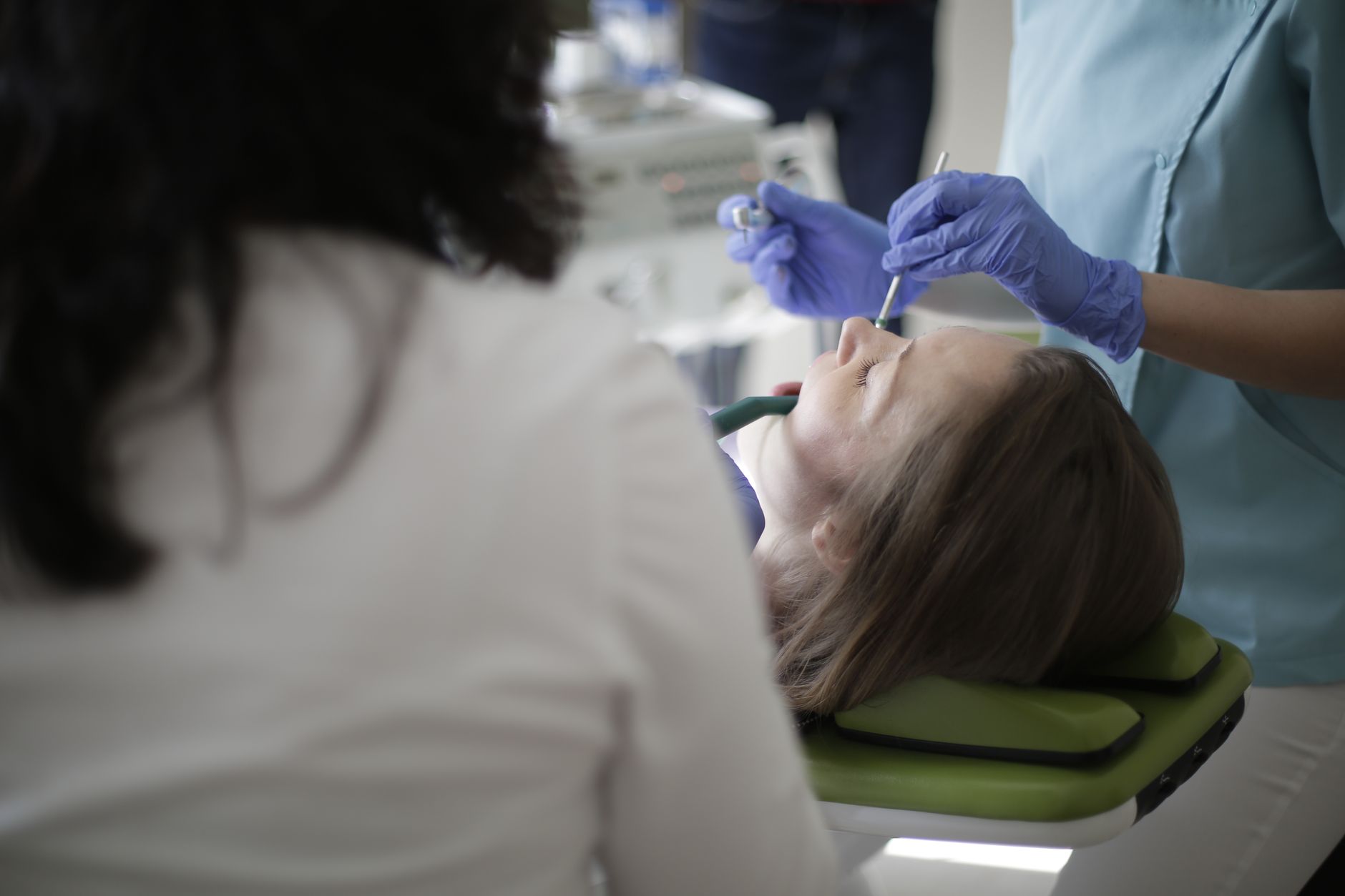
Photo by Andrea Piacquadio via Pexels
Why a Filled Tooth Becomes Sensitive
Under the enamel is dentin, which is full of tiny channels leading to the pulp (the nerve inside the tooth). Removing decay and drilling the tooth exposes those channels and irritates the nerve. The nerve answers the way nerves do: it reacts to temperature and sugar more sharply than before.
It usually calms down as the nerve settles and the dentin seals itself off. That is the boring, common outcome, and you are better off knowing it before you start googling at midnight.
What Each Trigger Usually Means
The trigger tells us a lot. Here is how we read them:
- Cold drinks or cold air: the most common. Normal if it is a sharp flash that stops within a second or two. We go deeper on this in why a tooth is sensitive to cold.
- Sweet food: also common early on. If it keeps happening for weeks, the edge of the filling may not be sealing perfectly, and we would want to look at it.
- Hot drinks: less common, and more worth watching. Heat that sets off an ache that hangs around is a nerve problem more often than a settling one. See sensitivity to heat.
- Biting: usually a filling that sits slightly high, which is a quick adjustment. Our post on a new filling that hurt when biting shows what that looks like.
How Long It Should Last
Most fillings settle within one to two weeks. A deeper filling, placed close to the pulp, can take closer to a month. Direction beats the calendar: a tooth that twinges a little less each day is healing.
The general version of this question, covering soreness as well as sensitivity, is in whether it is normal for a tooth to hurt after a filling.
When Sensitivity Is Not Normal
Call us if you notice any of these:
- The twinge from cold or heat lasts more than about a minute after the trigger is gone.
- The tooth aches on its own, with no trigger at all.
- It wakes you at night.
- It is clearly worse on day ten than it was on day three.
- There is swelling in the gum or face.
A lingering reaction suggests the nerve is inflamed more than a filling can calm. Sometimes it settles. Sometimes it needs treatment, as covered in when sensitivity means a root canal. An exam and an X-ray tell the two apart.
What Helps in the Meantime
- Keep very cold drinks and ice cream away from that side for a few days.
- Brush gently with a soft brush, and do not skip the tooth. A desensitising toothpaste is reasonable.
- Breathe through your nose in cold air if the twinge is air-triggered. It sounds silly and it works.
- Eating is a separate question, answered in how soon you can eat after a filling.
If It Flares Up on a Friday in Beit Shemesh
Our clinic on Harav Kook is open Sunday to Thursday 08:00 to 20:00 and Friday 09:00 to 17:00. Shabbat is for genuine emergencies only. Fillings placed on Thursday have a way of announcing themselves on Friday afternoon, and then you are deciding between waiting and calling with Shabbat approaching.
If the sensitivity is brief and fading, ride it out over Shabbat. If it is a throbbing ache that will not settle, message us before candle lighting rather than after. You can describe the tooth in English or Hebrew, which makes it easier to say exactly what it is doing. Our emergency dental care in Beit Shemesh page explains how an urgent visit works.
When You Do Not Need Us
If the sensitivity is brief, only appears with cold, and is a little better each day, you do not need an extra appointment. Wait the two weeks and mention it at your next check-up.
If you have facial swelling that is spreading, trouble swallowing or breathing, or a fever, go to the nearest emergency room. That is no longer a filling problem.
If your tooth is not behaving the way this page describes, call or WhatsApp Urgent Dental Care in Beit Shemesh on 055-985-8845. You see one dentist, Dr. Gabriel Joel, DMD, and same-day appointments are possible. Residents of Ramat Beit Shemesh can read about urgent treatment in Ramat Beit Shemesh, a short drive away.
For guidance from sources with nothing to sell, the American Association of Endodontists explains what different kinds of tooth pain usually mean, and the ADA's MouthHealthy covers what counts as a dental emergency.
Common questions
Is it normal for a tooth to be sensitive to cold after a filling?
Why is my tooth sensitive to sweet food after a filling?
Should a filling be sensitive to hot drinks?
How long should sensitivity last after a filling?
Can I get a sensitive tooth checked in Beit Shemesh on the same day?
Will sensitivity after a filling always go away?
Still not sure? Message us.
Send Dr. Gabriel Joel, DMD a quick description of what's going on and we'll point you in the right direction.
Message on WhatsAppDentist in Beit Shemesh — our dental clinic