
Is It Normal for My Tooth to Hurt After a Filling? What to Expect
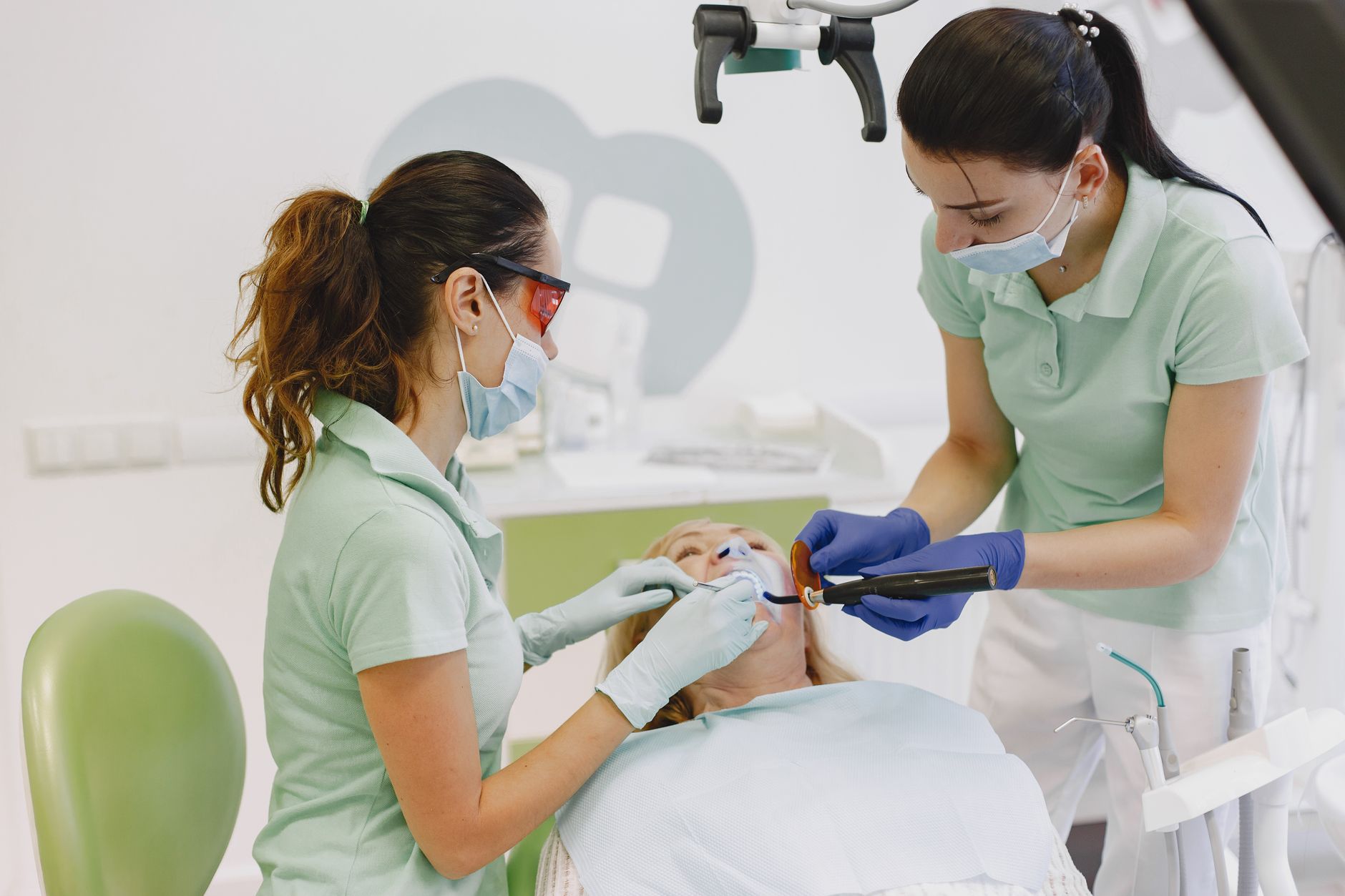
Photo by Gustavo Fring via Pexels
What Is Normal After a Filling
To place a filling, the dentist removes the decay and shapes what is left. The tooth, and the nerve inside it, have been through something. A bit of complaint afterwards is the tooth saying so.
These are all ordinary in the first days:
- Sensitivity to cold, sweet or hot food that is brief and stops soon after the trigger is gone.
- A tender feeling when you bite, mild and not sharp.
- Gum soreness around the tooth where the anaesthetic needle and the clamp were.
- A tooth that feels slightly different to your tongue, simply because it is.
The key word is trigger. Normal pain has one: cold water, a sweet bite, pressure. You do something, it twinges, it stops.
A Rough Timeline
Every tooth is different, but this is the pattern we expect to see.
- Day 1 to 3: the most sensitive stretch. Cold and biting are the usual complaints.
- Day 4 to 7: noticeably better. You are thinking about the tooth less.
- Week 2: mostly gone. A deep filling, placed close to the nerve (the pulp), can take closer to a month.
The direction matters more than the day. A tooth that is a little better every day is healing. A tooth that was fine on Tuesday and worse on Friday is telling you something else. We cover the full pattern in tooth pain after a filling: what's normal, what's not and the timing in how long a tooth hurts after a filling.
What Is Not Normal
Call us if you notice any of these:
- Throbbing or aching with no trigger at all.
- Pain that wakes you at night, or is worse lying down.
- Cold sensitivity that lingers for a minute or more after the cold is gone.
- Swelling in the gum or face, or a pimple-like bump on the gum.
- Pain that is clearly worse on day ten than on day three.
A lingering ache usually means the nerve is inflamed beyond what the filling can calm. It is the same signal described in tooth sensitivity and when it means a root canal. Sometimes it settles. Sometimes the nerve needs treatment. Only an exam and an X-ray tell the two apart.
The Easy Fix: A Filling That Sits Too High
If the pain is sharp, only happens when you close your teeth together, and began right after the appointment, the likely cause is a filling that is a fraction too high. While you are numb, you cannot judge your own bite, so a filling that felt fine in the chair can feel enormous that evening.
The fix takes minutes. We check the bite with marking paper and polish the high spot down. No drilling out, no redoing the filling. There is a worked example in the new filling that hurt more than the cavity did.
What Helps at Home
- Avoid very cold drinks and ice cream on that side for a few days.
- Chew on the other side until it calms down.
- Brush normally, gently, with a soft brush. Do not skip the tooth.
- An over-the-counter painkiller you already use safely is fine, taken as the packet says. Check with your doctor if you take blood thinners or have a medical condition.
Eating is a separate question, answered in how soon you can eat after a filling. A filling that is still sore after a month is a different story, covered in why a filling hurts months later.
If It Starts on a Thursday Night in Beit Shemesh
Fillings are often done late in the week, and the pain that worries people tends to show up that evening or the next day. Our Beit Shemesh clinic on Harav Kook is open Sunday to Thursday 08:00 to 20:00 and Friday 09:00 to 17:00. Shabbat is for genuine emergencies only.
So if the soreness is mild and improving, you can ride it out over Shabbat with the home steps above. If it is throbbing, keeps you up or comes with swelling, do not sit on it until Sunday. Message us. You can also describe exactly what the tooth is doing in English or Hebrew, which makes the next step much easier to pick. For anything beyond a normal healing tooth, our emergency dental care in Beit Shemesh page explains how an urgent visit works.
When You Do Not Need Us
If the soreness is mild, getting better and only appears when you bite something cold, you do not need an extra appointment. Wait out the two weeks. Come to your normal check-up and mention it.
And if you have facial swelling that is spreading, trouble swallowing or breathing, or a fever, go to the nearest emergency room. That is no longer a filling problem.
If your tooth is not behaving the way this page describes, call or WhatsApp Urgent Dental Care in Beit Shemesh on 055-985-8845. You see one dentist, Dr. Gabriel Joel, DMD, and same-day appointments are possible. Our urgent treatment in Ramat Beit Shemesh page is a short drive away for residents there.
For guidance from sources with nothing to sell, the American Association of Endodontists explains what different kinds of tooth pain usually mean, and the ADA's MouthHealthy covers what counts as a dental emergency.
Common questions
How long is it normal for a tooth to hurt after a filling?
Why does my tooth hurt when I bite after a filling?
Is it normal for a filling to be sensitive to cold?
Can a new filling cause a toothache that wakes me at night?
Can I get checked in Beit Shemesh on the same day?
Do I have to pay again if the filling needs adjusting?
Still not sure? Message us.
Send Dr. Gabriel Joel, DMD a quick description of what's going on and we'll point you in the right direction.
Message on WhatsAppDentist in Beit Shemesh — our dental clinic