
Root Canal Through an Existing Crown: Can It Be Done?
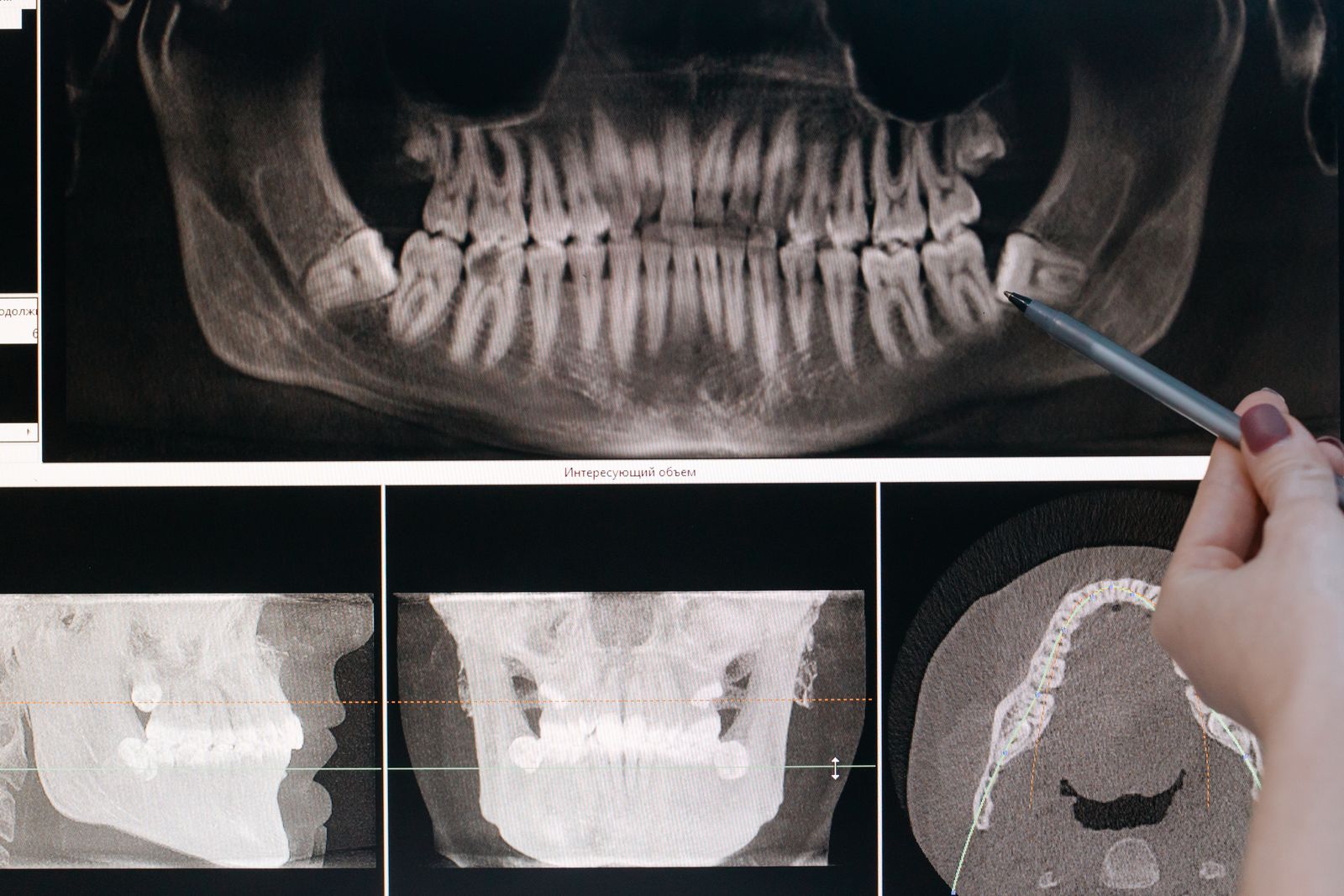
Photo by cottonbro studio via Pexels
Can You Have a Root Canal Without Removing the Crown?
In most cases, yes. A crown caps the outside of the tooth, but the root canals run down the middle of it, and those can be reached from above. The dentist makes a small opening through the biting surface of the crown, works through it to clean and shape the canals, and closes the opening again at the end. The crown itself never comes off.
This is good news if your crown is fairly new, fits well, and cost a fair amount to make. Drilling a neat hole through it and sealing it back up is quicker, cheaper, and less disruptive than cutting the whole crown off and making a new one. Porcelain and zirconia crowns are harder to drill through than metal ones, so it takes the right burs and a little more time, but it is routine work. You can see how the treatment itself runs in our step-by-step of a root canal.
When the Crown Can Stay, and When It Has to Come Off
Whether the crown stays comes down to what the dentist finds on the tooth and the X-ray. Going through the crown is usually the plan when:
- The crown is sound, fits well, and the tooth under it looks healthy on the X-ray.
- There is no decay creeping in under the edge of the crown.
- The tooth still has enough solid structure to support the crown after treatment.
The crown usually has to come off first when:
- There is decay under the crown that has to be cleaned out.
- The crown is loose, cracked, ill-fitting, or old and due for replacement anyway.
- The dentist cannot see or reach the canals properly through it.
- The tooth needs building back up before a new crown goes on.
If the crown has to be replaced regardless, there is no sense drilling through one you are about to remake, so it comes off at the start. Our guide to a post and core after a root canal covers how a tooth is rebuilt when a new crown is made.
Why a Crowned Tooth Needs a Root Canal at All
People are often surprised that a tooth with a crown can still need a root canal. A crown caps the tooth, but it does not sterilise the nerve inside. The nerve (the pulp) can still become inflamed or die, from decay sneaking under the crown, from a crack, from the trauma of the tooth being prepared for the crown years earlier, or from an old, deep filling underneath it.
When that nerve gets infected, a crown offers no protection from the pain or the abscess that follows. The signs are the same as any other infected tooth: lingering pain, sensitivity to heat, a dull throb, tenderness when you bite, or a bump on the gum. Our guide on an infection in a crowned tooth goes through what to watch for, and what causes a tooth infection covers how it starts.
What Happens to the Crown Afterward
Once the canals are cleaned and filled, the access hole through the crown is sealed with a permanent filling, usually a tooth-coloured composite. In most cases the crown carries on as before and you would struggle to spot the repair.
There is an honest caveat. Cutting an opening through a crown removes a little of its material, so a crown that has been drilled through is slightly less strong than one that has not. Most hold up fine for years. Some, especially older or already-worn crowns, are better replaced after the root canal so the treated tooth has a solid cap over it. The dentist will tell you which camp your crown is in rather than leave you guessing. If a new crown is needed, our guide to the cost of a crown after a root canal explains what goes into it, and why a treated tooth usually needs a crown covers why the cap matters.
Redoing an Old Root Canal Through a Crown
Some teeth already had both a root canal and a crown, and years later the tooth flares up again because the old treatment has failed or a new infection has set in. The fix is often retreatment: reopening the tooth, cleaning the canals out again, and resealing them. This too can usually be done through the existing crown, without removing it, as long as the crown is still sound.
If the old crown is worn out or the tooth needs rebuilding, the crown comes off and a new one goes on after the retreatment. Our pages on root canal retreatment and a recurring infection after a root canal explain when a treated tooth needs a second round, and the root canal retreatment service page covers how we handle it.
When to Get a Crowned Tooth Seen
A crowned tooth that has started to ache, throb, or feel tender when you bite wants looking at rather than waiting out. Pain from a crowned tooth almost always means something is happening underneath, and a crown will not settle it on its own.
Call the same day if you have any of these:
- Throbbing or building pain from a crowned tooth.
- Swelling of the gum, cheek, or face near it.
- A bump or pimple on the gum, or a bad taste that keeps coming back.
- Pain that wakes you at night or does not ease with painkillers.
What is not a dentist appointment at all: swelling spreading toward your eye or down your neck, a fever with a swollen face, or any trouble breathing or swallowing. Go straight to a hospital emergency room, because a spreading infection is dangerous whatever tooth started it. Our guide to when a toothache is a real emergency helps you judge which one you are dealing with.
If a crowned tooth is hurting, or you have been told it needs a root canal, call or WhatsApp 055-985-8845. In most cases we can treat it straight through the crown you already have. We are in Ramat Beit Shemesh, open Sunday to Thursday 8:00 AM to 8:00 PM and Friday 9:00 AM to 5:00 PM, with after-hours emergency treatment outside those hours. Our root canal treatment page explains how the treatment works, and dental infection treatment covers clearing an infection at the source.
For guidance from sources with nothing to sell, the ADA's MouthHealthy explains what dental crowns are and how they are used, and the American Association of Endodontists covers how root canal treatment cleans an infected tooth.
Common questions
Can you do a root canal without removing the crown?
Why does a tooth with a crown still need a root canal?
Will my crown survive a root canal through it?
When does the crown have to be removed for a root canal?
Can an old root canal be redone through the crown?
Is a root canal through a crown more painful?
When should I see a dentist about a crowned tooth that hurts?
Still not sure? Message us.
Send Dr. Gabriel Joel, DMD a quick description of what's going on and we'll point you in the right direction.
Message on WhatsAppDentist in Beit Shemesh — our dental clinic