
Root Canal Retreatment: When an Old Root Canal Fails
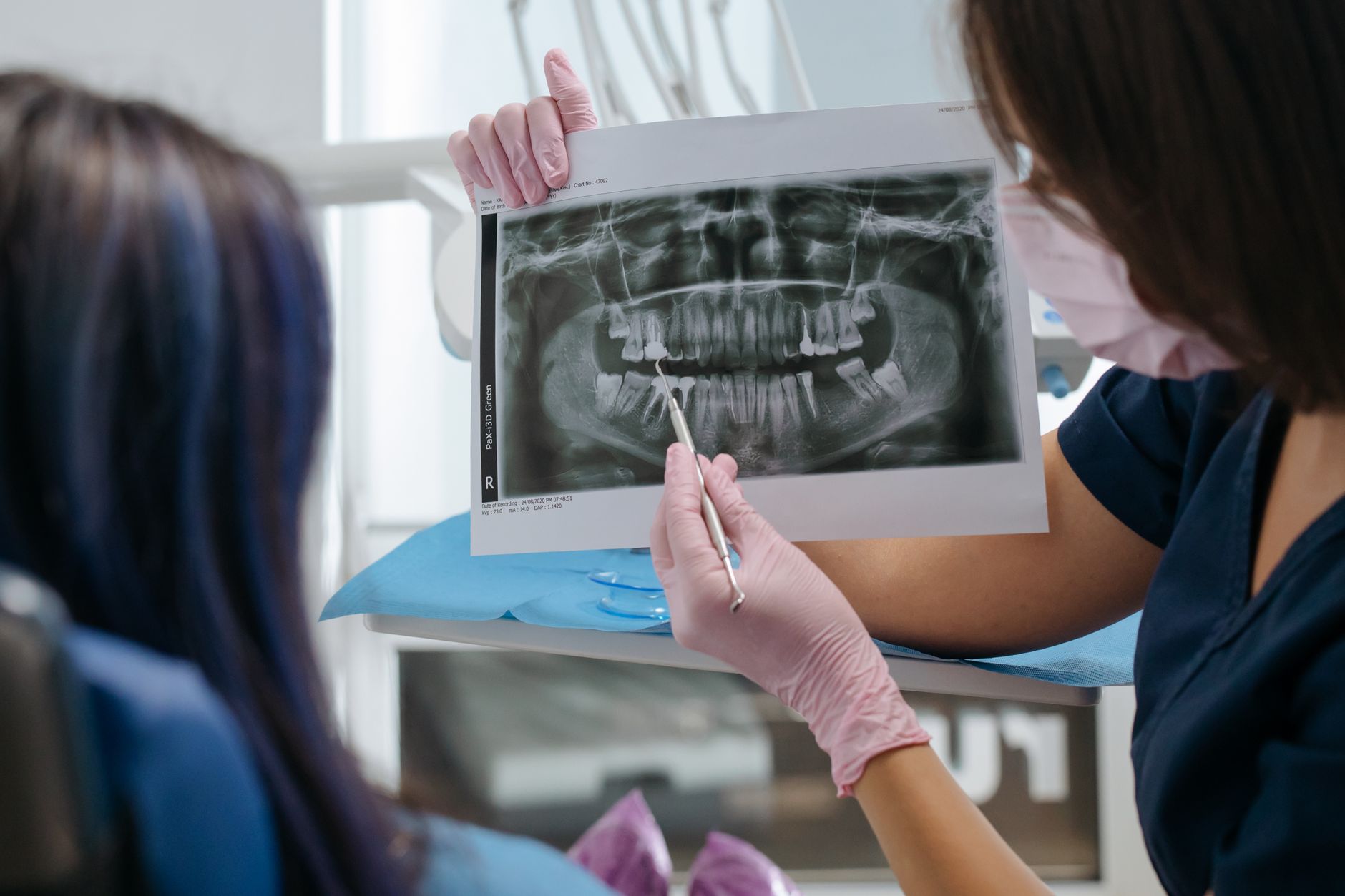
Photo by cottonbro studio via Pexels
What Root Canal Retreatment Actually Is
A root canal clears the infected pulp (the nerve inside the tooth) out of the canals and seals them so bacteria can't get back in. Retreatment does the same job on a tooth that's already had it done, because something let bacteria back in or was never fully cleared. The dentist takes the tooth apart again, through the crown or filling on top, reaches the canals, and redoes the cleaning and sealing with the benefit of knowing the tooth has a history.
It isn't a sign the first dentist was careless. Some canals are genuinely hard to find, curve sharply, or branch in ways an X-ray doesn't show, and even a well-done root canal can leak years later if the seal or the crown breaks down. An incomplete root canal covers the ways the first attempt can fall short. The American Association of Endodontists explains how retreatment works.
Why a Root Canal Fails Months or Years Later
A treated tooth can go quiet for years and then start up again. The common reasons:
- A narrow or extra canal that was never found and cleaned the first time
- A crown or filling that cracked or wore down, letting bacteria seep back into the sealed canals
- A new cavity that reaches the root filling
- A tooth that was treated but never properly crowned, so it cracked under chewing
- A stubborn infection that never fully settled
The signs a retreatment might be needed are the same ones that mean a root canal isn't behaving:
- Pain or tenderness when you bite on the tooth, long after it should have settled
- A dull ache or throbbing that comes back after months or years of quiet
- Swelling, or a small pimple-like bump on the gum that leaks and tastes bad
- The tooth darkening noticeably compared with its neighbours
Waiting to see if it settles is usually the more expensive choice. A returning root canal problem almost never fixes itself, and the longer an infection sits, the more likely the tooth ends up beyond saving. The signs a root canal was done well shows the flip side: what a healthy treated tooth looks like.
What Happens During Retreatment
Retreatment follows the shape of the original root canal, with an extra step at the front: getting back into the tooth.
- Reopening the tooth. The crown or filling on top is removed, or drilled through, to reach the canals again. If there's a post holding a crown in place, that has to come out carefully too.
- Removing the old filling. The rubbery material (gutta-percha) that sealed the canals last time is cleared out with fine instruments and solvent.
- Finding what was missed. The dentist searches for any canal left untreated and cleans the full length of each one again.
- Disinfecting and resealing. The canals are cleaned, disinfected, and sealed again, sometimes with a medicated dressing left inside between visits if the infection is stubborn.
- Rebuilding the top. A new filling closes the tooth, and a back tooth usually needs a fresh crown afterward.
You're fully numb for all of it, and what you feel is pressure and movement, not pain. Retreatment tends to take longer than a first root canal and is more often split across two visits, because there's old material to remove before the real work even starts. A back tooth almost always needs a new crown after the retreatment to protect it from cracking.
Recovery After Retreatment
Expect the tooth to be tender for a few days, especially when you bite on it, a bit more than after a first root canal, since the tooth has been worked on more. An over-the-counter pain reliever handles it in most cases. Chew on the other side until the tooth is fully restored, and wait for the numbness to wear off before eating so you don't bite your cheek or lip.
The soreness should ease steadily over a week or so. What isn't normal is pain that gets worse instead of better, or new swelling. Those are worth a call rather than a wait. Recovery time after a root canal lays out what's normal and what isn't; retreatment recovery runs along the same lines, sometimes a touch longer.
Retreatment, Surgery, or Extraction
Retreatment isn't the only option when a root canal fails, and it isn't always the right one. The three real choices are usually retreatment, a small surgery called an apicoectomy (removing the very tip of the root and sealing it from below), or taking the tooth out.
Retreatment is the first choice for most teeth, because keeping your own tooth beats replacing it. But if the tooth is cracked below the gum, too broken down to rebuild, or has already been retreated without success, retreatment won't fix it, and pushing on just spends money to delay the inevitable. In those cases root canal versus extraction walks through when pulling the tooth is the honest answer. An apicoectomy is a middle path when the canals themselves are sealed well but infection lingers at the root tip.
If a tooth that already had a root canal has started aching, swelling, or hurting to bite on, it's worth getting looked at rather than waited out. Call or message us on WhatsApp at 055-985-8845. We're open Sunday to Thursday 8:00 AM to 8:00 PM and Friday 9:00 AM to 5:00 PM, with after-hours emergency treatment outside those hours, and we handle root canal retreatment in Ramat Beit Shemesh. We'll check the tooth and the X-ray with you and tell you honestly whether it can be saved.
For background from sources with nothing to sell, the American Association of Endodontists explains how root canal treatment works, and the ADA's MouthHealthy covers what root canal treatment involves.
Common questions
What is root canal retreatment?
Why would a root canal need to be redone years later?
Is retreatment more painful than the first root canal?
How long does root canal retreatment take?
Is retreatment worth it, or should I just pull the tooth?
Will I need a new crown after retreatment?
Still not sure? Message us.
Send Dr. Gabriel Joel, DMD a quick description of what's going on and we'll point you in the right direction.
Message on WhatsAppDentist in Beit Shemesh — our dental clinic