
Recurring Infection After a Root Canal: Why It Comes Back
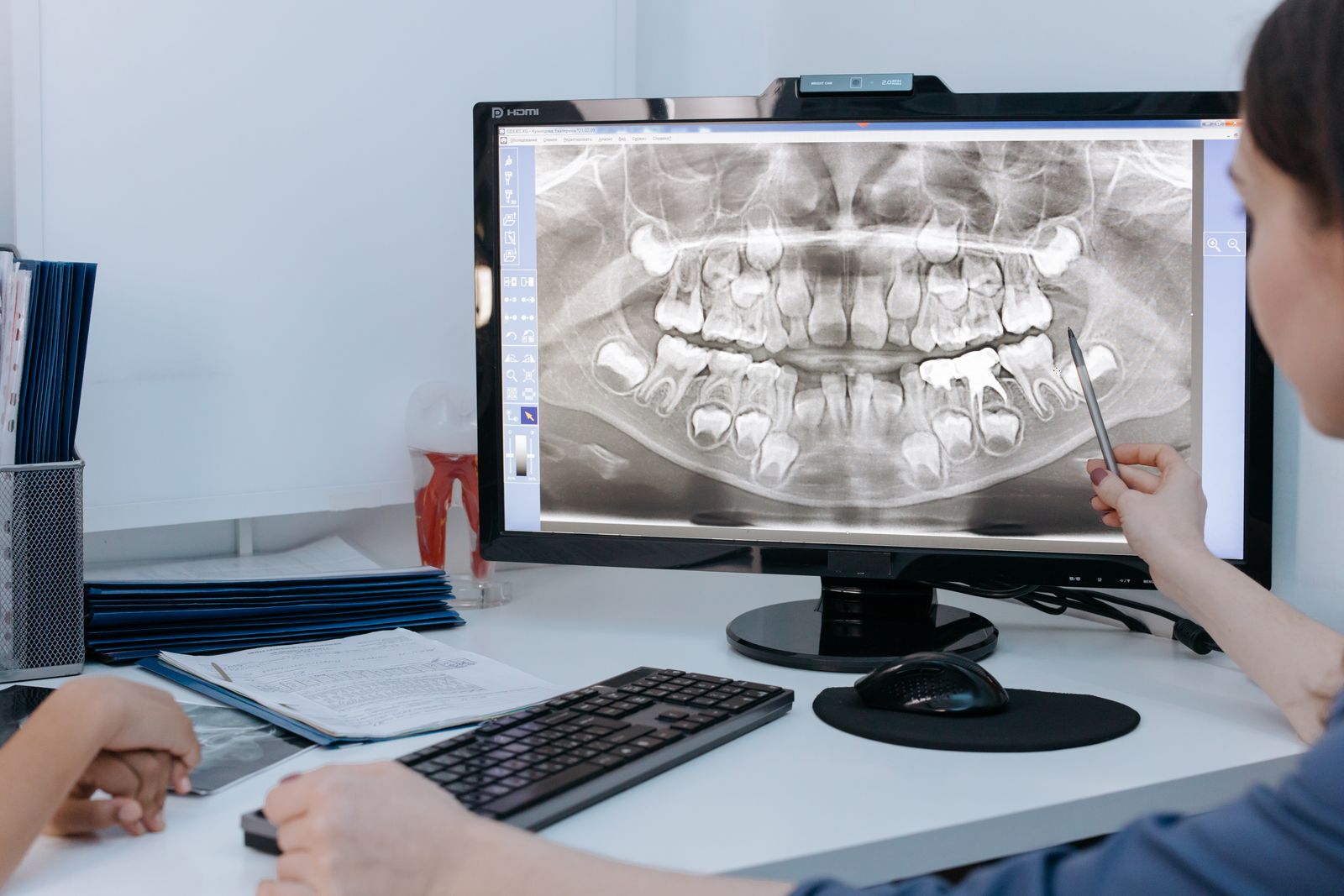
Photo by cottonbro studio via Pexels
Why a Treated Tooth Can Get Infected Again
A root canal has a good track record, but it isn't a lifetime guarantee. The seal inside the tooth keeps bacteria out only as long as the tooth stays sealed on top too. When something lets bacteria back down to the canals, the infection can start over.
The common ways that happens:
- A leaking crown or filling. The restoration on top wears, chips, or comes loose, and saliva and bacteria seep down into the canals underneath. An infection under a crowned tooth often starts exactly this way.
- New decay. A cavity forming at the edge of an old crown or filling can tunnel down and reach the sealed canal.
- A canal that was missed or hard to reach. Some teeth have narrow, curved, or extra canals that are easy to leave slightly uncleaned the first time. Bacteria left behind there can flare up later.
- A delayed or weak final restoration. A temporary filling left too long, or a tooth that never got the permanent crown it needed, leaks over time. A proper buildup and crown is what keeps the seal honest.
- A crack in the tooth or root. A split lets bacteria in along its whole length, and a crack running into the root is the one cause that often can't be saved.
The Signs the Infection Has Come Back
A reinfected tooth usually tells you in one of a few ways. Rarely all at once, and sometimes with barely a whisper:
- Pain returning. A dull ache in the tooth, or a sharper twinge when you bite down, after months or years of nothing.
- Swelling or tenderness in the gum near the tooth, sometimes with the tooth feeling sore to chew on.
- A bump on the gum. A small pimple that drains and refills is a sign infection is finding a way out. A dental abscess often starts as one of these.
- A bad taste that keeps coming back and won't rinse away, from pus leaking near the tooth.
Not every reinfection hurts. Some are silent and only turn up as a dark shadow at the root on a routine X-ray. The full list of signs a root canal has failed goes through them in more detail.
Why It Can Show Up Years Later
This is the part that surprises people. A root canal can be completely fine for five, ten, or more years, and then the tooth flares up out of nowhere. The reason is almost always slow: a crown gradually wears or a filling develops a hairline crack, bacteria seep in over months, and the infection builds quietly at the very tip of the root. You feel nothing until it reaches the bone and the pressure starts to register.
Waiting to see whether that returning ache settles on its own is usually the more expensive choice. A tooth caught soon after the infection comes back is far easier to re-treat than one left until the infection has eaten into the bone around the root. What happens if an infected tooth is left untreated lays out where that goes if it's ignored.
How a Recurring Infection Is Treated
There are three honest routes, and which one fits depends on why the tooth reinfected and how much sound tooth is left.
- Retreatment. The usual first choice. The dentist reopens the tooth, removes the old root filling, cleans and disinfects the canals again, and reseals them. It's a second root canal on the same tooth, and it saves most reinfected teeth. What retreatment involves walks through the visit.
- A small surgery on the root tip. When retreatment can't reach the problem, or has already been done once, a minor procedure called an apicoectomy removes the very end of the root and the infection around it, sealing the tip from below.
- Removing the tooth. If the tooth is cracked through the root or too broken down to rebuild, taking it out is the more sensible call. Root canal versus extraction compares the two honestly.
One thing worth being plain about: antibiotics on their own don't fix a reinfected tooth. They can calm a flare-up and bring down swelling for a few days, but the source of the infection is inside the tooth, and it stays there until the tooth is treated. A course of antibiotics with no follow-up treatment just buys the infection time.
When to Get Seen and When It Can Wait
Not every returning niggle is a middle-of-the-night emergency, and it helps to know the difference.
Go straight to a hospital emergency room, not a dental chair, if you have swelling spreading across the face, closing an eye, or reaching the neck; trouble swallowing or breathing; or a fever alongside facial swelling. Those are signs the infection is moving beyond the tooth, and that is a medical emergency.
Get seen the same or next day if you have pain that's keeping you up, a gum boil, or swelling around the tooth that's staying put. And a faint twinge that settles on its own, or a spot a dentist flagged on a routine X-ray with no symptoms, can usually wait for a normal appointment in the next few days. Getting through a toothache at night covers holding out until you can be seen.
If a tooth that had a root canal has started aching again, grown a bump on the gum, or feels sore to bite on, the sensible next step is an X-ray to see whether it's reinfected and whether it can be saved. Call or message us on WhatsApp at 055-985-8845. We're open Sunday to Thursday 8:00 AM to 8:00 PM and Friday 9:00 AM to 5:00 PM, with after-hours emergency treatment outside those hours, and we handle root canal retreatment and emergency dental care in Ramat Beit Shemesh. We put the image on the screen and tell you plainly whether the tooth can be kept or not.
For guidance from sources with nothing to sell, the American Association of Endodontists explains what root canal treatment involves and why saving your natural tooth is worth it, and the ADA's MouthHealthy covers dental abscesses and why an infected tooth needs treatment.
Common questions
Can a tooth get infected again after a root canal?
Why does my root canal tooth hurt again after years?
What are the signs a root canal has become reinfected?
Can a reinfected root canal be fixed without pulling the tooth?
Do antibiotics cure a reinfected root canal?
Is a recurring root canal infection an emergency?
How soon after a root canal can it get reinfected?
Still not sure? Message us.
Send Dr. Gabriel Joel, DMD a quick description of what's going on and we'll point you in the right direction.
Message on WhatsAppDentist in Beit Shemesh — our dental clinic