
Is My Tooth Pain an Infection? How to Tell the Difference
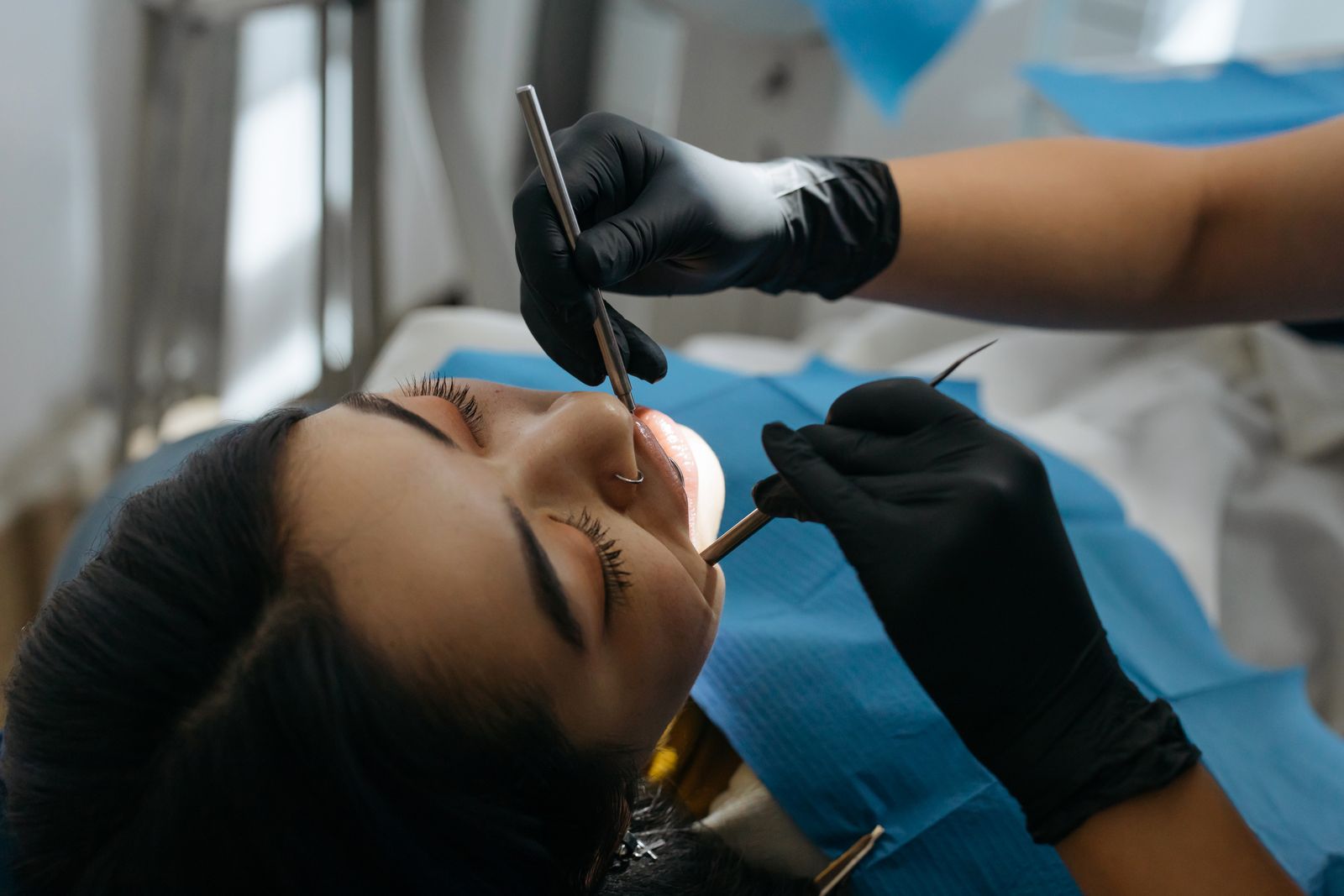
Photo by cottonbro studio via Pexels
The Signs That Point to Infection
An infected tooth (usually an abscess, a pocket of pus at the root) behaves differently from a tooth that is just sore. These are the things that make us suspect infection:
- Swelling in the gum, cheek or jaw.
- A small bump on the gum that may leak a salty or bitter fluid. Our guide to a painful lump on the gum covers it.
- A bad taste or smell that comes from one tooth.
- Throbbing pain that starts on its own, or wakes you at night.
- A tooth that hurts to touch, or feels slightly raised when you close your mouth.
- Fever, or a lymph node under the jaw that is tender.
One of these on its own is a reason to be careful. Two or three together is a reason to be seen soon. The longer guide, tooth and gum infection symptoms, goes through each one.
Pain That Is Usually Not an Infection
Most people who come to us with a toothache have already spent a couple of days hoping it was something minor. Sometimes it is. A brief sharp zing to cold or sweet that fades in seconds is usually a cavity or exposed root, not an infection. Pain only when you bite, with nothing else going on, often means a crack or a filling that sits high. A gum that is sore and bleeds is more often gum inflammation than a tooth abscess.
These still need a dentist, because a cavity left alone becomes an infection eventually. But they are rarely urgent. Our guide to toothache versus abscess sets the two side by side.
When the Pain Stops and the Infection Does Not
This is the part that catches people out. When the nerve inside a tooth dies, the pain can stop completely. It feels like the problem solved itself. It has not. The infection is still sitting at the tip of the root, only now it has nothing to alert you with. We see this regularly, and it is the reason a toothache that suddenly goes quiet is not good news. We wrote about it in can a tooth abscess be painless.
The same goes for a pain that comes and goes. A tooth that is fine for weeks and then flares is not healing in between. See tooth pain that comes and goes.
Is It a Sinus Infection Instead?
Upper back teeth sit right under the sinuses, so a blocked or infected sinus can make several teeth ache at once. The clue is that the pain is dull, spreads across a few teeth on one side, and gets worse when you bend forward, usually after a cold. A tooth infection tends to point at one tooth. If you are not sure, a dentist can usually settle it with an X-ray and a quick test. More in sinus infection or toothache.
If It Starts on a Friday Afternoon in Beit Shemesh
Tooth infections do not respect the calendar. In Beit Shemesh a problem that begins on Thursday night or Friday afternoon can feel very long by Shabbat. We are open Sunday to Thursday 8:00 to 20:00 and Friday 9:00 to 17:00, and Shabbat is reserved for genuine emergencies only. Same-day appointments are possible at the Beit Shemesh clinic, and Dr. Joel treats in Hebrew and English, so you can describe the pain exactly instead of translating it. See our emergency dentist page, or the Ramat Beit Shemesh version, about 2 km from the chair.
When Not to Come to Us
Go to a hospital emergency room, not a dental clinic, if you have swelling that is spreading toward the eye or down the neck, difficulty swallowing or breathing, a swelling under the tongue that pushes it up, or a high fever with chills. These are rare, but an infection moving through the face or neck is a medical emergency. Our guide to when a dental infection means the hospital lists them. If you have a mild, steady ache with no swelling, no fever and no bad taste, it can usually wait for a routine appointment.
Antibiotics may calm an infection for a while but do not remove its cause, as our antibiotics guide explains. The tooth itself needs treatment.
What Happens at the Visit
We look at the tooth and gum, test the tooth with cold and by tapping, and take an X-ray. That tells us whether the nerve is alive, whether there is an abscess, and whether the tooth can be saved. Most teeth can be treated, often with a root canal, and we tell you the price for your case before anything starts. If it is infection, we treat the cause. If it is not, we say so and you go home with a plan.
To reach us, message or call 055-985-8845, or come to Harav Kook 28/1, Beit Shemesh. For neutral reading, the ADA explains what a dental abscess is, and the American Association of Endodontists lists symptoms of an infected nerve.
Common questions
Can I tell if my tooth pain is an infection without seeing a dentist?
Does an infected tooth always hurt?
How fast does a tooth infection get serious?
Can a sinus infection feel like a tooth infection?
Will antibiotics cure my tooth infection?
Can I get seen the same day in Beit Shemesh?
Still not sure? Message us.
Send Dr. Gabriel Joel, DMD a quick description of what's going on and we'll point you in the right direction.
Message on WhatsAppDentist in Beit Shemesh — our dental clinic