
Tooth Pain That Comes and Goes: What It's Telling You
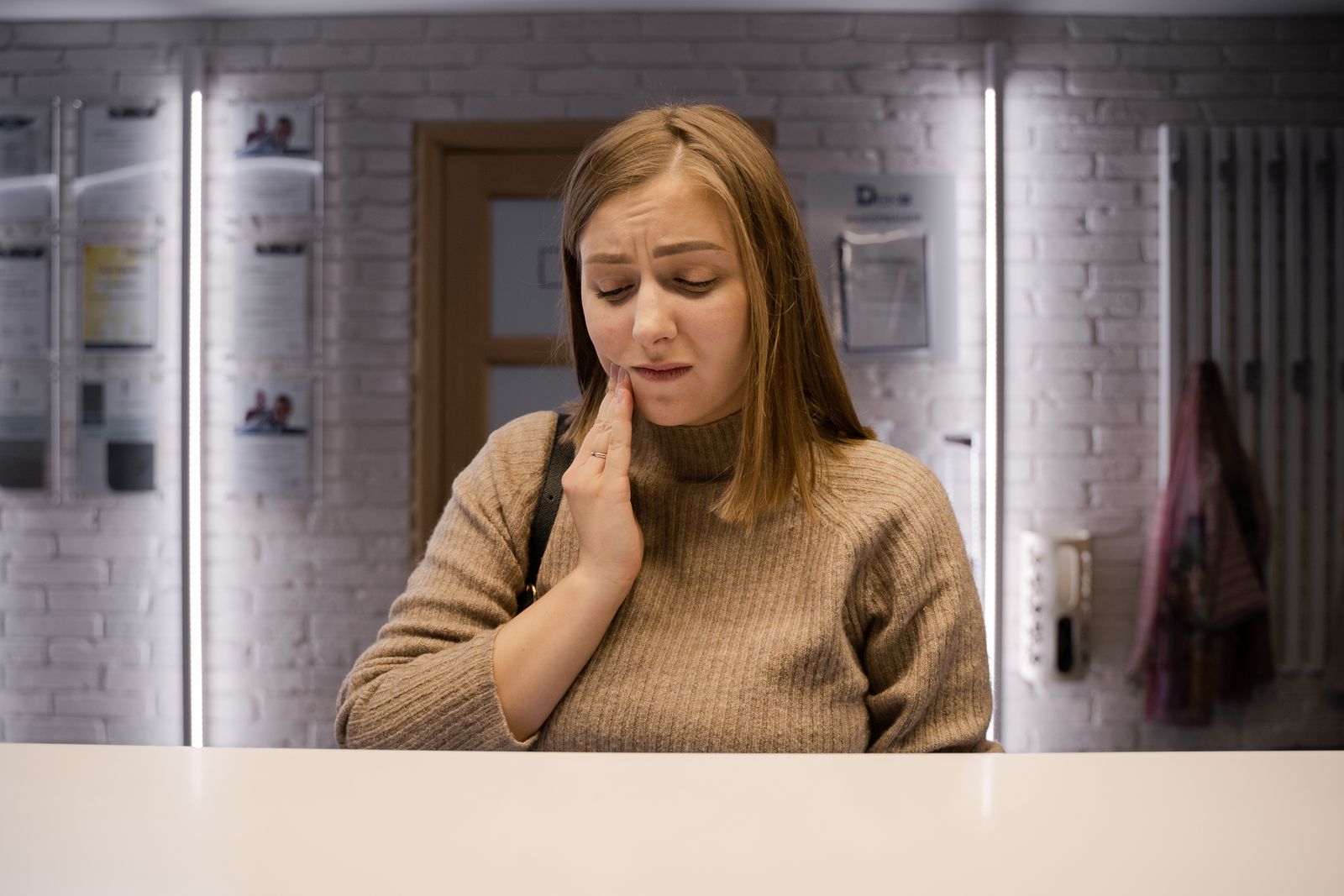
Photo by Pavel Danilyuk via Pexels
What "Comes and Goes" Actually Tells You
An irritated tooth nerve has two broad states, and the pain pattern is the clue to which one you're in. When the pain is brief, only shows up when something triggers it, and stops within a few seconds of the trigger going away, the nerve is inflamed but still healthy enough to recover. Fix what's irritating it and the tooth settles down.
The other state is when the nerve is damaged badly enough that it can't recover. Then the pain starts on its own, lingers after the trigger is gone, and gets worse over days instead of better. That's a tooth moving from "comes and goes" to "won't leave me alone," and it usually means a root canal to save the tooth. The reason to pay attention to an on-and-off ache is to catch it while it's still the first kind, when the tooth has the best chance of being fixed with something simpler.
Common Reasons a Tooth Hurts On and Off
Intermittent pain has a handful of usual causes, and they tend to have their own signatures:
- An early cavity. Decay opens a path to the sensitive layer under the enamel, so the tooth twinges with sweet, cold, or hot and then quiets down. Caught now, it's a filling; left alone, it works toward the nerve.
- A cracked tooth. A crack can hurt sharply as you bite and again as you release, then feel fine until the next wrong bite. It's one of the trickier things to pin down, and what a cracked tooth means covers why.
- Worn enamel or receding gums. Exposed roots or thin enamel make a tooth sharply sensitive to cold or hot for a second or two, without any decay behind it.
- A worn or leaking old filling. Where a filling has aged, the seal can let cold and pressure reach the tooth again.
- Food packing between teeth. Something wedged against the gum gives a dull pressure ache that clears the moment you floss it out.
- Sinus pressure. The upper back teeth sit right under the sinuses, so a cold or an infection up there can make several top teeth ache at once, usually worse when you bend forward. That's not a tooth problem at all.
Grinding or clenching belongs on the list too. It leaves teeth tender in a vague, achy way, often worst first thing in the morning, and it comes and goes with stressful stretches.
The Pattern That Means the Nerve Is in Trouble
Some changes in an on-and-off ache are worth taking seriously, because they point to a nerve that's dying rather than just irritated. Watch for pain that:
- starts on its own, with no cold drink or bite to set it off
- lingers for thirty seconds or more after the trigger is gone, rather than switching off with it
- throbs, or beats in time with your pulse
- wakes you at night or flares when you lie down
- is set off by heat and eased by holding cold water on it, which is a fairly specific sign the nerve is failing
Any of these means the tooth has moved past simple sensitivity. The symptoms that point to a root canal go through this in more detail, and why a toothache flares at night explains the lying-down part. A tooth at this stage is usually still saveable, but the window for the easy fix has closed.
When the Pain Suddenly Stops on Its Own
Here's the part that catches people out. A tooth that's been aching on and off can go quiet completely, and it's tempting to read that as the problem sorting itself out. Sometimes it is. But when a struggling nerve finally dies, the pain from the nerve stops because there's no live nerve left to hurt. The tooth can feel fine for days or weeks.
What's happening underneath is the opposite of better. The dead tissue inside becomes a home for bacteria, and infection builds at the root until it forms an abscess, which announces itself with swelling, a bad taste, or a deep throb that's harder to ignore than the original ache. So a toothache that came, went, and then vanished for good isn't automatically good news. If a tooth hurt for a while and then went silent, it's worth having it checked rather than assuming it healed.
What You Can Do Until You're Seen
None of this is a fix, but it makes the wait easier and the appointment more useful:
- Note what sets the pain off and how long it lasts. "Sharp with cold, gone in two seconds" and "aches on its own for an hour" point at very different problems, and it helps the dentist a lot.
- Take an ordinary over-the-counter painkiller as directed on the packet if you need it.
- Steer clear of whatever triggers it, and chew on the other side for now.
- Keep the area clean and floss gently in case food is trapped.
One thing not to do: don't hold an aspirin against the gum next to the sore tooth. It doesn't work that way and it can burn the gum. Painkillers work by being swallowed.
When to Come In, and When It Can Wait
A single twinge from a cold drink that never comes back is usually just a moment of sensitivity, and it doesn't need an emergency visit. Mention it at your next routine check-up. What's worth booking for is an ache that keeps returning over a few days, even if it settles in between. Waiting to see whether it clears up on its own is usually the more expensive choice, because the cheap fix while the nerve is still healthy turns into a root canal once it isn't.
Come in sooner if the pain has become constant, throbs, wakes you at night, or the tooth is now sore to bite on. Those are the signs the tooth has moved past the on-and-off stage. If you're not sure whether what you have counts as urgent, when a toothache is actually a dental emergency lays out where the line sits.
The one thing that isn't a dental appointment at all: swelling spreading toward your eye or down your neck, a fever alongside facial swelling, or any trouble breathing or swallowing. That's a hospital emergency room, not a dental chair. Go straight to the ER. For a tooth that aches on and off, though, that's exactly the kind of thing we sort out before it becomes the bigger problem.
If a tooth has been hurting on and off and you'd rather know what's behind it than keep guessing, get it looked at while it's still the simple fix. Call or message us on WhatsApp at 055-985-8845. We're open Sunday to Thursday 8:00 AM to 8:00 PM and Friday 9:00 AM to 5:00 PM, with after-hours emergency treatment outside those hours, and we handle emergency dental care in Ramat Beit Shemesh. We'll take a look, put an X-ray on the screen, and tell you honestly whether the tooth needs treatment now or can wait.
For background from sources with nothing to sell, the ADA's MouthHealthy explains what causes a toothache and when to see a dentist, and the American Association of Endodontists covers what happens when a tooth nerve is damaged.
Common questions
What does it mean when tooth pain comes and goes?
Should I worry about a toothache that comes and goes?
Why did my tooth pain suddenly stop?
Can a cavity cause pain that comes and goes?
Is intermittent tooth pain a dental emergency?
How do I stop tooth pain that comes and goes at home?
Still not sure? Message us.
Send Dr. Gabriel Joel, DMD a quick description of what's going on and we'll point you in the right direction.
Message on WhatsAppDentist in Beit Shemesh — our dental clinic