
Toothache vs Abscess: The Difference and When It's Urgent
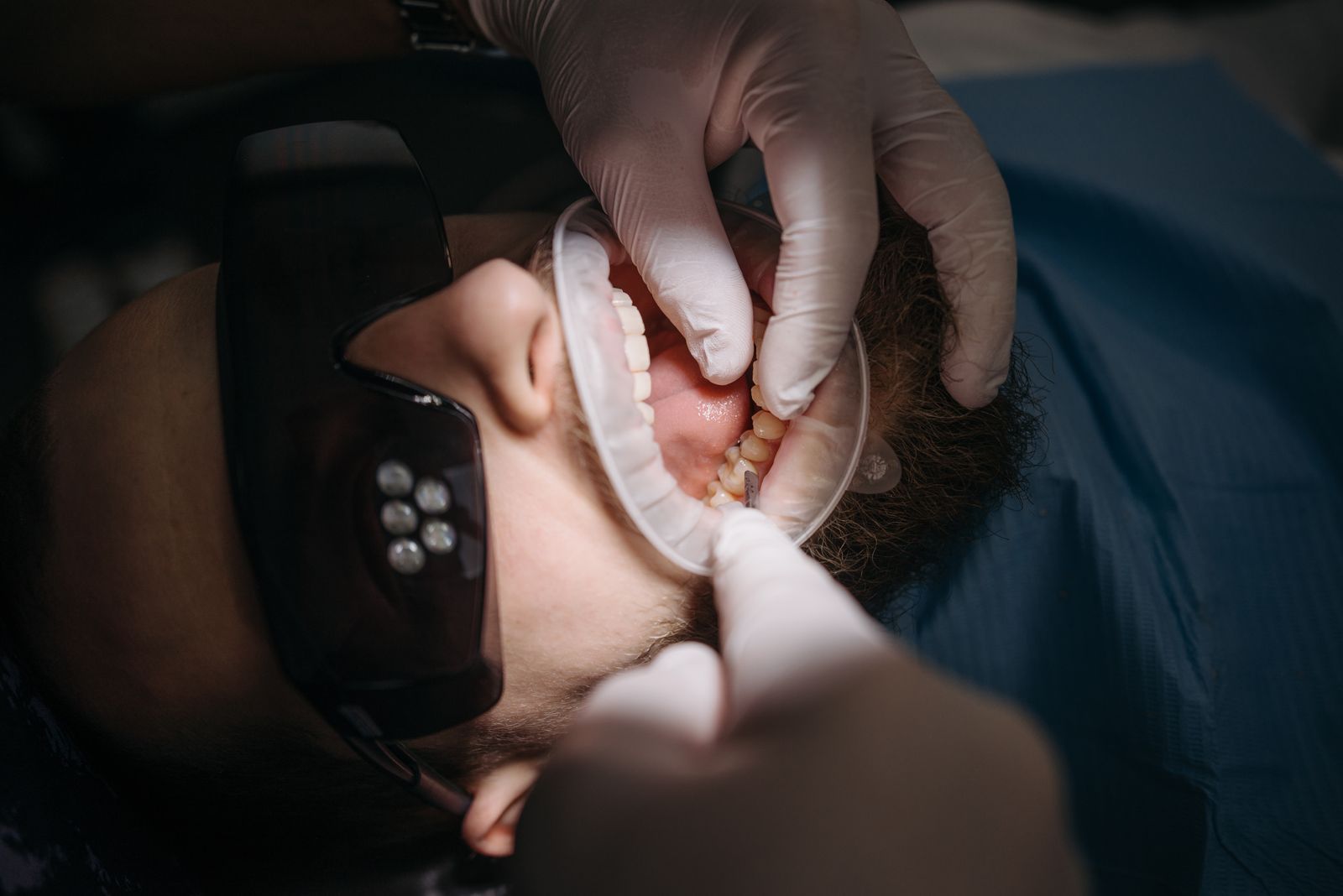
Photo by Pavel Danilyuk via Pexels
What a Toothache Actually Is
A toothache is a broad term for pain coming from a tooth or the area around it. It's a symptom, not a diagnosis, and the cause can be fairly minor or fairly serious. Common reasons a tooth hurts:
- A cavity that has reached the sensitive inner layer of the tooth.
- A cracked or chipped tooth, which often hurts when you bite down.
- A worn or lost filling that leaves the tooth exposed.
- Gum irritation, or food wedged tightly between two teeth.
- An inflamed nerve inside the tooth, which tends to react to hot and cold.
Many toothaches stay steady or settle, and some can wait a few days for a routine visit. What tells you it's more than a simple toothache is when the pain is joined by swelling, a bad taste, or the other signs below.
What an Abscess Is, and Why It's Different
An abscess is what happens when bacteria get past the tooth's defences and the body walls off the infection with a pocket of pus. It usually starts as an untreated cavity or a cracked tooth that lets bacteria reach the pulp (the nerve inside the tooth). From there the infection travels down to the tip of the root, or out into the gum, and the pressure of that trapped pus is what makes an abscess so distinctly painful.
The important difference is that an abscess is an active, spreading infection, not just a sore tooth. Left alone it doesn't tidy itself up; it looks for somewhere to drain, which is why a gum boil or a bad taste often appears. Our guide to a gum boil covers that draining bump, and our page on how a tooth abscess is treated goes deeper into how it forms and what happens next.
How to Tell Them Apart
Symptom for symptom, a lot overlaps, because both of them hurt. The signs that push a problem from "toothache" toward "abscess" are:
- Swelling of the gum, cheek, or jaw, or a tender lump you can feel.
- A pimple-like bump on the gum, sometimes leaking a bad or salty taste, a sign the infection is draining.
- Throbbing pain that starts on its own and often worsens when you lie down.
- A tooth that feels raised or sore to bite on, as if it has grown taller.
- A smell or taste that won't rinse away, or swollen glands under the jaw.
- Feeling generally unwell, or running a fever, alongside the tooth.
A plain toothache, by contrast, tends to be pain on its own: sensitive to cold, sore to something sweet, achy for a while, but without swelling, a bump, or that unwell feeling. If you have any of the abscess signs, treat it as an infection rather than a passing ache. Our guides to facial swelling from a tooth infection, a bad taste coming from one tooth, and telling a toothache from a dental emergency walk through where the line sits.
What to Do About Each One
For an ordinary toothache while you wait to be seen, an over-the-counter anti-inflammatory you tolerate, taken at the packet dose, usually does more than paracetamol, and keeping the area clean while avoiding very hot or cold food helps. Our guide to painkillers for a toothache covers what tends to work best.
An abscess needs a dentist, not just painkillers, and here is the honest part: waiting to see whether it settles on its own is usually the more expensive choice, not the cheaper one, because the infection rarely clears itself and the fix rarely gets smaller. The treatment is to clear the infection at its source, usually by draining it and then either a root canal to save the tooth, or removing the tooth if it is too far gone. Antibiotics on their own don't fix it. They can quiet the swelling for a while, but the infection sealed inside the tooth comes back until the tooth itself is treated. Our page on why antibiotics alone don't fix a tooth infection explains why.
When It's a Hospital Emergency, Not a Dentist
Most abscesses are treated calmly in a dental chair. A small number are not a dental appointment at all. Go straight to a hospital emergency room, not a clinic, if you have:
- Swelling spreading up toward your eye or down into your neck.
- Any difficulty breathing or swallowing, or a swelling pushing your tongue up.
- A high fever with chills alongside the tooth.
These are rare, but they're the reason an abscess isn't something to keep medicating for weeks and hope it fades. An infection that has escaped the tooth and started moving through the tissues of the face or neck is a medical emergency, and a dental chair is the wrong place for it. Our guide on how a tooth infection can spread to the rest of the body explains what's at stake.
If you have a tooth that's hurting and you're not sure whether it's a simple toothache or an abscess, call or WhatsApp us at 055-985-8845 and tell us how it's behaving. We'll tell you how soon you need to be seen, give you the price for your case before anything starts, and if it can safely wait, we'll say so. We're in Ramat Beit Shemesh, open Sunday to Thursday 8:00 AM to 8:00 PM and Friday 9:00 AM to 5:00 PM, with after-hours emergency treatment outside those hours. Our emergency dentist and same-day treatment pages explain how urgent visits work.
For guidance from sources with nothing to sell, the ADA's MouthHealthy explains what a dental abscess is and what to do about a toothache, and the American Association of Endodontists lists the symptoms that signal an inflamed or infected nerve.
Common questions
What is the main difference between a toothache and an abscess?
How do I know if my toothache is actually an abscess?
Will antibiotics cure a dental abscess?
Is a tooth abscess an emergency?
Can a tooth with an abscess still be saved?
Still not sure? Message us.
Send Dr. Gabriel Joel, DMD a quick description of what's going on and we'll point you in the right direction.
Message on WhatsAppDentist in Beit Shemesh — our dental clinic