
Is a Painful Lump on My Gum Serious? What It Usually Means
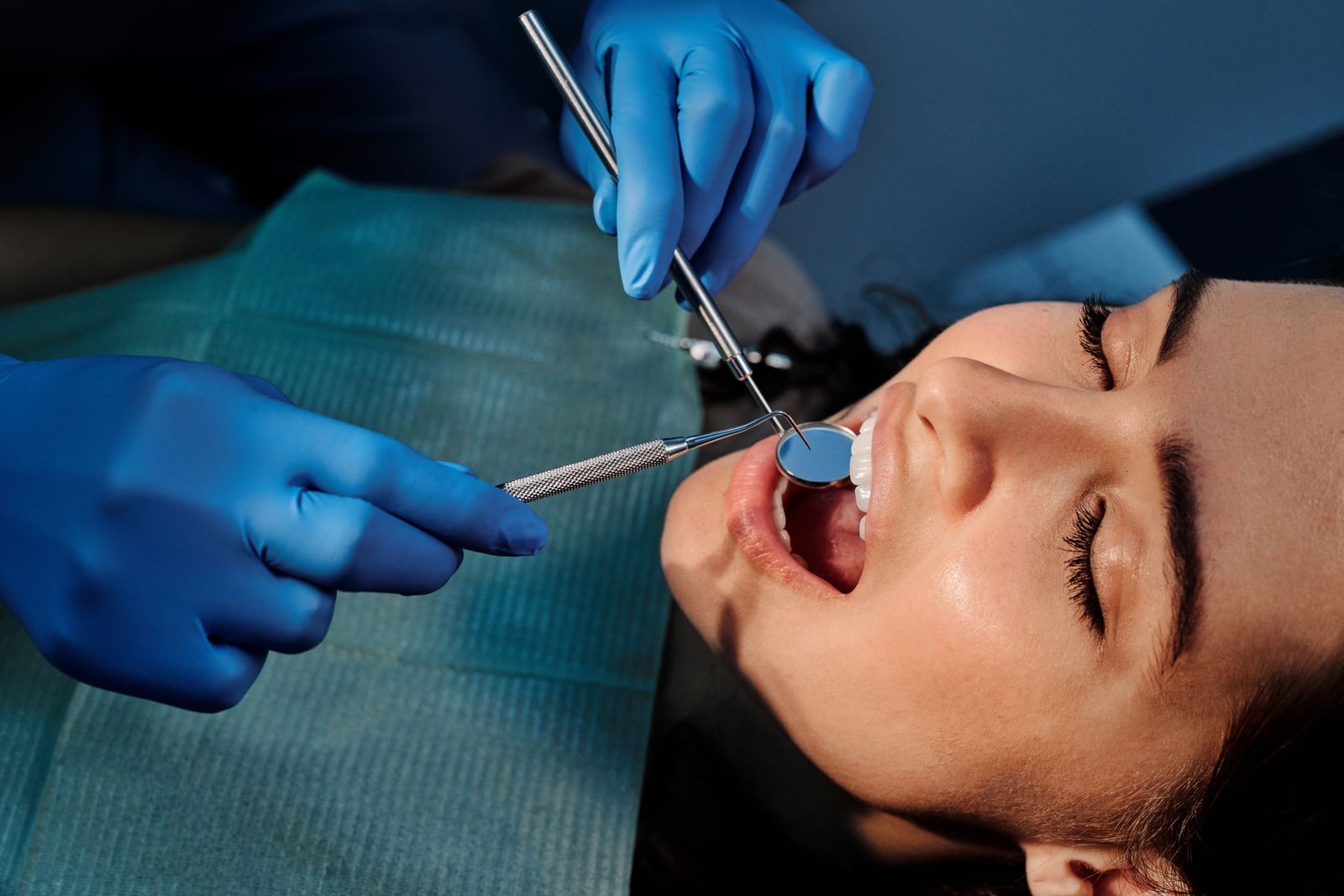
Photo by Cedric Fauntleroy via Pexels
What a Painful Lump on the Gum Usually Turns Out to Be
Nearly all of them fall into a short list, and where the lump sits tells us more than how big it is.
- A gum boil. A soft pimple on the gum beside a tooth rather than on its very edge. The nerve inside that tooth has died and the pus is draining out through a channel in the bone. It shrinks for a few days and comes back. What a gum boil actually is covers it in full.
- A periodontal abscess. Infection in a deep pocket alongside the root, starting in the gum rather than inside the tooth. The gum is swollen and tender to touch, the tooth can feel loose or high when you bite, and there is often a bad taste. It works differently from an abscess that starts inside the tooth, though the two can look identical from outside.
- An infected wisdom tooth. A flap of gum lying partly over a wisdom tooth traps food underneath it. Swollen, sore to bite on, and it often makes the jaw stiff to open.
- Something mechanical. A denture edge, a broken filling, a sharp corner of a cracked tooth, or food packing into one gap. The lump is a reaction rather than an infection, and it settles once the cause goes.
The Signs That Change the Answer
Most gum lumps are a dental appointment. A small number are a hospital, and the difference is whether the infection has stayed put.
- Swelling spreading into the cheek, up under the eye, or down into the neck
- Difficulty swallowing, a change in your voice, or any difficulty breathing
- Not being able to open your mouth more than a couple of fingers wide
- Fever, shivering, or feeling genuinely unwell rather than just sore
With any of those you go to a hospital emergency department, not to any dental clinic. We can drain a tooth. We cannot manage an airway. When a dental infection becomes a hospital emergency has the detail, and the ADA's page on dental abscesses agrees.
If It Starts on Thursday Night or Friday Morning
This is the practical problem in Beit Shemesh, and the one people misjudge. We are open Sunday to Thursday until 8:00 PM and Friday until 5:00 PM, Shabbat for emergencies only. A lump that appears on Sunday evening has a whole week ahead of it. A lump that appears on Thursday night has one Friday morning, and then nothing until Sunday.
So the Thursday-night version is worth a message that night rather than a wait-and-see, and Friday mornings fill early for this reason. Same-day appointments are possible. Hoping it quietly settles over Shabbat is a plan that works about as often as you would expect.
Waiting to find out whether it improves is usually the more expensive choice, not the cheaper one. A tooth with a draining infection is generally still savable. The same tooth after three weeks of swelling going up and down is often the one that comes out. If the swelling is climbing towards your eye at 2am, that is the Jerusalem emergency department, not us.
Why Squeezing It, or Antibiotics Alone, Does Not End It
Pressing on a gum boil until it releases does genuinely help for a day or two. The pressure drops and the pain with it. That is the trap: nothing has changed inside the tooth, and the channel fills again.
Antibiotics behave the same way. They push the infection back far enough for the swelling to go down, which is why a course from a doctor can feel like a cure. The dead nerve or the deep pocket is still there when the box is finished, and that is the most common reason a gum lump comes back a third time. Our piece on antibiotics and tooth infections explains why they are a bridge and not a fix.
The real fix is one of three, depending on where the infection starts: cleaning out and sealing the inside of the tooth, cleaning out the gum pocket, or taking the tooth out. Which one comes down to an X-ray and a probe around the tooth, not to how the lump looks from outside. What that appointment involves is on our tooth abscess treatment page for Beit Shemesh.
When You Do Not Need to See Us
Some lumps on the gum are not our problem, and it saves everyone a visit to say so.
- A hard, painless bony bump on the inside of the lower jaw or the roof of the mouth that has been there for years. That is bone. Mention it at your next check-up and otherwise leave it alone.
- A single ulcer after you bit your cheek or caught the gum with something sharp. Sore for a few days, gone inside two weeks, no dentist required.
- A tender gum on a teething toddler. Uncomfortable, normal, and not a dental emergency.
One exception runs the other way. Any lump or sore in the mouth that has not healed after two weeks needs looking at even if it does not hurt at all, and the painless ones are precisely the ones people leave. A sore is judged by how long it has been there, not by how bad it looks. Call us or your family doctor, whichever you can get into sooner. The ADA's gum disease page is a plain summary of what healthy gum tissue should and should not be doing.
If the lump is painful, or it has come and gone more than once, it is not going to sort itself out. Call or WhatsApp 055-985-8845. We are at Harav Kook 28/1 in Beit Shemesh, open Sunday to Thursday 8:00 AM to 8:00 PM and Friday 9:00 AM to 5:00 PM, with same-day appointments where we have them. Dr. Joel trained in the United States and treats in English and Hebrew, so you can describe it in the language you think in.
Common questions
Is a painful lump on my gum serious?
Will a lump on my gum go away on its own?
Can I pop a painful lump on my gum myself?
The lump on my gum stopped hurting. Is the infection gone?
Can I get seen the same day for a gum abscess in Beit Shemesh?
What is the difference between a gum boil and a periodontal abscess?
Could a lump on my gum be something more serious than an infection?
Still not sure? Message us.
Send Dr. Gabriel Joel, DMD a quick description of what's going on and we'll point you in the right direction.
Message on WhatsAppDentist in Beit Shemesh — our dental clinic