
Why Does My Jaw Hurt When I Chew? Causes and Next Steps
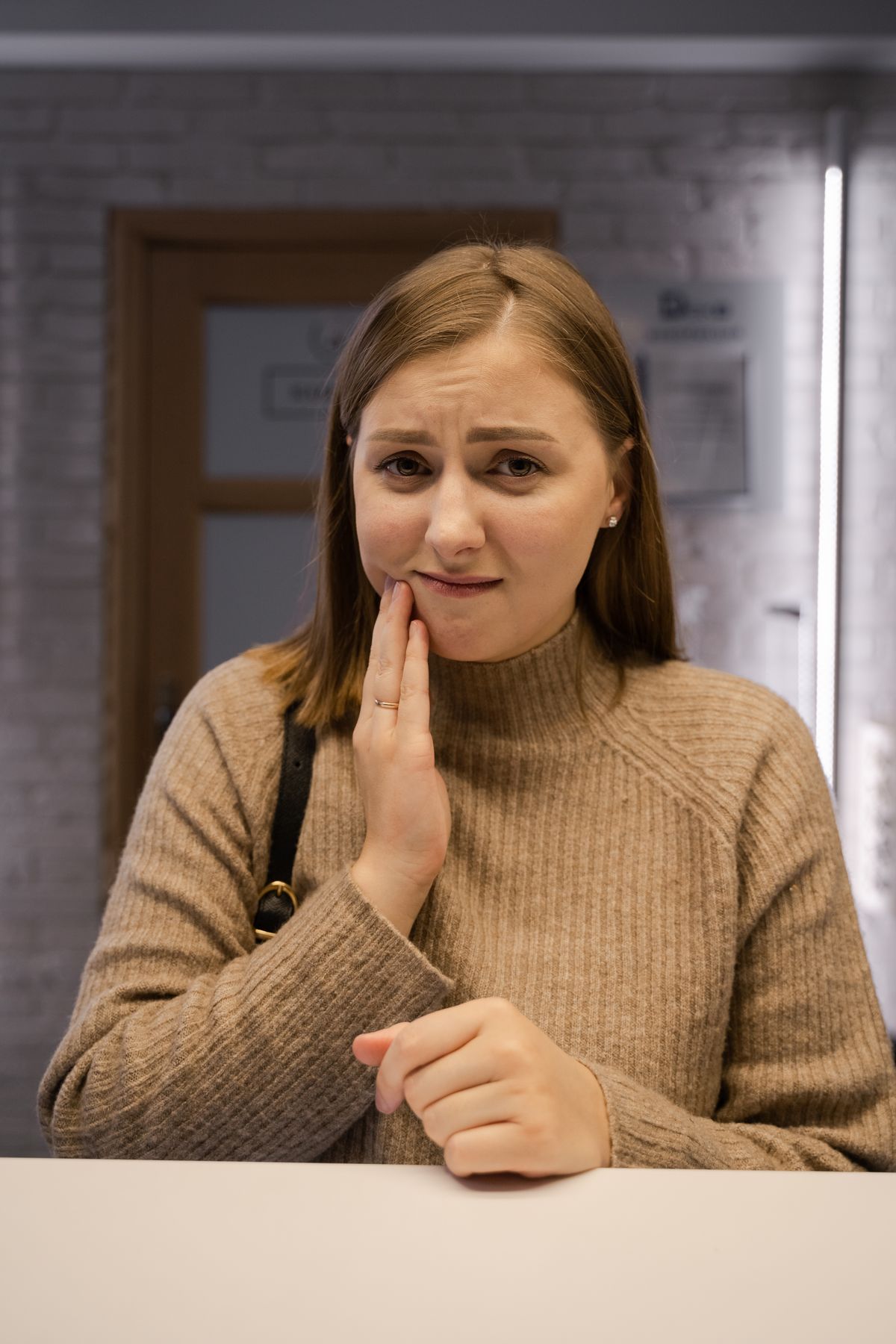
Photo by Pavel Danilyuk via Pexels
Why Chewing Is When It Hurts
Chewing presses the teeth together, squeezes the gums and moves the jaw joint, all while the muscles on both sides are working hard. A problem that is quiet at rest often shows itself under that load.
How the pain behaves tells you a lot. Pain on one bite, in one spot, points to a tooth. A dull ache across the whole side that builds through a meal points to muscle or joint.
The Usual Causes
- A cracked tooth. A sharp pain on biting, sometimes when you let go, is the classic sign. See tooth pain when biting and our post on the cracked tooth.
- A deep cavity or infection at the root. Pressure on an infected tooth hurts, and the pain can run along the jaw. See jaw pain from a tooth.
- A filling or crown that sits too high. One tooth meets the opposite tooth first and takes every bite. It is common after recent dental work and easy to fix.
- A wisdom tooth. One that is partly through the gum can be inflamed and make chewing sore. Our post on wisdom tooth pain covers it.
- The chewing muscles. Clenching or grinding tires them, and a tired muscle aches when asked to work. See grinding and tooth pain.
- The jaw joint (TMJ). The joint in front of the ear can be irritated, often with clicking or a catch when you open wide. See why the jaw pops.
- The sinuses. An inflamed upper sinus can make the upper back teeth ache on chewing, usually with a blocked nose or pressure behind the cheek.
Tooth, Muscle or Joint: A Rough Guide
- More likely a tooth: a sharp or throbbing pain you can point to, reacting to biting, hot or cold, sometimes waking you at night.
- More likely muscle: a dull ache across the cheek and temple that is worse at the end of a meal or the end of the day, tender when you press the muscle.
- More likely joint: pain in front of the ear, clicking, or the jaw catching or deviating as you open.
This is a guide, not a diagnosis. Plenty of people have two of these together, and a tooth check is worth doing even when it feels like a muscle. Our general post, why does my jaw hurt, goes through the wider picture, and one-sided jaw pain has its own.
What to Do Until You Are Seen
- Soft food for a few days: eggs, rice, soup that is warm rather than hot, yoghurt.
- Chew on the side that does not hurt, and avoid hard, chewy or very large bites.
- Keep your teeth apart at rest, with your lips together.
- A warm damp cloth on the aching muscle for ten minutes, a few times a day.
- Paracetamol or ibuprofen if you can normally take them, as the label says.
- Do not click, stretch or crack the jaw to test it.
If it is muscle, it should ease over several days. If it is the same after a week, or the pain clearly lives in one tooth, book a check.
When It Starts on a Friday in Beit Shemesh
A tooth that hurts on chewing tends to get worse, and it has a way of doing so on Friday afternoon. Our clinic at Harav Kook 28/1 is open Sunday to Thursday 08:00-20:00 and Friday 09:00-17:00, and Shabbat is for genuine emergencies only. Same-day appointments are usually possible, so a bite that hurts on Thursday does not have to be carried through Shabbat. We treat in Hebrew and English, which helps when you are trying to say exactly which bite hurts and when.
Signs That Should Not Wait
- Jaw pain with chest pressure, shortness of breath, sweating or pain spreading down the arm, especially when it comes on with effort. Call Magen David Adom on 101. Jaw pain can be a heart symptom, and a dentist is the wrong address.
- Jaw pain when chewing in someone over 50, with a new headache, a tender scalp or any change in vision. See a doctor the same day. This is a different condition and it needs a doctor, not a dentist.
- Difficulty breathing or swallowing, or swelling that spreads under the chin or toward the eye. Go to the nearest emergency room.
- Swelling in the cheek or under the jaw, with or without a fever. Get seen the same day. Our page on tooth abscess treatment in Beit Shemesh explains what that involves.
- The jaw is stuck open or shut. See what to do when the jaw locks.
Chewing pain with no swelling, no fever and none of the above is rarely an emergency and can usually wait for a normal appointment. The ADA MouthHealthy page on TMJ and the AAOMS page on TMJ disorders give the same advice.
What Happens at the Visit
We ask which bite hurts, which side and since when, then check the teeth, the gums, how your bite meets and how far the jaw opens. An X-ray follows if a tooth is a suspect. If a filling is high we adjust it, which takes minutes. If a tooth is cracked or infected we treat it, often the same day. If it is muscle or joint we say so, and for clenching that keeps returning we can make a night guard, described on our night guard page.
Not sure which group you are in? Message Urgent Dental Care, Harav Kook 28/1, Beit Shemesh, on WhatsApp at 055-985-8845 and describe it. We will tell you whether it needs a visit or a few soft meals. If you are in Ramat Beit Shemesh, see our emergency dentist page for Ramat Beit Shemesh.
Common questions
Why does my jaw hurt when I chew but my teeth feel fine?
Can a cracked tooth make my whole jaw hurt when I chew?
Could a new filling or crown be why chewing hurts?
Is jaw pain when chewing a sign of a heart problem?
Should I stop chewing completely until it is checked?
Can I be seen the same day in Beit Shemesh for jaw pain on chewing?
Still not sure? Message us.
Send Dr. Gabriel Joel, DMD a quick description of what's going on and we'll point you in the right direction.
Message on WhatsAppDentist in Beit Shemesh — our dental clinic