
Can Grinding Your Teeth Cause Tooth Pain? Signs and Fixes
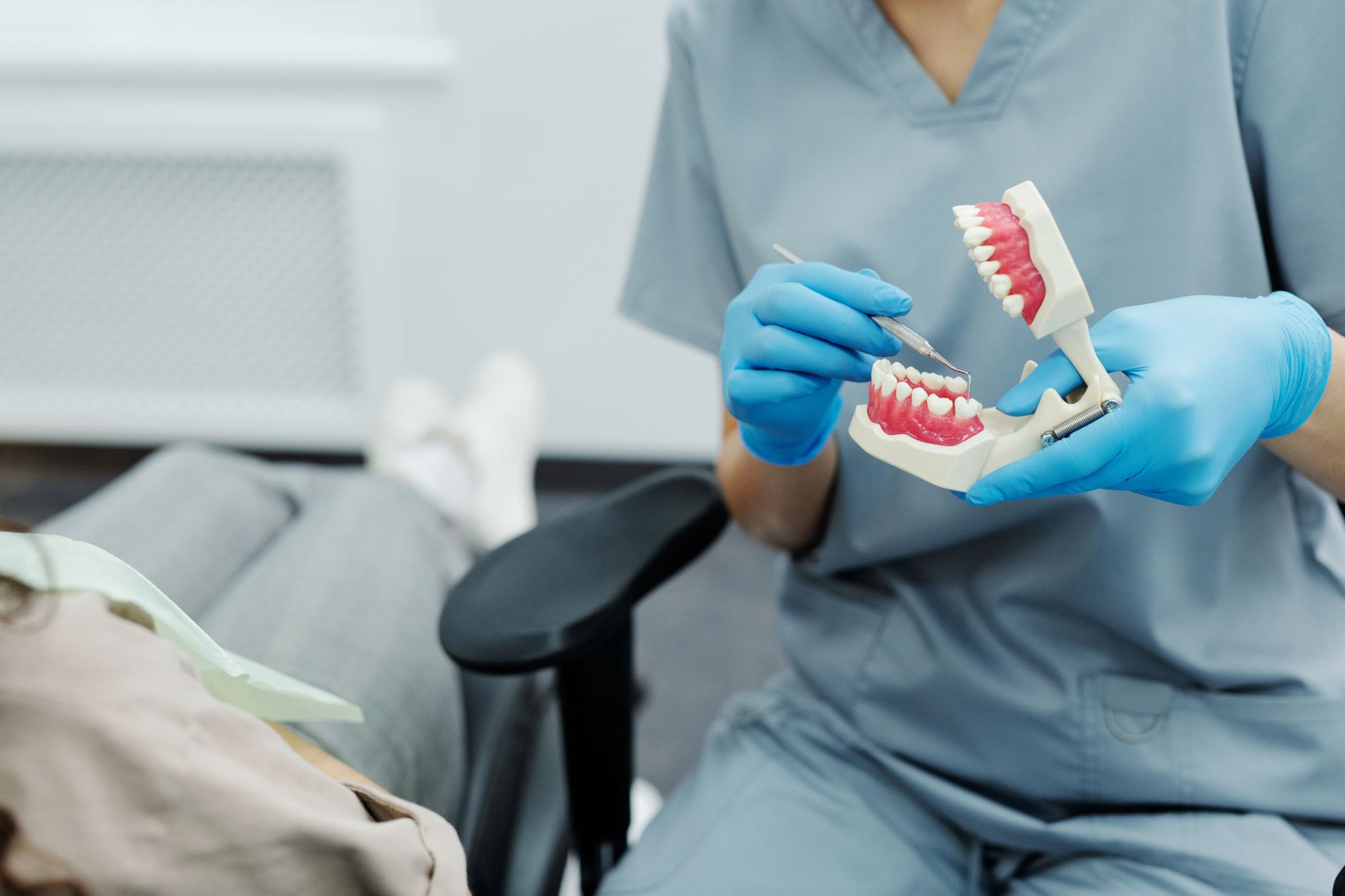
Photo by Cedric Fauntleroy via Pexels
How Grinding Causes Tooth Pain
Bruxism is grinding or clenching your teeth without meaning to. In the daytime it is often a stress habit you catch yourself doing. At night it happens in your sleep, which is why most people who grind have no memory of it and only notice the aftermath.
The force is the problem. A hard clench can load a tooth with several times the pressure of a normal bite, and it can go on for hours across a night. That strain irritates the ligament holding each tooth in its socket, wears the enamel thin, and over time can flex and crack a tooth. Teeth that feel tender first thing in the morning and settle as the day goes on are the classic pattern.
Signs Your Pain Is Coming From Grinding
No single sign proves it, but the picture usually points one way. Grinding pain tends to look like this:
- Several teeth ache or feel tender, rather than one sore spot.
- It is worst in the morning and eases as the day goes on.
- Teeth are sensitive to cold as the enamel wears thinner.
- Your jaw, temples, or the muscles in front of your ears feel tight or sore.
- The edges of your teeth look flattened, shiny, or chipped.
- Someone hears you grinding at night, or you wake with a tired, stiff jaw.
Several tender teeth and a stiff jaw that are both worst first thing in the morning point strongly at grinding. Our post on jaw pain coming from a tooth covers how the teeth and jaw pull on each other.
When It's Grinding, and When It's Something Else
Grinding pain spreads. It usually affects several teeth, often on both sides, and it comes and goes with how hard you have been clenching. A cracked or infected tooth behaves the opposite way: it locks onto one tooth and stays there.
If one tooth gives a sharp jolt when you bite down and release, grinding may already have cracked it, and our guide on tooth pain when biting down explains that pattern. Cold sensitivity that lingers on a single tooth is worth checking too, as our note on a tooth sensitive to cold describes. But if a tooth throbs on its own, swells, or leaves a bad taste, that is infection, not grinding, and it needs to be seen.
What Actually Helps
Grinding is a habit your body does on autopilot, so the aim is to cushion the force and calm the muscles rather than to will yourself to stop. What helps:
- A custom night guard from a dentist. This is the main fix. It sits between your teeth and takes the force that would otherwise wear and crack them.
- Chemist night guards can help in the short term, but they fit loosely and wear through quickly, so they are a stopgap rather than a solution.
- Ease the triggers where stress is the driver: less caffeine, and catching yourself unclenching during the day.
- A warm compress and gentle massage on the jaw muscles ease morning soreness.
- A painkiller you tolerate at the packet dose for the ache while you sort it out. Our note on which painkillers actually help covers the options.
- Fix any damage already done, such as a worn filling or a cracked tooth, so it does not turn into a bigger repair.
A night guard does not stop you grinding. It protects your teeth from the grinding you are already doing, which is usually the part that matters.
When to See Us, and When It Can Wait
Grinding itself is rarely an emergency. If your only symptom is mild jaw stiffness or a couple of tender teeth in the morning that fade by lunchtime, that is not something to rush in for. Mention it at your next routine check-up so it can be watched and a night guard fitted before it does real damage. You do not need an emergency appointment for an occasional stiff jaw, and we will tell you as much.
Come in sooner if a tooth has visibly chipped or cracked, one tooth gives sharp pain when you bite, cold sensitivity settles on a single tooth and lingers, or your jaw starts locking or clicking painfully. Waiting on a tooth that grinding has cracked usually turns a small repair into a bigger one, so it is worth catching early. If a tooth is throbbing, swollen, or leaving a bad taste, that is infection rather than grinding and should be seen the same day.
Not sure whether grinding is behind your pain, or whether it has damaged a tooth? Call or WhatsApp us at 055-985-8845 and describe what you are feeling. If it sounds like nothing more than a habit to watch, we will say so rather than book you in. If a tooth needs attention, we will see you and sort it out. The clinic is at Harav Kook 28/1 in Ramat Beit Shemesh, about half an hour from most of Jerusalem, open Sunday to Thursday 8:00 AM to 8:00 PM and Friday 9:00 AM to 5:00 PM, with after-hours emergency treatment outside those hours. You see Dr. Gabriel Joel, DMD, who trained in the United States, and the whole visit can be in English. Our cracked tooth repair page and emergency dental care page explain how visits work.
For independent guidance, the ADA's MouthHealthy explains what teeth grinding does and how it is managed, and the American Association of Endodontists has plain-language information on cracked teeth and how they are treated.
Common questions
Can grinding my teeth really cause tooth pain?
Why do my teeth hurt more in the morning?
How do I know if I grind my teeth in my sleep?
Does a night guard stop teeth grinding?
Can grinding crack a tooth?
Should I see a dentist for teeth grinding?
Still not sure? Message us.
Send Dr. Gabriel Joel, DMD a quick description of what's going on and we'll point you in the right direction.
Message on WhatsAppDentist in Beit Shemesh — our dental clinic