
How Long Should You Wait for a Crown After a Root Canal
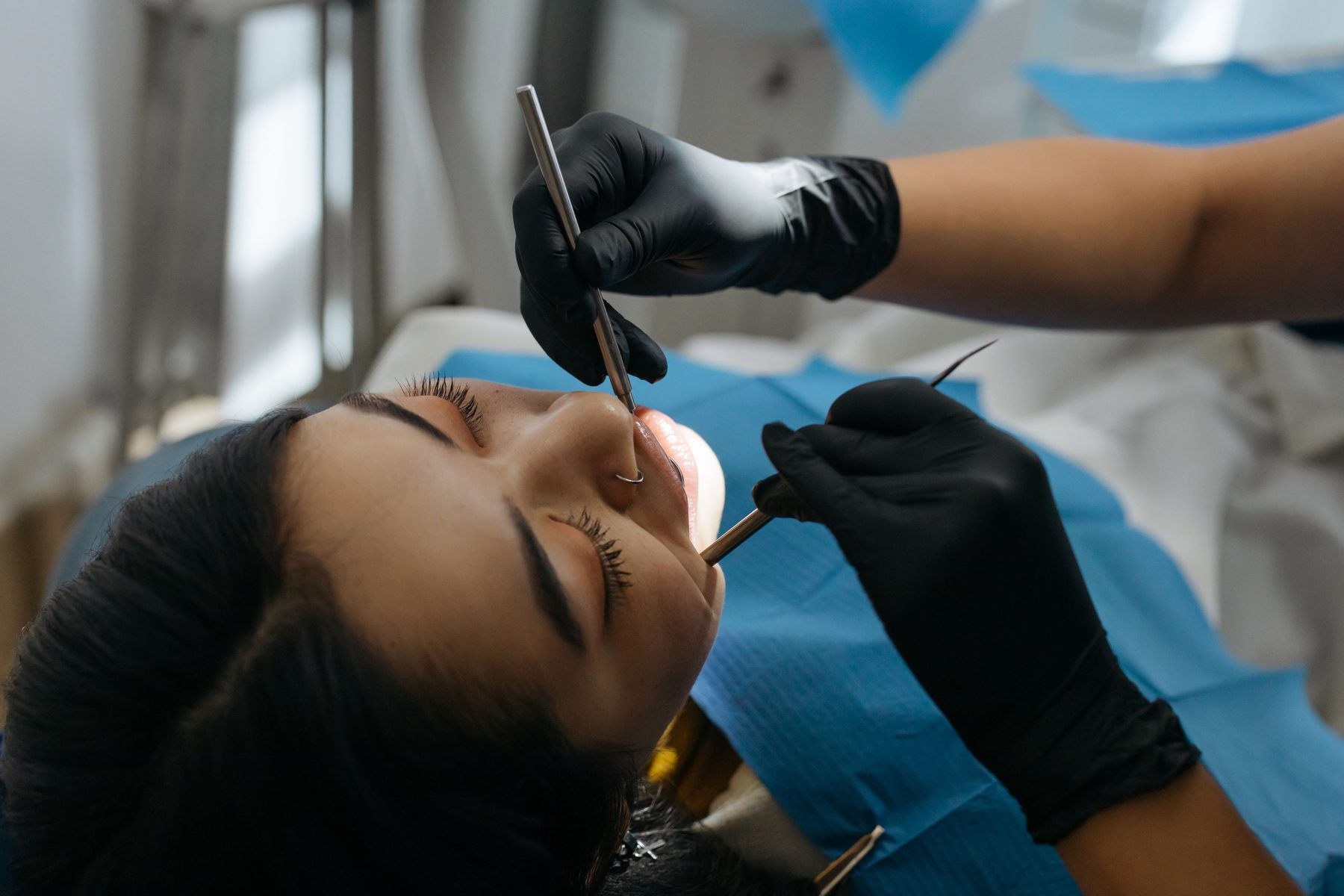
Photo by cottonbro studio via Pexels
Why there's a wait at all
A root canal cleans the infected nerve out of the inside of the tooth and seals the canals. Once that is done, the top of the tooth still needs a permanent cover, and on most back teeth that cover is a crown. The gap between the two steps is not the dentist being slow. It is usually there for a reason.
If the tooth was infected going in, the dentist often seals it with a temporary filling and gives it a week or two to settle, so any lingering soreness or low-grade infection has a chance to quiet down before the tooth is committed to a permanent crown. There is a second, more practical reason too: a lab-made crown has to be built. The dentist takes an impression or a digital scan, and a technician makes the crown to fit, which usually takes one to two weeks. Some clinics mill a crown in-house the same day, which shortens the wait but does not remove the need to let an infected tooth settle first. None of this changes the root canal itself. The wait is about protecting the result afterward.
Same day, a few weeks, or longer
There is no single number, because the timing tracks the tooth. A rough guide:
- A calm tooth with no infection. The crown prep can follow soon after the root canal, sometimes at the same visit or the next one. If the clinic mills crowns in-house, this can be a same-day crown.
- A tooth that was infected. The dentist may seal it and let it settle for a week or two, occasionally longer, before fitting the crown. Rushing a crown onto a tooth that is still flaring up can trap the problem underneath.
- A badly broken-down tooth. If there is not much solid tooth left, it usually needs a build-up first — a post and core to rebuild enough structure for the crown to sit on. That is an extra step, and an extra line on the bill.
- A lab crown versus a same-day one. A crown made at an outside lab adds one to two weeks for fabrication; a milled crown can be fitted the same appointment.
So the honest answer to how long you wait is anywhere from the same day to a few weeks, and the right number for your tooth comes from the exam, not a general rule.
The temporary filling in between
Between the root canal and the crown, the tooth is usually held together by a temporary filling. It does its job, but it is temporary on purpose, softer than a permanent restoration and not built to take heavy chewing for long. Treat it gently while you wait.
- Chew on the other side where you can, especially for the first few days.
- Skip sticky and hard foods that can pull the temporary out or crack the weakened tooth.
- Keep the area clean, brushing normally but carefully around it.
If the temporary filling falls out before the crown goes on, do not just leave it — the open tooth can let bacteria back down toward the canals. Our guide on a temporary filling that has fallen out covers what to do in the meantime, and the general advice on what to eat after a root canal applies to the whole waiting period, not just the first night.
What happens if you wait too long
A few weeks between the root canal and the crown is normal. A few months is where teeth get lost. A root-canalled back tooth is more brittle than a living one, and under a temporary filling it has none of the reinforcement a crown gives. Left like that, it can crack under an ordinary bite, and a crack that runs below the gum often means the tooth cannot be saved at all. That turns a fixable tooth into an extraction.
The long delay also lets bacteria seep back in around the temporary filling, and the infection can return even when the canal work was done perfectly. That is one of the ways a treatment ends up looking like an incomplete root canal when the real problem was a missing crown. Waiting to see whether the tooth holds up on its own is usually the more expensive choice, not the cheaper one, because the crown costs a fraction of losing the tooth. If cost is the reason the crown keeps getting pushed off, it is worth talking through before the tooth cracks rather than after. Whether a crown is needed at all is covered in do you need a crown after a root canal.
When to check it, and when it isn't us
If a dentist you trust has already crowned a treated tooth and it is comfortable, you do not need it redone because you read an article. A settled, crowned tooth is doing its job; leave it be. If a crowned tooth starts to ache or the gum beside it swells, that is worth having looked at, because it can mean infection under the crown rather than a problem with the timing.
And some things do not belong in a dental chair at all. Facial swelling spreading up toward your eye or down into your neck, trouble breathing or swallowing, or a high fever with chills is a medical emergency — go to a hospital emergency room now, not to us. For the ordinary case of a treated tooth waiting for its crown, a few weeks is fine and a phone call sorts out the timing.
If you have had a root canal and are not sure when the crown should go on, or the wait has stretched longer than it should have, call or message us on WhatsApp at 055-985-8845. We are open Sunday to Thursday 8:00 AM to 8:00 PM and Friday 9:00 AM to 5:00 PM, with after-hours emergency treatment outside those hours. At our clinic in Ramat Beit Shemesh the root canal, the build-up, and the crown are done in one place, so the timing is coordinated rather than bounced between a referral and a second fee.
For background from sources that are not trying to sell you anything, the American Association of Endodontists explains the procedure on its page about root canal treatment, and the ADA's MouthHealthy has a plain overview of what a dental crown is.
Common questions
How long should I wait for a crown after a root canal?
Can I get the crown the same day as the root canal?
What happens if I wait too long to get a crown after a root canal?
Is it okay to leave a tooth with just a temporary filling?
Why can't the crown go on straight after the root canal?
Does the tooth hurt while I wait for the crown?
Still not sure? Message us.
Send Dr. Gabriel Joel, DMD a quick description of what's going on and we'll point you in the right direction.
Message on WhatsAppDentist in Beit Shemesh — our dental clinic