
Temporary Filling Fell Out: Is It a Dental Emergency?
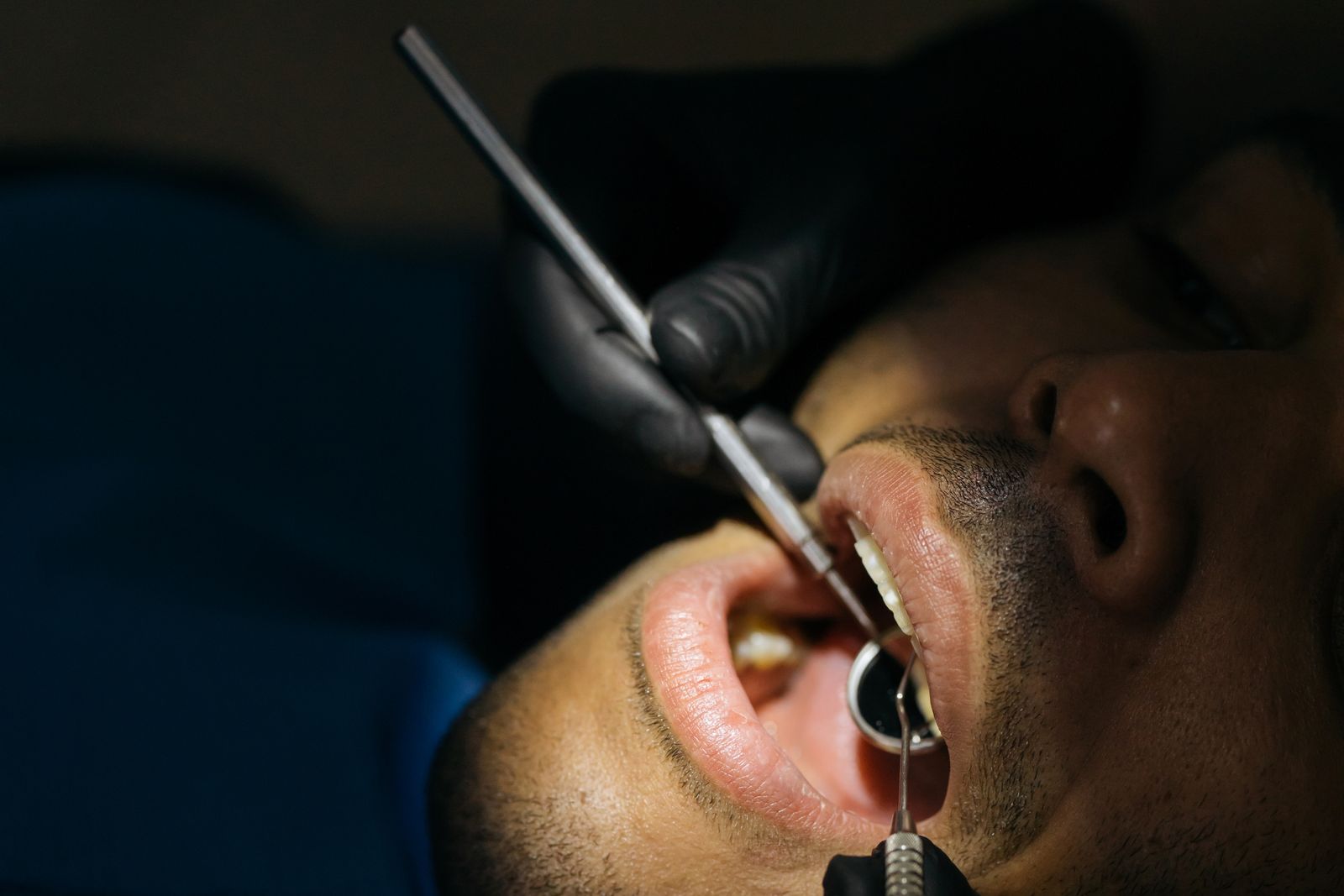
Photo by cottonbro studio via Pexels
Is a Lost Temporary Filling an Emergency?
Almost always, no. A temporary filling is a short-term seal, and losing one is common enough that it rarely means something has gone wrong. The tooth underneath is usually mid-treatment, often after the first stage of a root canal, waiting for its permanent filling or crown. Without the temporary in place the tooth is exposed, but exposure for a short time is not dangerous.
What matters is not panicking, and not ignoring it either. Left open for weeks, the tooth can get sensitive, collect food, and let bacteria back into a canal that was just cleaned. Left for a few days while you arrange to be seen, it is generally fine. So treat a lost temporary as a this-week job, not a tonight job, unless the red flags further down apply.
Why the Tooth Still Needs Sealing
The temporary filling is doing a real job even though it is meant to be replaced. It keeps saliva, food, and bacteria out of the inside of the tooth between visits. During a root canal, the canals are cleaned and disinfected, and that seal is what stops them being recontaminated before the permanent restoration goes on.
When the seal is gone, a few things can happen if it is left too long:
- Bacteria and debris work back into the tooth, which can undo some of the cleaning and, at worst, mean part of the treatment has to be repeated.
- The tooth becomes sensitive to cold, air, and sweet things, because the inner surfaces are exposed.
- A sharp edge left behind can catch your tongue or cheek.
None of that happens in an afternoon. It is simply why the tooth wants resealing within days rather than being left open indefinitely.
What to Do Until You Are Seen
A few simple things keep the tooth comfortable and protected while you arrange an appointment:
- Keep the area clean. Rinse gently with warm salt water after meals to clear out food.
- Chew on the other side so nothing packs into the open tooth.
- Avoid sticky, hard, and very sweet food, which either lodges in the cavity or sets off sensitivity.
- For sensitivity or a mild ache, an over-the-counter painkiller like ibuprofen, taken as directed, helps.
If you want a stopgap, pharmacies sell temporary dental filling material, a soft putty you press into the cavity. It is fine for a day or two to cover a sharp edge or a sensitive hole, but it is not a fix and it does not replace being seen. Do not reach for household superglue, however tempting; it is not made for the inside of a mouth, and it makes our job harder when you do come in. Keep any piece of filling that came out if you still have it, though we rarely need it.
When a Lost Temporary Is More Urgent
Most of the time this is a minor problem. A few signs mean it is worth calling sooner rather than waiting for the week to fill up:
- Throbbing pain that is building rather than settling.
- Swelling of the gum, cheek, or face.
- A bad taste or discharge coming from the tooth.
- A fever alongside any of the above.
Those suggest the tooth or the area around it is becoming infected, and that should be seen promptly rather than sat on. If swelling is spreading across your face or into your neck, or you have trouble swallowing or breathing, that is past a dental appointment. Go to a hospital emergency room, because a spreading infection is dangerous whatever started it. Our guide to when a toothache is a real emergency helps you judge the difference.
Getting the Temporary Replaced
Replacing a temporary filling is quick and straightforward. We clean out the cavity, check that nothing has gone wrong underneath, and place a fresh seal so treatment can carry on as planned. If you were already close to the final restoration, sometimes it makes sense to move straight to the permanent filling or crown instead of another temporary.
If the temporary came out of a tooth mid root canal, we make sure the canal is still clean before resealing it. You can see where the temporary fits into the wider picture in our step-by-step of a root canal, and what sensible aftercare looks like in what to eat after a root canal. If the tooth has been aching since a recent filling more generally, tooth pain after a filling covers what is normal and what is not.
If your temporary filling has fallen out, call or WhatsApp 055-985-8845 and we will get it resealed. We are in Ramat Beit Shemesh, open Sunday to Thursday 8:00 AM to 8:00 PM and Friday 9:00 AM to 5:00 PM, with after-hours emergency treatment outside those hours. If you are in pain or worried it has become infected, say so when you call and we will see you sooner. Our dental first aid page explains how we handle urgent problems like this.
For independent guidance, the ADA's MouthHealthy explains how dental fillings work, and the American Association of Endodontists covers what to expect after root canal treatment when a temporary is protecting a tooth mid-treatment.
Common questions
Is it an emergency if my temporary filling fell out?
How long can I leave a tooth without a temporary filling?
What can I do if my temporary filling fell out and I can't get in yet?
Does it hurt when a temporary filling comes out?
Will I need the whole root canal redone if the temporary fell out?
Can I use pharmacy temporary filling material myself?
Still not sure? Message us.
Send Dr. Gabriel Joel, DMD a quick description of what's going on and we'll point you in the right direction.
Message on WhatsAppDentist in Beit Shemesh — our dental clinic