
Emergency Root Canal: Signs You Need One Right Away
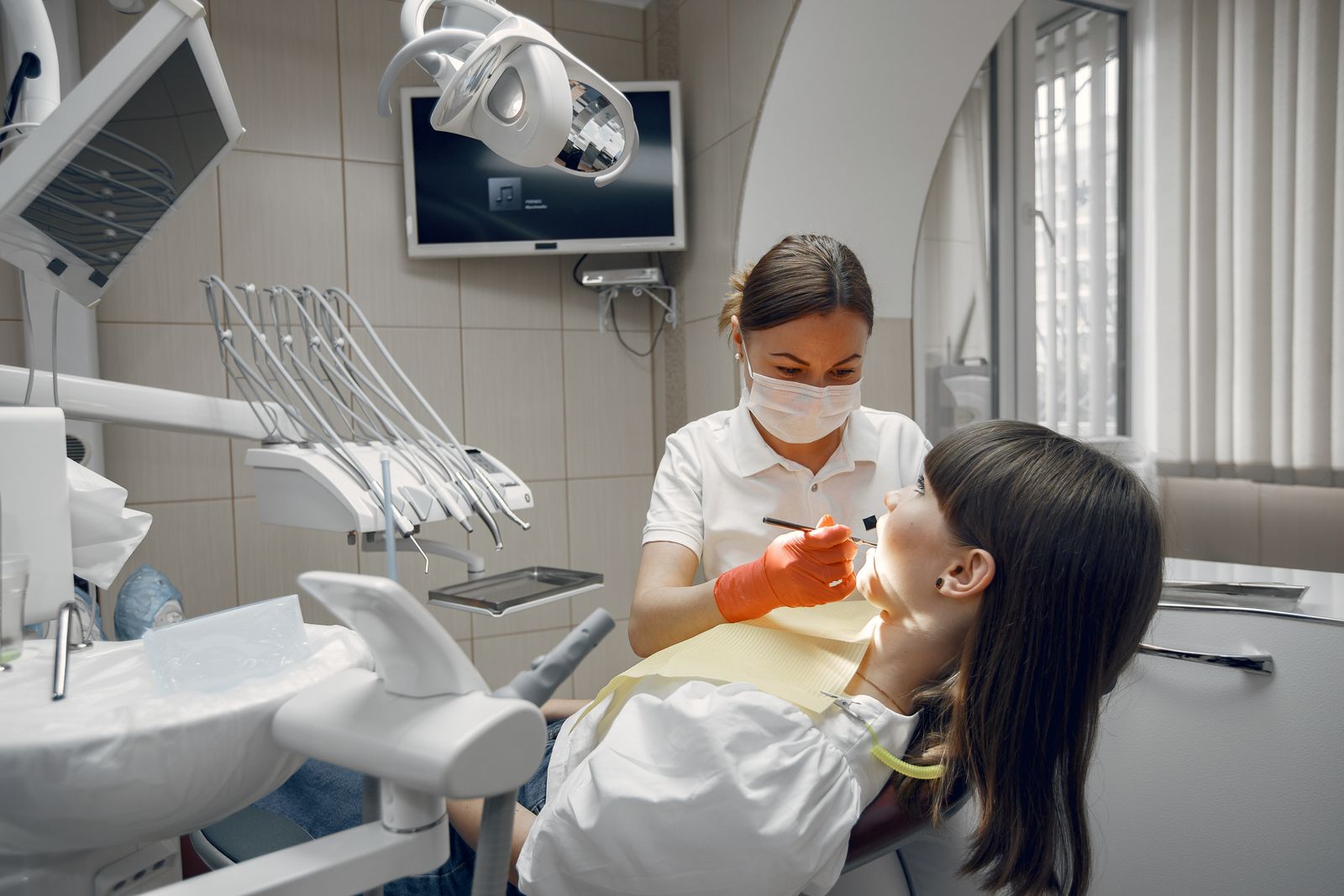
Photo by Gustavo Fring via Pexels
What an Emergency Root Canal Actually Is
A root canal treats the inside of the tooth. When bacteria reach the pulp (the nerve and blood supply inside the tooth) through a deep cavity, a crack, or a filling that has failed, the nerve gets inflamed or infected, and that is what produces the deep, relentless ache. The treatment cleans that infected tissue out of the canals inside the root, disinfects the space, and seals it. Our full walk-through of what a root canal involves covers each step.
The word emergency just means it's being done to relieve pain or infection that can't wait for a routine appointment, not that it's a different procedure. Often the urgent visit is about opening the tooth to release the pressure and settle the infection, which takes the pain away, with the canals finished and sealed at a follow-up. That's why an emergency root canal can bring relief the same day even when the whole job isn't done in one go. Some cases are completed start to finish in one visit; our page on a same-day root canal explains when that's possible.
Signs You Need a Root Canal Urgently
Not every toothache is a root canal, but a few patterns point to a nerve that's inflamed or infected and won't settle on its own:
- Severe, throbbing pain that keeps you awake or wakes you at night. Our guide to a toothache at night covers why it peaks in bed.
- Pain that lingers for more than a few seconds after something hot or cold, or a tooth that aches on its own with no trigger.
- A sharp jolt or deep ache when you bite down and let go.
- Swelling in the gum, face, or jaw, or a pimple-like abscess on the gum that leaks a bad taste.
- A tooth that was in agony and then went quiet, which can mean the nerve has died rather than healed.
If any of these have been going on, the tooth needs an X-ray, not another night of painkillers. Antibiotics can quiet a flare-up, but they don't fix the tooth; our guide on why antibiotics alone don't cure a tooth infection explains why the source still has to be treated.
What to Do Until You're Seen
While you're arranging to be seen, you can take the edge off:
- Take an over-the-counter painkiller you normally tolerate, at the dose on the packet. Our guide to painkillers for a toothache covers what tends to work.
- Keep your head propped up, including at night. Lying flat raises the pressure in the tooth, which is why the pain often peaks in bed. More on sleeping with a toothache.
- Use a cold compress on the outside of the cheek for swelling.
- Avoid very hot, very cold, and hard foods on that side.
Don't put an aspirin directly against the gum; it burns the tissue and does nothing for the tooth. And don't read the pain fading as a sign it's fixed. With an infected nerve, silence usually means the nerve has died, not that the problem has gone.
What Happens in an Emergency Visit
The first thing at an emergency visit is getting you numb and comfortable, then finding out what's actually going on with an X-ray. If it's a nerve that's inflamed or infected, opening the tooth to clean out the pulp and release the pressure is often what takes the pain away, sometimes within the same appointment. Depending on how much infection there is, the tooth is either finished and sealed that day or left settling under a temporary seal and completed at a follow-up.
If you're bracing for the worst, you're not alone, and it's usually not what the reputation suggests. A patient we'll call Mrs. Esther had a root canal here and asked us to pass on her thanks afterward; her mother, who is a dentist herself, saw the photos from the procedure and was impressed with the work. People walk in expecting the horror story and leave surprised. A modern root canal is done under proper anaesthetic, and our guides on whether a root canal actually hurts and staying numb through it cover what to expect.
When It's a Hospital Emergency, Not a Dental One
Most infected, painful teeth are miserable but safe to treat in a dental chair over the next day or two. A small number are not, and these belong in a hospital emergency room, not here. Go straight to a hospital if you have:
- Swelling spreading up toward your eye, or down into your neck.
- Any difficulty breathing or swallowing, or a change in your voice.
- Swelling on the floor of the mouth that is pushing your tongue up.
- A high fever with chills, or feeling seriously unwell.
Those signs mean the infection is moving into spaces where it can threaten the airway, and a hospital can give intravenous antibiotics and manage that in a way a clinic cannot. This is rare. But it's exactly why a tooth infection is not something to sit on for weeks. Our guide to facial swelling from a tooth walks through where the line is.
The Cost, and Whether It's Worth Doing Now
It's fair to wonder whether an urgent visit costs more, and whether you should just wait for the pain to pass. Waiting to see whether a tooth settles on its own is usually the more expensive choice, not the cheaper one. An infected nerve doesn't heal; left long enough, a tooth that a root canal could have saved slides into an extraction, and then you're paying to replace the tooth on top of everything. Getting the infection dealt with early is what keeps the tooth in the save-it column.
We'll tell you what the tooth needs and give you the cost before anything starts. If it's genuinely something that can wait for a routine appointment, we'll say so rather than treat it as an emergency. And if the tooth is too far gone to save, we'll tell you that too, instead of selling you a root canal that won't hold. Our guide on what happens if you skip a root canal lays out the trade-off honestly.
Getting Seen in English in Beit Shemesh
If your Hebrew is fine for the shops but not for words like pulp, abscess, and drainage, you can do the whole visit in English here. Dr. Joel trained and qualified in the United States, so describing what the tooth has been doing, hearing whether it can be saved, and asking whatever you actually want to ask all happen in a language you're comfortable in. When you're in pain and trying to decide fast, not having to translate for yourself is a real relief.
We're in Ramat Beit Shemesh and see patients from across the wider area, not only local residents, and you don't need to be registered with us in advance.
If you have a tooth that's throbbing, keeping you up at night, sore to bite on, or swelling, call or WhatsApp us at 055-985-8845 and send a photo if you can. We'll tell you how soon you need to be seen, give you the cost before anything starts, and if it can safely wait, we'll say so. We're in Ramat Beit Shemesh, open Sunday to Thursday 8:00 AM to 8:00 PM and Friday 9:00 AM to 5:00 PM, with after-hours emergency treatment outside those hours. Our emergency dentist, root canal, and same-day treatment pages explain how we handle urgent visits.
For guidance from sources with nothing to sell, the American Association of Endodontists explains root canal treatment and the symptoms behind an infected tooth, and the ADA's MouthHealthy covers what counts as a dental emergency.
Common questions
What is an emergency root canal?
How do I know if I need a root canal urgently?
Can an emergency root canal be done the same day?
Does an emergency root canal hurt?
What can I do for the pain until I'm seen?
Will antibiotics fix it instead of a root canal?
When should I go to hospital instead of a dentist?
Still not sure? Message us.
Send Dr. Gabriel Joel, DMD a quick description of what's going on and we'll point you in the right direction.
Message on WhatsAppDentist in Beit Shemesh — our dental clinic