
Laser Root Canal Treatment: What It Does and Doesn't
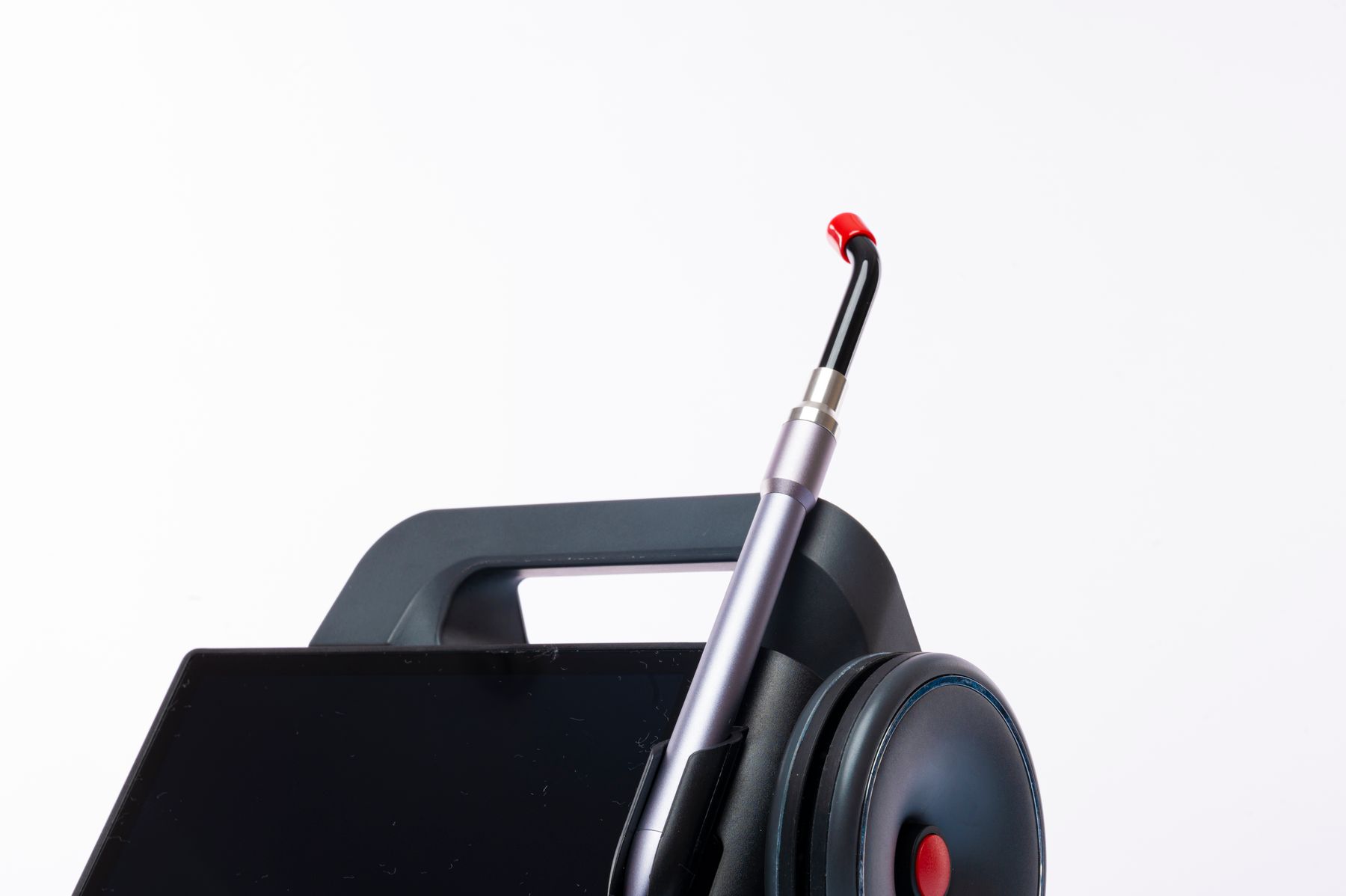
Photo by Đậu Photograph via Pexels
What "laser root canal" actually means
A root canal has one goal: clear the infection out of the narrow canals inside the tooth and seal them so it cannot come back. Most of that work is mechanical. The tooth is opened, the canals are cleaned and shaped with very fine files, rinsed with a disinfecting solution, dried, and filled. A laser does none of the drilling or filing. Where it comes in is the rinsing stage.
The idea is called laser-activated irrigation. The canals are flooded with the usual disinfecting rinse, and a thin laser tip sends energy into the fluid, which makes it move and reach into side branches and the far tip of the root that a plain rinse can struggle to touch. The laser is extending the fluid's reach, not burning the tooth. So a laser root canal is a normal root canal with the laser added during cleaning — not a different procedure done without instruments.
What the laser does, and what it doesn't
It helps to be plain about which claims hold up:
- It can help disinfect. Stirring the rinse deeper into the canal system is a sensible use, and it is where the evidence is strongest.
- It does not replace the drill or the files. The canals still have to be opened and shaped by hand instruments first. No laser gets a root canal done without them.
- It does not make the tooth heal on its own. A laser cannot regrow a nerve or undo an infection the cleaning missed.
- It is not a fix for a cracked or hopeless tooth. If the tooth cannot be saved, adding a laser does not change that.
None of the mechanical steps in the step-by-step of a root canal go away when a laser is used. The laser sits inside that process, at the cleaning stage, and that is the honest size of it.
Does a laser mean less pain?
Not really, and here is the part the marketing tends to skip: a laser root canal is still done under local anaesthetic, the same as any other. The tooth is numb before anything starts, laser or no laser. The old idea that a root canal is agony comes from the infection you walk in with, not the treatment, and modern anaesthetic is what settles that — the laser is not what makes you comfortable in the chair. If dread about pain is the reason you have been putting this off, what a root canal actually feels like is worth reading before you decide anything.
People often brace for the worst and are surprised. One patient told us afterward she felt great, and her mother — a dentist herself — looked at the photos from the procedure and was impressed with the work. That reassurance came from careful treatment, not from any one gadget.
Is it better than a standard root canal?
This is the question that matters, and the honest answer is that for most teeth a laser is an optional extra, not a reason to choose one clinic over another. The studies comparing laser-assisted cleaning with a well-done conventional root canal show broadly similar success rates. A laser can be a useful tool for reaching a difficult canal system, and a careful dentist may reach for it in the right case. But what actually saves the tooth is thorough cleaning and a good seal, done by someone who takes their time. The tool is second to the hands using it.
Be wary of anywhere that sells the laser itself as the reason to book. A root canal succeeds or fails on whether every canal was found and cleaned to the tip, and that standard holds whether the appointment is quick or long. A laser can support that work. It does not substitute for it.
What it costs
There is no flat price for a root canal, laser or otherwise, because the fee tracks the tooth: how many canals it has, whether it needs a build-up and a crown afterward, and whether it is a first treatment or a redo. A laser can add to the cost, since the equipment is expensive to buy and run, and that gets passed on. It does not lower the price.
So the useful question is not "how much is a laser root canal" but "how much is it to save this tooth, done properly" — and that number comes from an exam and an X-ray, not a phone quote. The full breakdown of what a root canal costs goes through the parts one by one, and none of them change just because a laser is involved.
When a laser is worth asking about, and when it isn't
If a dentist you trust uses a laser as part of careful treatment, that is fine — it is a reasonable tool in the right hands. What is not worth doing is travelling further, paying more, or waiting longer specifically to get the laser, on the belief that it is a better or gentler kind of root canal. It is the same procedure with one extra step, and choosing your dentist on the drill's brand name is the wrong thing to optimise for.
A couple of times this is not the decision in front of you at all. If you are not even sure the tooth needs a root canal, settle that first, because whether the tooth needs treating or is better removed changes everything, and no laser makes a hopeless tooth savable. And if you have facial swelling spreading toward your eye or down your neck, trouble breathing or swallowing, or a high fever with chills, that is a medical emergency — go to an emergency room now, not to a dental chair. For an ordinary infected tooth, the root canal, the build-up, and the crown are all handled in one place at our clinic in Ramat Beit Shemesh.
If a tooth is aching and you want a straight answer about what it needs, with or without a laser, call or message us on WhatsApp at 055-985-8845. We are open Sunday to Thursday 8:00 AM to 8:00 PM and Friday 9:00 AM to 5:00 PM, with after-hours emergency treatment outside those hours. Come in for an exam and we will tell you plainly what the tooth needs and what it will cost, before anything starts.
For background from sources that are not trying to sell you anything, the American Association of Endodontists explains the procedure on its page about root canal treatment, and the ADA's MouthHealthy has a plain overview of what a root canal involves.
Common questions
Is a laser root canal done without a drill?
Does a laser root canal hurt less?
Is a laser root canal better than a regular one?
Does a laser root canal cost more?
What does the laser actually do during a root canal?
Should I choose a clinic because it offers laser root canals?
Still not sure? Message us.
Send Dr. Gabriel Joel, DMD a quick description of what's going on and we'll point you in the right direction.
Message on WhatsAppDentist in Beit Shemesh — our dental clinic