
How to Sleep With a Toothache: Getting Through the Night
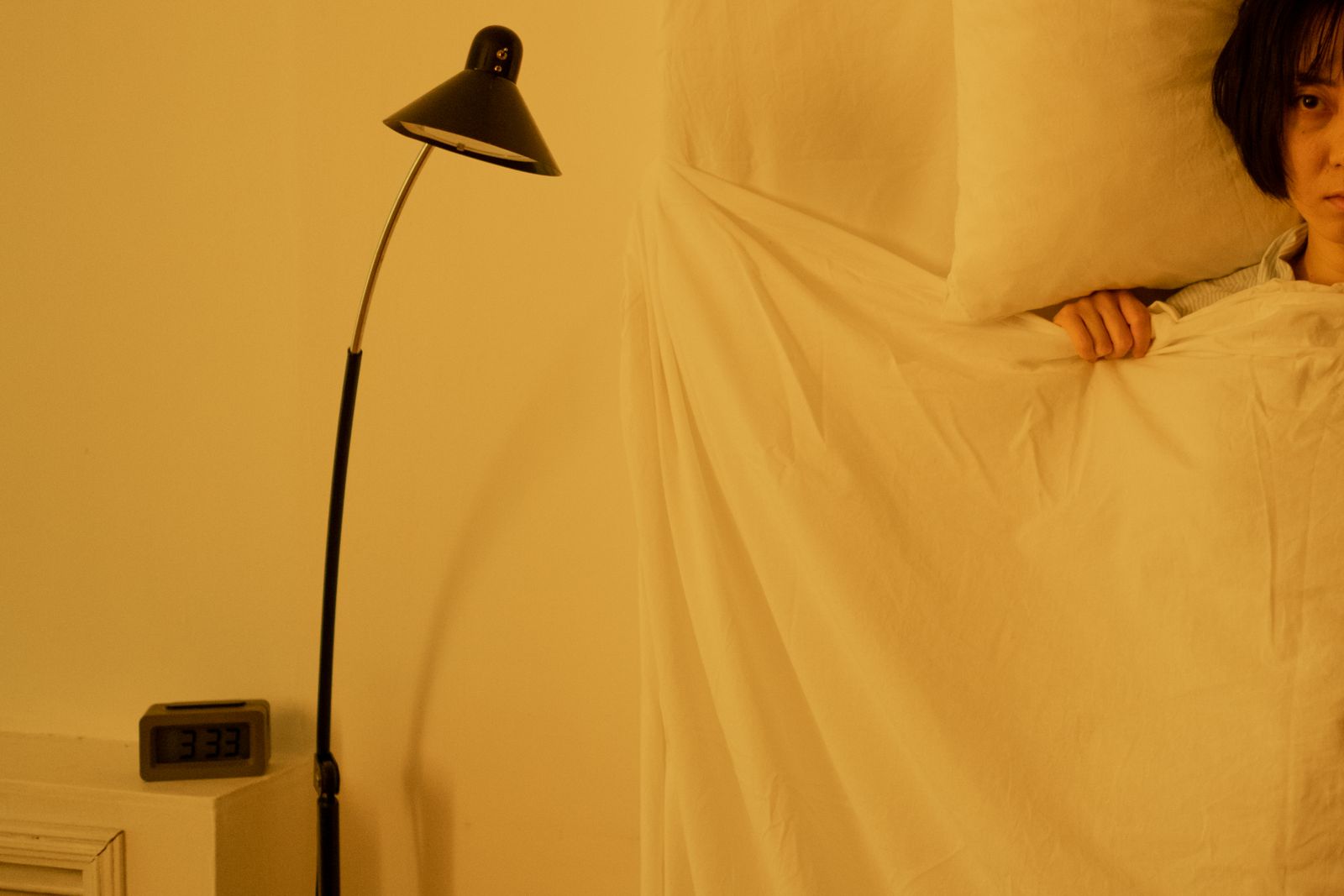
Photo by cottonbro studio via Pexels
The Short Version, for 2am
If you just want the list, here it is. Do these in order and most toothaches settle enough to let you sleep.
- Prop your head up on an extra pillow or two so it sits above your heart.
- Hold a cold compress against your cheek for about 15 minutes before bed.
- Take an anti-inflammatory painkiller like ibuprofen, following the packet, unless you have been told not to.
- Rinse with warm salt water to clear any trapped food and calm the gum.
- Avoid hot, cold, sweet, or hard food for a couple of hours before bed.
- Sleep on the opposite side to the sore tooth.
The rest of this explains why each one works, and what to do if none of it is touching the pain.
Raise Your Head While You Sleep
Tooth pain often gets worse the moment you lie down, and there is a simple reason. When your head is flat, more blood collects around your jaw, and that extra pressure pushes on the inflamed nerve inside the tooth. Sitting your head higher lets the pressure drain away.
Stack an extra pillow or two so your head rests clearly above your heart. Some people sleep better propped almost upright in an armchair on a bad night. It looks awkward, but a night half sitting up beats a night of throbbing. This is also why a toothache can feel fine all day and then flare the moment you get into bed, which catches a lot of people out. If yours does exactly that, why a toothache gets worse at night goes into it further.
Use Cold, Never Heat
A cold compress is one of the few things that reliably takes the edge off tooth pain. Cold narrows the blood vessels and numbs the nerve, which slows the throbbing. Wrap a few ice cubes or a cold pack in a thin towel and hold it against your cheek over the sore tooth for about 15 minutes, then give the skin a break before repeating.
Do not put heat on a painful tooth. A warm compress or a hot water bottle feels comforting, but if there is an infection brewing, heat encourages it to spread and can leave the swelling worse by morning. When in doubt, cold on the outside of the cheek, never warmth. A cold compress is a first-aid step rather than a cure, so it belongs alongside the other measures here, not instead of them. The same logic applies in the first ten minutes of any dental emergency.
Take a Painkiller That Works for Tooth Pain
Most tooth pain is inflammation, so an anti-inflammatory usually works better than a plain painkiller. Ibuprofen (an anti-inflammatory) tends to beat paracetamol on its own for a throbbing tooth, because it targets the swelling that is causing the pain. Take it with food, follow the dose on the packet, and do not exceed it. Skip ibuprofen entirely if you have been told to avoid it for a stomach or kidney reason.
Two things to avoid. Do not crush an aspirin and hold it against the sore gum. It is an old trick that does nothing useful and can burn the gum tissue instead. And do not double up on painkillers hoping for a faster result, because the right dose at the right spacing is safer and works about as well. Take the painkiller 20 to 30 minutes before you want to be asleep so it has time to reach the tooth.
Rinse, and Watch What You Eat Before Bed
A warm salt-water rinse is gentle and genuinely helps. Stir half a teaspoon of salt into a glass of warm water, swish it around the sore tooth for about 30 seconds, and spit it out. It clears trapped food and calms an irritated gum. Repeat it a couple of times before bed if it helps.
What you eat in the hour before bed matters too. A tooth with an exposed or inflamed nerve reacts to triggers, so steer clear of anything that sets it off:
- Hot and cold. Skip the late-night tea and the ice cream.
- Sweet and acidic. Sugar and citrus both provoke a sensitive tooth.
- Hard or chewy. Give the sore side nothing to bite on.
If the pain is clearly triggered by cold in particular, that points to a specific problem, and a tooth that is sensitive to cold is worth reading once you have slept.
When Nothing Is Touching the Pain
Sometimes a tooth is past the point where a pillow and a painkiller will help. Pain that keeps you up all night, wakes you the moment the tablets wear off, or comes with a swollen gum or a bad taste is usually a nerve that is dying or infected. That needs treating, not managing. The pain is the tooth telling you it is not going to settle on its own.
Getting it seen promptly is almost always the cheaper and easier path than waiting to find out if it fades, because it rarely fades. A tooth like this often needs root canal treatment to clear the infection and save the tooth, and the longer it waits, the more the choice narrows to save it or lose it. If your pain comes and goes rather than staying constant, that is worth understanding too, but a night you cannot sleep through is a clear sign to book.
When to Stop Trying to Sleep and Get Help Now
Most toothaches can wait until morning. A few cannot, and it is worth knowing the difference before you settle in for the night. Do not try to sleep it off. Get seen straight away if you have any of these:
- Swelling spreading across your face or down into your neck.
- Swelling closing an eye, or under your jaw and tongue.
- Trouble swallowing, breathing, or opening your mouth.
- A fever alongside a swollen face.
Those signs mean an infection is on the move, and that is a hospital emergency room tonight, not a wait-for-the-dentist situation. A spreading dental infection is genuinely dangerous, and no amount of sleep advice changes that. If you are not sure how serious your swelling is, what a tooth abscess looks like and when a toothache is a real emergency both help you read it.
For a child who cannot sleep for tooth pain, the approach is gentler. Helping a child through a toothache at night covers what is safe for them.
If you have been up a night or two with a toothache, that is your cue to have it looked at rather than keep managing it. Call or WhatsApp 055-985-8845. We are open Sunday to Thursday 8:00 AM to 8:00 PM and Friday 9:00 AM to 5:00 PM, with after-hours emergency treatment outside those hours, in Ramat Beit Shemesh. Send a photo or describe the pain, and we will tell you honestly whether it needs seeing today or can wait.
For guidance from sources with nothing to sell, the ADA's MouthHealthy explains what causes a toothache and how to handle one, and the American Association of Endodontists covers what root canal treatment involves if the tooth turns out to need it.
Common questions
How can I sleep with a toothache?
Why does my toothache get worse at night?
What is the best painkiller for a toothache at night?
Does a cold compress help a toothache?
Should I put an aspirin on my sore tooth?
When is a toothache at night an emergency?
Still not sure? Message us.
Send Dr. Gabriel Joel, DMD a quick description of what's going on and we'll point you in the right direction.
Message on WhatsAppDentist in Beit Shemesh — our dental clinic