
Why Do My Gums Hurt? Causes, Home Relief, and When to Call
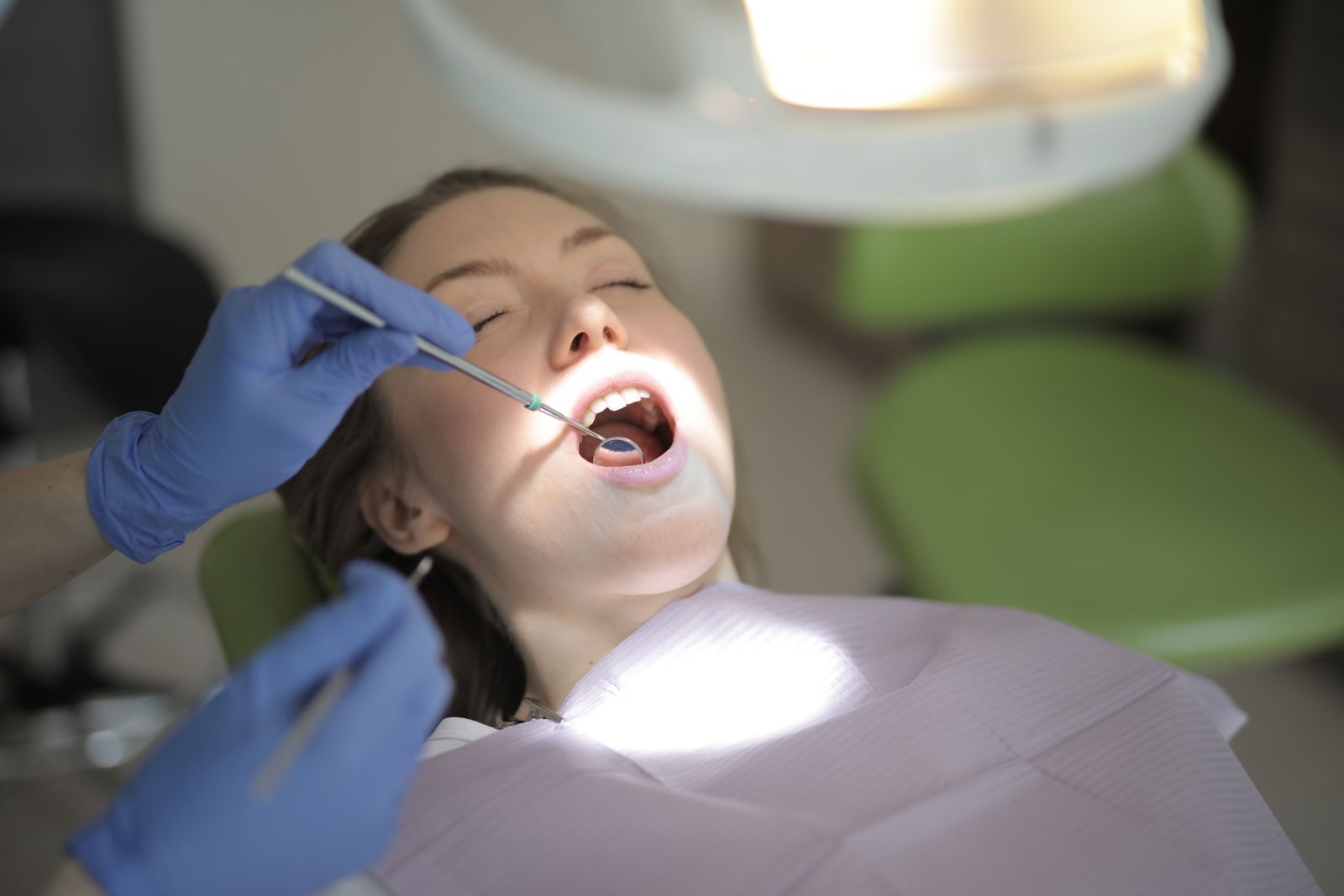
Photo by Andrea Piacquadio via Pexels
The Most Common Reasons Gums Hurt
In rough order of how often we see them:
- Gingivitis. Plaque left along the gum line inflames the gum. It looks red or puffy, and it often bleeds when you brush. Our guide to bleeding gums when you brush covers this stage.
- Brushing too hard, or a new hard brush. The gum is skin. Scrubbing it makes it sore in a way that fades within a few days once you stop.
- Food stuck below the gum line. Popcorn husks, meat fibres and floss fragments can lodge between teeth and cause a sharp, localised ache.
- Canker sores or a burn. A hot drink or a sharp chip can leave a raw patch that stings for several days.
- A wisdom tooth coming in. The gum flap over it gets trapped and inflamed. See pericoronitis.
If it came on suddenly with no obvious trigger, our post on gums that suddenly hurt goes through those cases.
One Spot or All Over? That Changes the Answer
Pain across the whole mouth points to something general: gingivitis, a change in brushing, a cold or medication. It is rarely urgent.
Pain in one spot points to something local. A lump, a pimple on the gum, or soreness beside a single tooth can mean infection at the root, and that is a different problem. Read what a gum boil means and swelling around one tooth if that matches what you see in the mirror.
What Helps at Home for a Day or Two
- Rinse with warm salt water (half a teaspoon in a glass) a few times a day.
- Switch to a soft brush and brush gently along the gum line, not across it.
- Floss once, carefully, to clear anything trapped. If floss makes it much worse, stop.
- Use an over-the-counter anti-inflammatory if you can normally take one, following the label.
- Skip very hot, spicy and crunchy food until it settles.
Ordinary gum irritation should be clearly better within two or three days. If it is not, home care is no longer the answer.
When to Call a Dentist in Beit Shemesh
Book a visit if the soreness lasts longer than a week, keeps coming back, or is limited to one tooth. Our clinic on Harav Kook is open Sunday to Thursday 08:00 to 20:00, and same-day appointments are possible, so a sore gum found on Wednesday does not have to wait for the weekend. We treat in Hebrew and English, which helps when you need to describe exactly where it hurts. Details of emergency dental care in Beit Shemesh are on our services page, and there is a Ramat Beit Shemesh page too, about 2 km from the chair.
Shabbat is for genuine emergencies only, so the signs below are what count as one.
Signs That Should Not Wait
- Swelling of the face, cheek or under the jaw.
- Fever, or feeling generally unwell with the gum pain.
- Difficulty swallowing or opening your mouth.
- A gum boil that keeps returning, or pus you can taste.
Trouble breathing or swallowing, or swelling closing an eye, means a hospital emergency room, not a dental clinic. Our guide to tooth and gum infection symptoms explains the difference. Painful gums with none of these, and improving, can usually wait for a routine appointment. Pain that goes on for weeks is different, and that is where a proper look and a scale-and-clean makes the difference. The ADA's MouthHealthy page on gum disease and the American Academy of Periodontology both list the same warning signs.
What Happens at the Visit
We look at the gum, measure the pockets around the teeth, and take an x-ray if a single tooth is involved. Gingivitis is treated with a thorough clean and a plan you can actually follow. If the cause is an infected tooth, we discuss saving it, often with a root canal, before anything else. If the answer is that it just needs a softer brush and some patience, we say that too.
If your gums hurt and you would like someone to look, message Urgent Dental Care in Beit Shemesh on WhatsApp at 055-985-8845 or call.
Common questions
Why do my gums hurt when I'm not brushing them?
Why do my gums hurt in one spot?
Can a cold or stress make my gums hurt?
Do sore gums mean I have gum disease?
Will a sore gum go away by itself?
Is it worth coming in to our Beit Shemesh clinic for sore gums?
Still not sure? Message us.
Send Dr. Gabriel Joel, DMD a quick description of what's going on and we'll point you in the right direction.
Message on WhatsAppDentist in Beit Shemesh — our dental clinic