
Bleeding Gums When You Brush: What It Means and What to Do
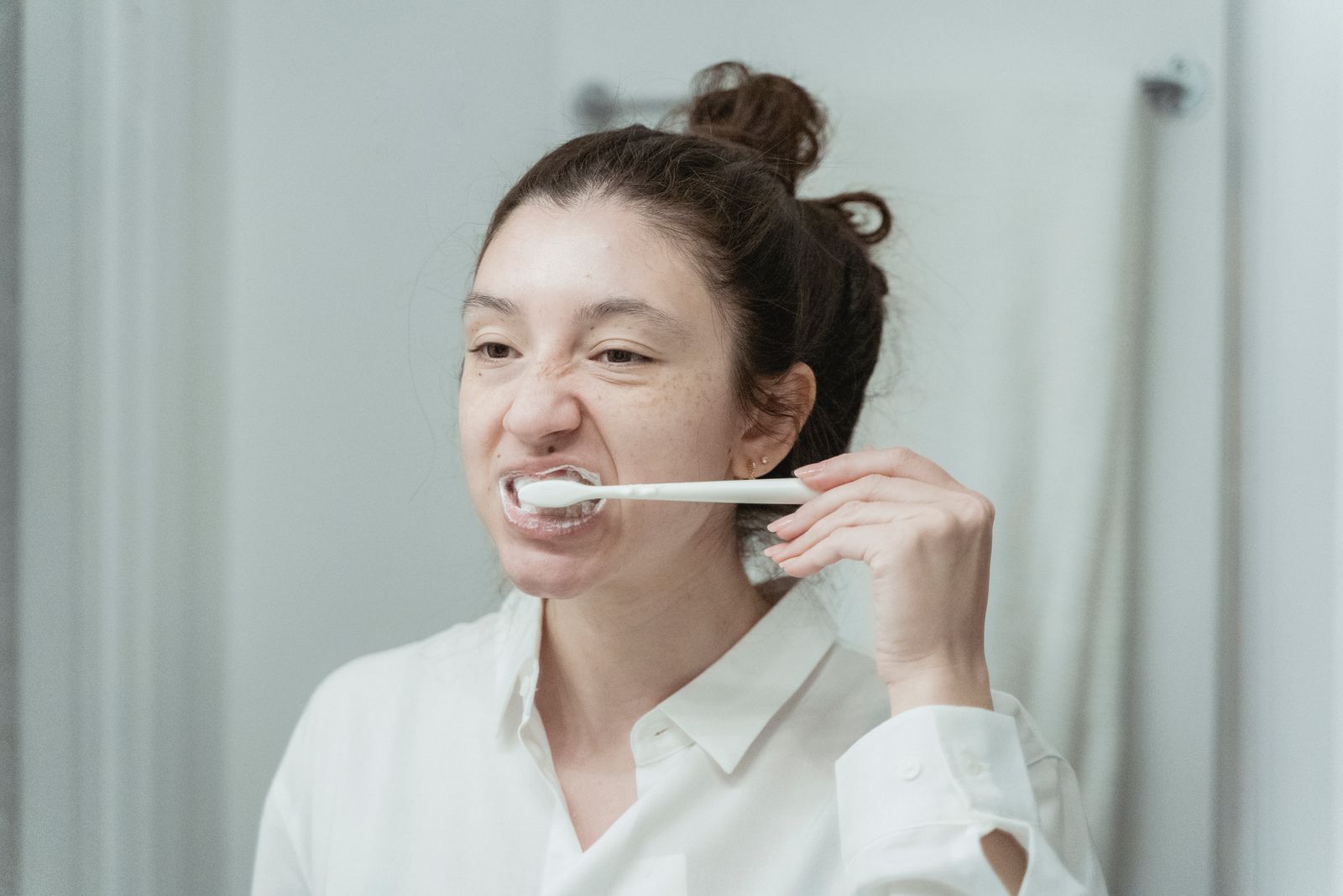
Photo by Miriam Alonso via Pexels
Why Gums Bleed When You Brush
Plaque is a soft, sticky film of bacteria that builds up on teeth through the day, and it collects fastest right where the tooth meets the gum. If it is not cleaned off, the gum next to it reacts. It swells slightly, its surface gets fragile, and the tiny blood vessels near the surface break at the lightest touch. That is why a healthy gum can take firm brushing without a spot of blood, while an inflamed one bleeds the moment the bristles reach it.
This early, plaque-driven inflammation is called gingivitis, and it is the most common gum problem there is. It sits entirely on the surface. The gum is irritated, not damaged, and once the plaque is gone the gum settles and the bleeding stops. Left alone for months or years, though, that surface inflammation can work deeper and turn into the kind of gum disease that affects the bone holding your teeth, which is far harder to reverse.
It's Not a Reason to Brush Less
The natural instinct is to go easy on the spot that bleeds, or skip it. That is backwards. The bleeding is the inflammation, and the inflammation is fed by the plaque you are leaving behind. Brush the bleeding area gently but properly, add cleaning between the teeth, and you are removing the actual cause.
For most people with gingivitis, the bleeding gets better within one to two weeks of cleaning the area well every day. It often looks worse for the first few days before it improves, which puts people off right when they should keep going. It is a bit like learning to throw darts: at first you are just glad to reach the gumline at all, and with a little daily practice the aim gets better and the bleeding fades. What does not work is backing off, because the plaque then builds up and the gum stays angry.
Other Things That Make Gums Bleed
Plaque is behind most bleeding gums, but not all of it. A few other things are worth knowing about:
- You just started flossing again. Gums that have not been cleaned between the teeth for a while will bleed for the first several days once you start. This is not a reason to stop. It usually settles within a week as the gums firm up.
- Brushing too hard, or a hard brush. Scrubbing with a stiff brush can make gums bleed and, over time, wear them back. Use a soft-bristled brush and let the bristles do the work rather than force.
- Pregnancy. Hormonal changes make gums more reactive to plaque, so they bleed more easily even with the same routine. Our guide to dental problems during pregnancy covers what is safe to do about it.
- Blood thinners and some medications. Aspirin, warfarin, and similar drugs make any bleeding, including from the gums, last longer and look heavier.
- Smoking. Smoking actually reduces gum bleeding by narrowing the small blood vessels, which hides gum disease rather than preventing it, so a smoker with quiet gums can still have a real problem underneath.
How to Stop Gums Bleeding When You Brush
For ordinary plaque-related bleeding, the fix is not complicated, but it does need doing every day:
- Use a soft-bristled brush, twice a day, for two minutes. Angle the bristles slightly toward the gumline, where the plaque sits, and brush gently rather than hard.
- Clean between the teeth once a day. Floss or an interdental brush reaches the spots a toothbrush cannot, and that is usually exactly where the bleeding starts.
- Do not skip the spot that bleeds. Clean it gently along with the rest. Avoiding it is what lets the plaque stay.
- Give it two weeks. Consistent daily cleaning is what settles the gum. A single good brushing will not do it.
- An antiseptic mouthwash can help for a short spell, but it is a top-up, not a replacement for brushing and flossing.
One thing brushing at home cannot remove is tartar, the hardened plaque that sets like chalk along the gumline. Once plaque has hardened, only a professional clean takes it off, and gums often keep bleeding until it is gone. If two weeks of careful cleaning has not settled things, that hardened build-up is usually why.
When Bleeding Gums Need a Dentist
Most bleeding gums are gingivitis and improve on their own once the cleaning improves. You do not need us tonight, or even this week, for a little blood in the sink when you brush, especially if you have only just tightened up your routine. Give it two weeks of proper brushing and flossing first. Some signs, though, mean it is worth being seen rather than waited out:
- The bleeding has not improved after two weeks of good daily cleaning.
- Your gums are pulling back from the teeth, a tooth feels loose, or there is a lasting bad taste or bad breath. These point to gum disease that has gone past the surface.
- There is swelling, a gum boil, or pus along with the bleeding, which points to an infection rather than simple gingivitis.
- The gum bleeds on its own, not only when you brush.
Swollen, sore, bleeding gums that are not settling are worth a look, and our guide to what causes swollen gums and how they are treated goes through the options. If there is real pain or swelling with it, when a dental problem is a real emergency helps you judge how fast to act.
When It's a Doctor, Not a Dentist
Now and then, bleeding gums are a sign of something outside the mouth. See a doctor rather than a dentist if your gums bleed heavily and will not stop, if you are bleeding or bruising easily elsewhere too, or if the gums bleed on their own with no obvious dental cause. Bleeding from several sites at once, or that seems out of proportion to any plaque, can point to a blood-clotting problem or a reaction to medication, and that is a medical issue. If you are on a blood thinner and the bleeding is heavy, speak to the doctor who prescribed it. For plaque-related bleeding at the gumline, though, a dentist is the right place.
If your gums have been bleeding when you brush and it is not settling, or there is swelling or a bad taste with it, call or WhatsApp 055-985-8845 and we will take a look. We are in Ramat Beit Shemesh, open Sunday to Thursday 8:00 AM to 8:00 PM and Friday 9:00 AM to 5:00 PM, with after-hours emergency treatment outside those hours. Send a photo of the gum if it is easier, and if it is simple gingivitis that better cleaning will fix, we will tell you so. Our dental infection treatment and emergency dentist pages explain how we treat gum problems that have gone past the surface.
For guidance from sources with nothing to sell, the ADA's MouthHealthy explains what gum disease is and how it starts and how to brush so plaque does not build up along the gumline.
Common questions
Is it normal for my gums to bleed when I brush?
Should I stop brushing if my gums bleed?
How long does it take for bleeding gums to stop?
Why do my gums bleed when I floss but not when I brush?
Can bleeding gums heal on their own?
When should I worry about bleeding gums?
Still not sure? Message us.
Send Dr. Gabriel Joel, DMD a quick description of what's going on and we'll point you in the right direction.
Message on WhatsAppDentist in Beit Shemesh — our dental clinic