
Painful Gum Inflammation: Causes, Relief, and When to Act
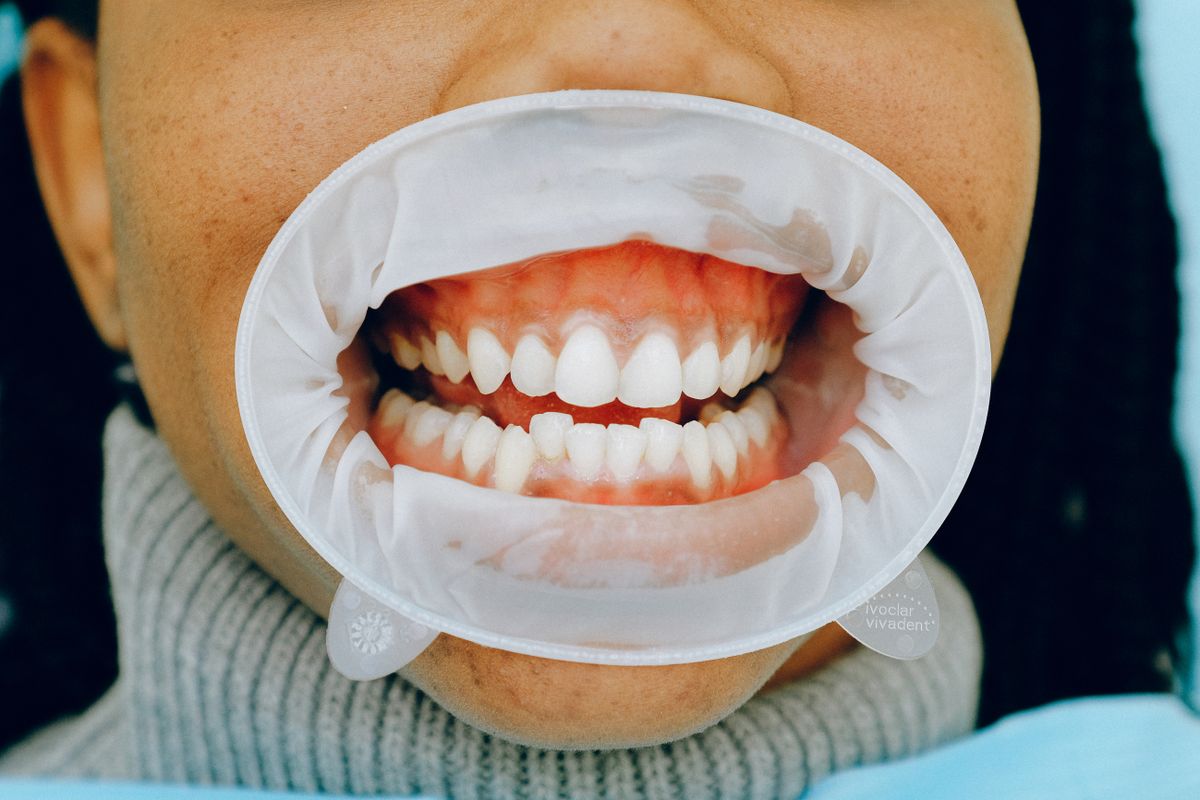
Photo by Anna Shvets via Pexels
What painful gum inflammation actually is
Healthy gums sit tight against the teeth and do not hurt or bleed. When plaque, the soft film of bacteria that builds up along the gumline, is not cleaned off, the gums get inflamed. That early stage is gingivitis: red, puffy gums that bleed easily and feel sore. It is common, and at that point it is reversible.
Left alone, the inflammation can go deeper and turn into gum disease that damages the bone holding the teeth (periodontitis), or it can flare into a gum abscess, a pocket of pus that causes sharper, throbbing pain and swelling. The pain is the gum telling you the bacteria have the upper hand. Brushing harder does not win that back, and it often makes sore gums bleed more.
The common causes of sore, swollen gums
Painful gums usually trace back to one of a handful of things:
- Plaque along the gumline (gingivitis). The most common cause by far. Missed brushing or flossing lets bacteria sit against the gum, and the gum inflames.
- Gum disease (periodontitis). Gingivitis that has progressed, with the gum pulling away from the tooth and forming pockets that trap more bacteria.
- A gum abscess. A localised pocket of infection, often around one tooth, that throbs and swells and sometimes drains a bad-tasting fluid.
- Something trapped. A popcorn husk, a fish bone, or a seed wedged under the gum can inflame a single spot within a day.
- A wisdom tooth pushing through. A partly erupted wisdom tooth traps food and bacteria under a flap of gum, which gets sore and swollen. Whether that tooth needs to come out is a separate question worth understanding.
- Aggressive brushing or a hard brush. Scrubbing too hard damages the gum rather than cleaning it. A soft brush and a lighter hand do more.
- Hormonal changes. Pregnancy, in particular, makes gums more reactive to plaque, so they inflame more easily even with the same cleaning.
A canker sore or a burn from hot food can also make one patch of gum hurt, but those come and go on their own within a week or two. Pain that is spreading, throbbing, or tied to swelling is the kind that needs looking at.
What you can do at home right now
None of this fixes the cause, but it can settle sore gums while you arrange to be seen:
- Rinse with warm salt water. Half a teaspoon of salt in a cup of warm water, a few times a day, eases inflammation and helps clear bacteria.
- Clean the area gently, do not abandon it. Keep brushing with a soft brush and floss carefully, especially if something is trapped. Sore gums bleed at first, but leaving the plaque there is what keeps them inflamed.
- Use a cold compress for swelling. Fifteen minutes against the cheek helps a swollen, painful area more than heat does.
- Take an over-the-counter painkiller if you need it. Ibuprofen or paracetamol, at the dose on the packet, is fine. Do not hold an aspirin against the gum, which burns the tissue rather than helping.
If a rinse and gentle cleaning settle things within a couple of days and the gums go back to normal, it was likely early gingivitis or a trapped bit of food, and a good clean sorted it. If it does not settle, or it is getting worse, that is the point to stop self-treating and get it checked.
When gum pain is an emergency, and when it is the hospital
Most sore gums are not an emergency. A few are, and a small number need a hospital rather than a dental chair.
Go to an emergency room now, not to us, if the swelling is spreading toward your eye or down your neck, you are having trouble breathing or swallowing, or you have a high fever with chills alongside the swelling. A dental infection that reaches the neck or airway is a medical emergency, and it moves faster than people expect. If it is gum pain and swelling without any of that, call us and come in the same day, because a spreading gum infection is easier to deal with early. Toothache versus dental emergency and the first ten minutes of a dental emergency both go through where that line sits and what to do while you get seen.
How we treat inflamed, painful gums
Start with what does not fix it. Antibiotics can calm a gum infection for a few days, but they do not remove the plaque, the trapped debris, or the abscess that caused it, so the pain returns once the course ends. They support treatment; they are not the treatment.
What actually helps depends on the cause, which is why an exam comes first:
- Gingivitis is treated with a proper professional clean to remove the plaque and hardened tartar the toothbrush cannot reach, plus a plan to keep the gumline clean at home.
- Periodontitis needs a deeper clean below the gumline (scaling and root planing) and ongoing maintenance to stop it progressing.
- A gum abscess is drained to release the pressure, and the tooth or gum causing it is treated so it does not come straight back. When the source is inside the tooth, that can mean a root canal; when it is the gum, it is treated directly.
- A wisdom-tooth flap is cleaned out, and if it keeps flaring, the tooth is usually the thing that has to go.
How a tooth or gum infection is treated in more detail, including what an exam and X-ray actually tell us, is covered in tooth infection causes and treatment. Two people with the same gum pain can need very different things, so we would rather look than guess.
When it can wait, and when not to bother with us
Not every sore gum needs an appointment. Gums that ache a little after a deep flossing session, or one patch that is tender for a day and then fades, usually sort themselves out. A canker sore will heal on its own within a week or two. If your gums bleed a bit when you start flossing again after a gap, that is common and tends to settle within a week as the gumline gets healthier, not worse.
What should not wait is gum pain that is spreading, throbbing, tied to a swelling, or still there after a few days of careful cleaning. Waiting to see whether that settles on its own is usually the more expensive choice, not the cheaper one, because gum disease that is left tends to move from a clean-and-done problem to one that has cost you bone. And if you already have a diagnosis and a cleaning plan from a dentist you trust, you do not need a second opinion from us to follow it. Save the visit for when something actually feels wrong.
If your gums are swollen, throbbing, or sore in one spot that will not settle, call or message us on WhatsApp at 055-985-8845. We are open Sunday to Thursday 8:00 AM to 8:00 PM and Friday 9:00 AM to 5:00 PM, with after-hours emergency treatment available outside those hours. Tell us what is going on and we will tell you plainly whether it is a same-day visit, a clean, or something that can wait.
For background from sources worth trusting, the ADA's MouthHealthy has plain overviews of gum disease and dental abscess.
Common questions
Why are my gums swollen and painful?
How do I relieve gum pain fast at home?
Will gum inflammation go away on its own?
Do I need antibiotics for painful gums?
When is gum pain a dental emergency?
Can a wisdom tooth cause gum pain?
Is it normal for gums to bleed when I brush or floss?
Still not sure? Message us.
Send Dr. Gabriel Joel, DMD a quick description of what's going on and we'll point you in the right direction.
Message on WhatsAppDentist in Beit Shemesh — our dental clinic