
Gums Swollen Around Just One Tooth: Causes and What to Do
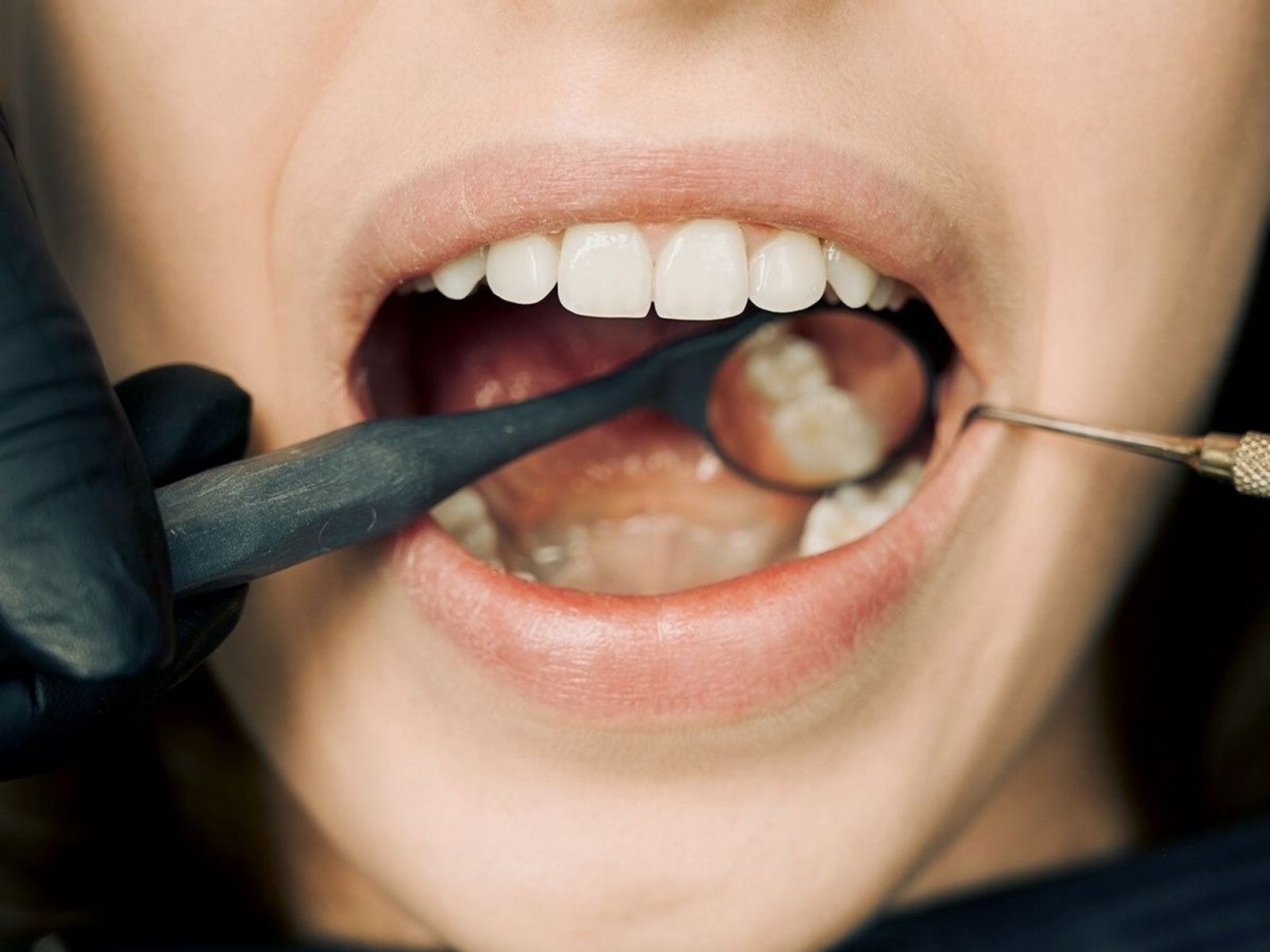
Photo by Arvind Philomin via Pexels
What Swelling Around One Tooth Usually Turns Out to Be
The list is short, and where the swelling sits tells us more than how big it is. None of it is ordinary gum disease, which does not confine itself to one tooth.
- Something wedged under the gum. A popcorn husk, a fragment of crisp, a stray toothbrush bristle. It sounds too simple to be the answer and it regularly is. The gum settles within a day or two of it coming out.
- A dead nerve inside that tooth. Infection from inside the tooth pushes out through the bone and swells the gum beside the root. The tooth often feels taller than its neighbours and hurts to bite on, and there is usually an old deep filling or a crack in its history. How a tooth abscess forms covers the mechanism.
- A pocket beside the root. Here the infection starts in the gum rather than inside the tooth. The gum is tender to touch, there is often a bad taste, and the tooth can feel slightly loose. A periodontal abscess is a different problem from a nerve infection, even though the two look identical from outside.
- A wisdom tooth coming through at an angle. A flap of gum sits over part of it and food packs underneath. Swollen, sore, and the jaw is often stiff to open. Gum inflammation around a wisdom tooth covers it.
- A rough edge on a filling or crown that traps plaque in one spot, so only that patch of gum reacts.
Only the first of those resolves on its own. Waiting a fortnight to see what happens therefore works occasionally, and is expensive the rest of the time.
The Signs That Mean Hospital Rather Than Dentist
Almost all of these are a dental appointment. The dividing line is whether the infection has stayed in one place.
- Swelling spreading past the gum into the cheek, up towards the eye, or down into the neck
- Trouble swallowing, a change in your voice, or any difficulty breathing
- Not being able to open your mouth more than a couple of fingers wide
- Fever, shivering, or feeling ill rather than just sore
With any of those, go to a hospital emergency department instead of to us. A dental chair can drain a tooth. It cannot manage an airway. When a dental infection becomes a hospital emergency has the detail, and the ADA page on dental abscesses says the same.
Why the Day of the Week Changes the Answer Here
We are open Sunday to Thursday, 8:00 AM to 8:00 PM, and Friday 9:00 AM to 5:00 PM, Shabbat for emergencies only. That schedule is the practical difference between two otherwise identical swellings.
Notice one on a Monday and there is no real decision to make. Notice the same swelling at 10pm on Thursday and the whole window is one Friday morning, after which it has Shabbat to itself. That version is worth a message the same night, and it is why Friday mornings fill first here. Same-day appointments are possible at the Beit Shemesh clinic when we have room.
The duller local point matters more. Saying the back one on the left, three days, worse when I bite, in English rather than assembling it in Hebrew first, gets to the right tooth faster. Dr. Joel trained in the United States and treats in both languages.
What Salt Water, Ibuprofen and Antibiotics Actually Do
Warm salt water rinses are worth doing. They clear debris from around the gum and take the edge off, and if a trapped fragment is the cause they occasionally solve the whole thing. What they cannot reach is the floor of a deep pocket or the inside of a dead tooth. The first week of rinsing gets done with real conviction. The second week rather less.
Ibuprofen usually helps more than paracetamol with swelling of this kind, if your doctor is happy for you to take it. Its main risk is working well enough to make people postpone the appointment.
Antibiotics do the same thing on a larger scale. They push the infection back far enough for the swelling to drop, which feels like a cure, and the dead nerve or the deep pocket is exactly where it was when the course finishes. Why antibiotics alone do not fix a tooth infection explains the gap. Do not press or squeeze it either; that buys a comfortable day and pushes bacteria into tissue that was holding them.
The real fix depends on the source: cleaning and sealing the inside of the tooth, cleaning out the gum pocket, or taking the tooth out. An X-ray and a probe decide which. Our gum treatment page for Beit Shemesh covers the gum side, and the tooth abscess treatment page the infections that start inside a tooth.
When You Do Not Need to Book Anything
Some of these are not worth an appointment, and saying so saves everyone a trip.
- It went down within a day of getting something out. A husk or a bristle removed, the gum calm by morning, no pain on biting. Mention it at your next check-up.
- Soreness after a filling or an injection in that area that is getting better each day rather than worse. Give it a few more days.
One case runs the opposite way. Swelling around a tooth that does not hurt at all is the one people leave longest, and painlessness is not reassurance. It usually means the nerve has already died. Swelling without pain is worth reading if that is what you have, and the AAE guide to dental symptoms is a fair second opinion.
If the gum around one tooth has been swollen for more than two or three days, or it has swollen and settled more than once, it needs looking at rather than watching. Call or WhatsApp 055-985-8845. We are at Harav Kook 28/1 in Beit Shemesh, Sunday to Thursday 8:00 AM to 8:00 PM and Friday until 5:00 PM, with same-day appointments where we have them.
Common questions
Why are my gums swollen around just one tooth?
Will swollen gums around one tooth go away on their own?
How long can I leave a swollen gum around one tooth?
Does a swollen gum around one tooth mean I need a root canal?
Can I be seen the same day for a swollen gum in Beit Shemesh?
Should I put anything on the swollen gum myself?
Still not sure? Message us.
Send Dr. Gabriel Joel, DMD a quick description of what's going on and we'll point you in the right direction.
Message on WhatsAppDentist in Beit Shemesh — our dental clinic