
When Should I See a Dentist for an Abscess? Today or This Week
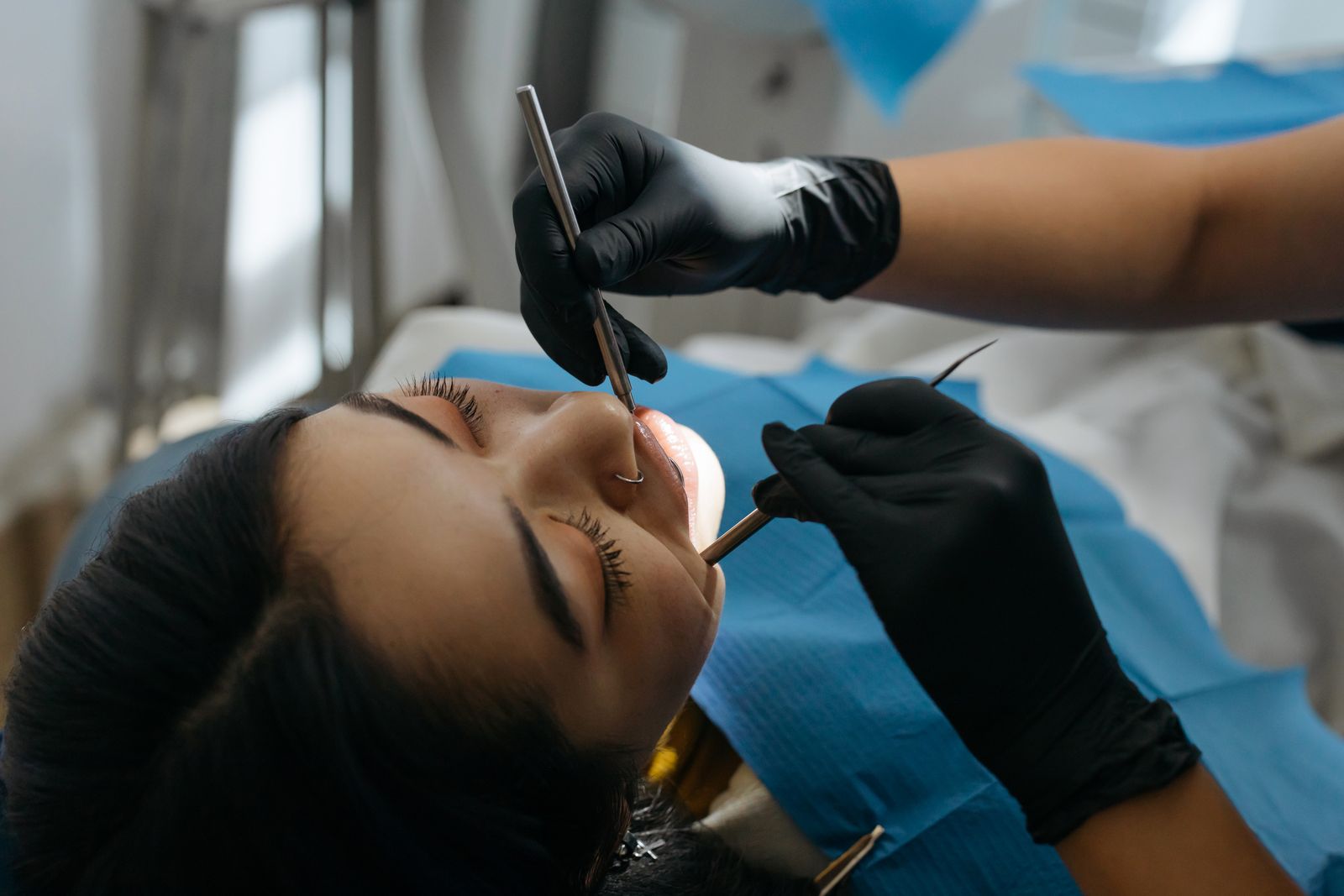
Photo by cottonbro studio via Pexels
Why an abscess is never a wait-and-see problem
An abscess is a pocket of infection at the tip of a tooth root or in the gum. The bacteria that cause it are inside the tooth or the bone around it, where your body's defences and antibiotics reach poorly. That is why it can calm down for a while and then flare again. Our guide to whether a tooth abscess goes away explains why waiting does not fix it.
So the real question is not whether to see a dentist, but how fast. That depends on what the infection is doing.
See a dentist today if you have any of these
- Swelling in the gum, cheek or face, even if it is small
- A pimple-like bump on the gum that leaks fluid or a bad taste
- Throbbing pain, or pain that wakes you at night
- A tooth that hurts to bite on, or feels raised and tender to touch
- A fever, or feeling run down along with the toothache
These mean the infection is active and growing. Do not wait for it to get worse before you call. Our article on how fast a tooth infection can spread shows why a day matters.
Book this week if the tooth is quiet
If the pain has stopped, a few signs can still point to an abscess: a darkened tooth, a bump on the gum that comes and goes, a bad taste that appears now and then, or a tender gum with no pain to hot or cold. A quiet tooth is not an emergency, but it is not healed either. The nerve may have died, or the pus may have found a way out, which is the point of an abscess that does not hurt. An X-ray usually settles it in one visit, and treatment is simpler before it flares than after.
When to go to a hospital instead of a dentist
Go to an emergency room first, not a dental clinic, if you have any of these with a tooth problem:
- Trouble breathing or swallowing, or drooling because you cannot swallow
- Swelling spreading down the neck, under the tongue, or closing an eye
- A high fever with chills, confusion, or feeling seriously unwell
- You cannot open your mouth more than a finger's width
Those signs mean the infection has left the tooth. The full list is in when a dental infection is a hospital emergency. For everything short of that, a hospital cannot drain or treat the tooth, and you may wait hours to be told to see a dentist. Our comparison of the emergency room versus a dentist for tooth pain covers the difference.
What we do when you come in
We examine the tooth, take an X-ray and test whether the nerve is still alive. If the tooth can be saved, a root canal cleans the infection out of the root and seals it. If it cannot be saved, it is taken out. Antibiotics are sometimes added, but on their own they do not clear a dead tooth, which is why antibiotics alone do not fix a tooth infection. The overview is in what a tooth abscess is and how it is treated.
Please do not try to pop it at home. Why not is a short read, and the answer is not a close call.
An abscess in Beit Shemesh before Shabbat
Our clinic at Harav Kook 28/1 is open Sunday to Thursday 08:00 to 20:00 and Friday 09:00 to 17:00. Shabbat is for genuine emergencies only. A bump that appears on Thursday night is easy to leave until it is Friday afternoon and then Saturday, and a flare-up on Shabbat is the outcome we would most like you to skip. If you are in Ramat Beit Shemesh, we are about 2 km away.
Same-day appointments are possible at the Beit Shemesh clinic. Dr. Joel treats in English and Hebrew, so you can describe the pain precisely. See tooth abscess treatment in Beit Shemesh for what a visit involves. Until you are seen, rinse gently with warm salt water and take the painkiller you normally tolerate, as directed on the packet.
For independent background, the ADA's MouthHealthy explains what a dental abscess is, and the American Association of Endodontists describes how an infected tooth is treated. If you think you have an abscess, send a WhatsApp or call 055-985-8845. Urgent Dental Care is at Harav Kook 28/1, Beit Shemesh, with emergency dental care when it cannot wait.
Common questions
How soon should I see a dentist for a tooth abscess?
Can I wait a few days to see if a tooth abscess gets better?
Should I go to the emergency room or the dentist for an abscess?
Is an abscess an emergency if it does not hurt?
Can I see a dentist in Beit Shemesh for an abscess on Friday or Shabbat?
Will antibiotics from my GP clear the abscess?
Still not sure? Message us.
Send Dr. Gabriel Joel, DMD a quick description of what's going on and we'll point you in the right direction.
Message on WhatsAppDentist in Beit Shemesh — our dental clinic