
Emergency Room or Dentist for Tooth Pain: How to Decide
For tooth pain on its own, the dentist is the right place and the emergency room is not. A hospital can give you a painkiller and, if there is an infection, an antibiotic. What it cannot do is open the tooth and take the pressure off, because emergency departments do not have a dental chair or a dentist in them. That is why people leave a Jerusalem emergency room at four in the morning with a prescription and exactly the same tooth they walked in with. There are situations where the hospital is the right call, and they are worth knowing before you are standing in your kitchen in Beit Shemesh at 2am trying to work it out.
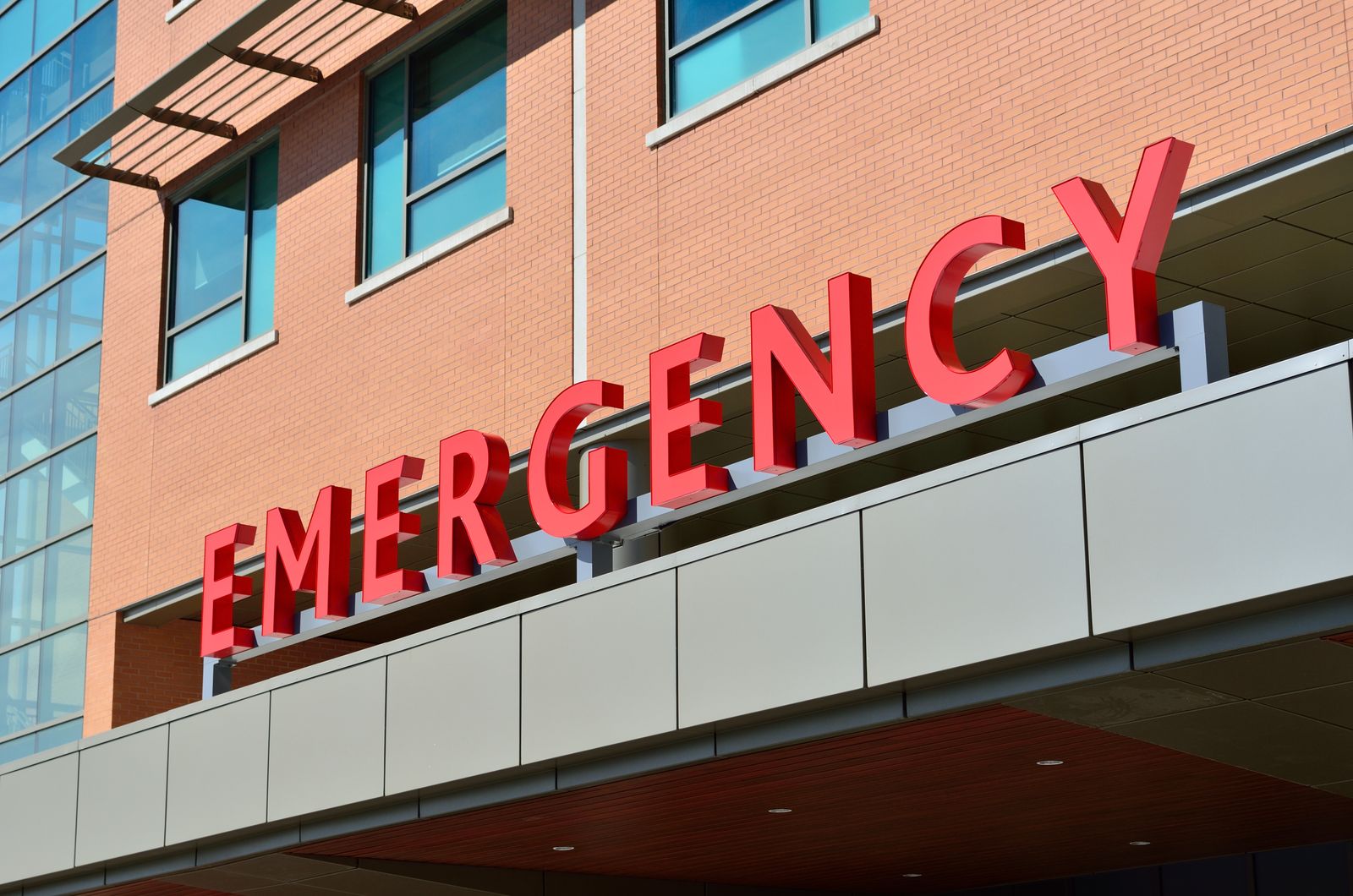
Photo by Pixabay via Pexels
What an Emergency Room Can and Cannot Do for a Tooth
Emergency departments are built for what threatens your life or your airway. A tooth is usually neither, so they are not set up for it.
What a hospital can do:
- Give you stronger pain relief than you have at home, and give it faster.
- Start antibiotics when an infection is spreading.
- Surgically drain a large swelling that has moved into the face or neck.
- Rule out the things that are not the tooth: a fractured jaw, a head injury, a heart problem presenting as jaw pain.
- Admit you and run antibiotics into a vein if the infection is severe.
What it cannot do:
- Open the tooth and release the pressure inside it.
- Do a root canal, place a filling, or take the tooth out.
- Recement a crown or rebuild a broken one.
Antibiotics do not cure a dying nerve. They hold the infection back while the source stays exactly where it was, which is why antibiotics alone do not fix a tooth infection. A hospital visit for ordinary tooth pain buys you a night and then sends you to a dentist anyway.
Go to a Hospital, Not to Us, If Any of This Is True
In these situations the emergency room is the correct answer and a dental appointment is the wrong one. Go now. Do not wait to phone us first.
- Swelling that is closing one eye, or spreading under the jaw or down into the neck.
- Difficulty breathing, difficulty swallowing, or a changed voice.
- You cannot open your mouth more than a couple of centimetres.
- Fever with shaking chills, confusion, or a racing pulse alongside a dental infection.
- A blow to the face with a possible broken jaw, loss of consciousness, or vomiting afterwards.
- Bleeding from the mouth that has not slowed after twenty minutes of firm, unbroken pressure.
- Jaw pain together with chest pain, breathlessness or sweating. That is a possible heart attack, not a dental problem, and it needs an ambulance.
An infection in the floor of the mouth can narrow an airway over hours rather than days, which is the reason the breathing and swallowing items are on this list at all. When a dental infection becomes a hospital emergency covers what happens once you are there.
When the Dentist Is the Right Call
Almost everything else. If the problem is the tooth and only the tooth, we can usually deal with it in one appointment and a hospital cannot deal with it at all.
- Throbbing pain that keeps you awake or wakes you up.
- Pain that spikes on hot or cold and then lingers.
- Pain on biting down on one particular tooth.
- A gum boil, or a bad taste coming from one spot.
- Swelling limited to the gum around a tooth, with no fever and no spread.
- A broken tooth, a lost filling, a crown that came off.
The treatment for most of these is to open the tooth, clean out the infected nerve and let the pressure go — the part that actually stops the pain, and the part a hospital has no way of doing. If you are unsure how urgent yours is, whether a toothache can wait until morning goes through it properly.
Friday Afternoon, Shabbat, and the Drive to Jerusalem
The reason this question comes up here more than it would elsewhere is the calendar. Our clinic at Harav Kook 28/1 in Beit Shemesh is open Sunday to Thursday 8:00 AM to 8:00 PM and Friday 8:00 AM to 2:00 PM, and closed on Saturday. A tooth that starts hurting on Thursday evening is a straightforward problem. One that starts at three on Friday afternoon is a different problem, and it is the version that sends people towards a hospital.
Before you get in the car, be honest about what the drive gets you. A Jerusalem emergency department at 2am will rank a tooth as low priority, correctly, because it is triaging strokes and road accidents. You may wait several hours to be given a painkiller, an antibiotic and an instruction to see a dentist.
What the drive is worth is the red-flag list above. Swelling around the eye at 2am is worth any wait there is. A tooth that is only throbbing is usually better managed at home overnight.
We do treat emergencies outside those hours. There is no advertised response time, because it depends who is where, but a WhatsApp message is answered faster than a hospital triage queue, and it is often enough for us to tell you whether this is a tonight problem or a Sunday one. Deciding quickly and then treating the same day is most of what emergency dental care in Beit Shemesh consists of, and being able to describe the pain in English rather than translating it under duress is most of why people here send that message at all.
What to Do While You Are Deciding
- Take the painkillers properly. Ibuprofen and paracetamol at the doses on the packet, alternated, work better together than either does alone. Skip the ibuprofen if you have a reason to avoid it.
- Sleep propped up, and put cold on the outside of the cheek rather than heat.
- Do not put aspirin on the gum. It burns the tissue and does nothing for the tooth.
- Look in the mirror every couple of hours. The thing that changes the answer is swelling that is bigger than it was.
Which painkillers actually help toothache goes through the dosing in full.
If you are weighing up a hospital against a dentist for tooth pain right now, send us a message and let us help you decide. Call or WhatsApp 055-985-8845. We are at Harav Kook 28/1 in Beit Shemesh, open Sunday to Thursday 8:00 AM to 8:00 PM and Friday 8:00 AM to 2:00 PM, closed Saturday, with emergency treatment available outside those hours, and same-day appointments are usually possible. If what you describe belongs in a hospital, we will tell you to go there instead.
For sources with nothing to sell you, the ADA’s MouthHealthy covers what counts as a dental emergency and dental abscesses, and the American Association of Endodontists explains what different kinds of tooth pain mean.
Still not sure? Message us.
Send Dr. Gabriel Joel, DMD a quick description of what's going on and we'll point you in the right direction.
Message on WhatsAppDentist in Beit Shemesh — our dental clinic