
Is It Safe to Pop a Tooth Abscess at Home? Please Don't
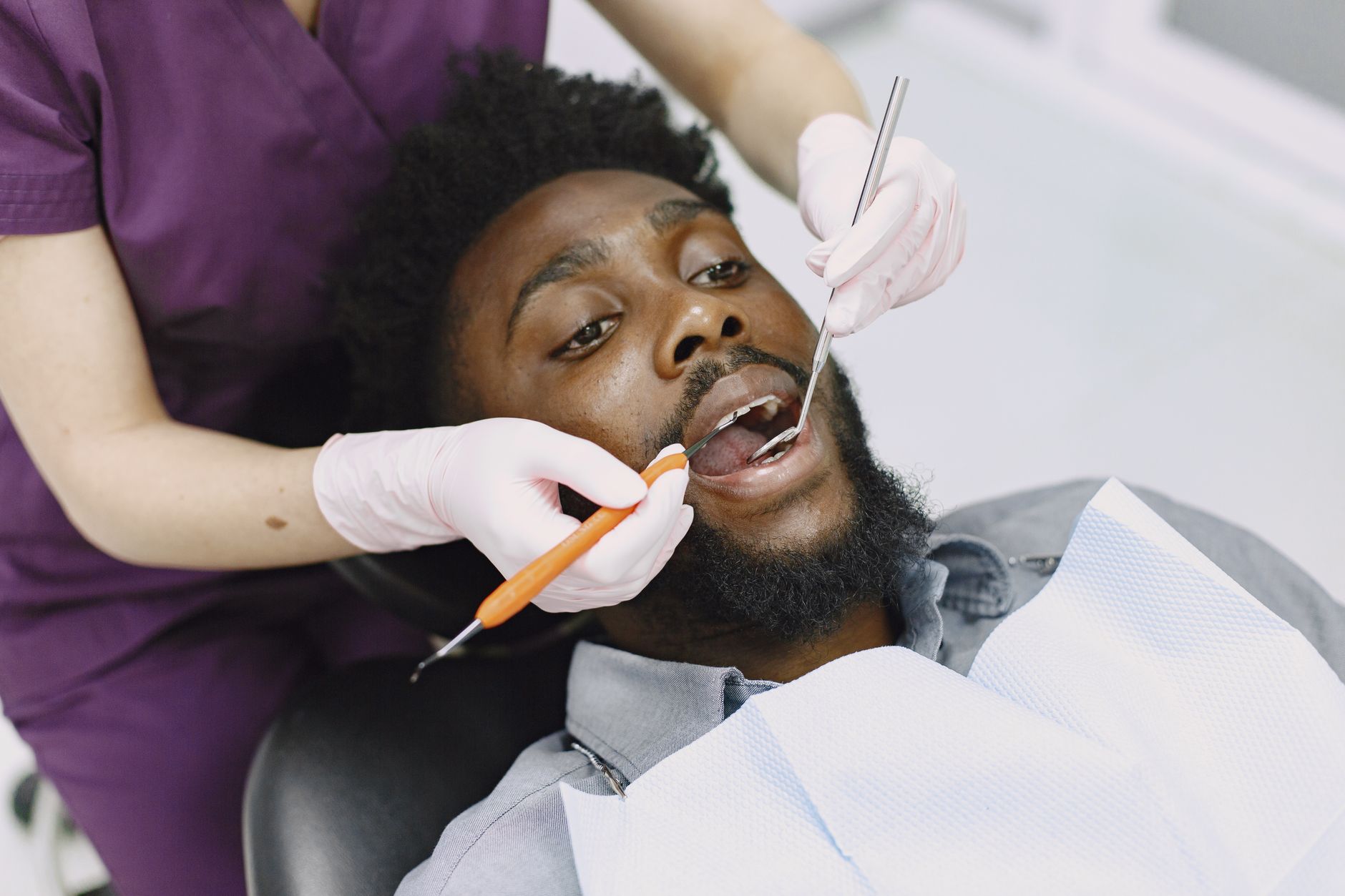
Photo by Gustavo Fring via Pexels
Why popping an abscess yourself is risky
An abscess is your body walling off an infection: it surrounds the bacteria with a pocket of pus to stop them spreading. That wall is doing a job. When you squeeze it or pierce it with something from the bathroom drawer, a few things can go wrong.
- You can push the infection deeper. Pressure sends bacteria backward into the surrounding tissue rather than out, which is how a contained problem turns into a spreading one.
- You add new bacteria. A needle, a pin, or a fingernail is not sterile, so you can seed a second infection into an already open wound.
- You do not reach the source. Even a squeeze that empties the surface pocket leaves the infection inside the tooth (the pulp), or deep in the gum, that keeps feeding it, so it fills straight back up.
Our guide to what a tooth abscess actually is covers how that pocket forms, which is worth understanding before you decide to poke at one.
What happens when an abscess bursts on its own
Sometimes an abscess ruptures by itself. A gum abscess in particular can form a small pimple-like spot, a gum boil, that breaks and drains a foul, salty-tasting fluid. When that happens the throbbing often eases, sometimes sharply, and it is tempting to call it solved.
It is not solved. The drainage lowered the pressure, which is why the pain dropped, but the infection at the root is untouched and builds again. This is the same trap as assuming the problem is gone once the pain stops by itself. Waiting to see whether it sorts itself out is usually the more expensive choice, because the tooth and the bone around it keep taking damage in the quiet stretch. An abscess that drained today still needs the source treated, and it will not go away on its own.
What you can safely do at home right now
You cannot cure an abscess at home, but you can take the edge off while you arrange to be seen. None of this replaces treatment; it buys you a more comfortable few hours.
- Rinse with warm salt water. Half a teaspoon of salt in a cup of warm water, swished gently several times a day. It encourages a surface gum abscess to drain on its own and keeps the area cleaner.
- Take painkillers as directed. Ibuprofen and paracetamol, taken together within the doses on the packet, handle dental pain better than either alone. Our note on painkillers for toothache explains the combination.
- Hold a cold compress against the cheek for facial swelling, twenty minutes on and off.
- Keep your head raised when you lie down, which eases the throb that gets worse at night.
What not to do: do not squeeze it, do not pierce it, do not rest an aspirin against the gum, because it burns the tissue, and do not lean on a leftover course of antibiotics from a drawer. Antibiotics have a role, but they cannot cure an abscess on their own either.
How a dentist actually drains an abscess
Draining an abscess in a clinic is quick, and it is done cleanly under numbing, which is the whole difference from doing it yourself. Depending on where the abscess is and what caused it, treatment is usually one of these:
- Incision and drainage. The area is numbed, a small opening releases the pus, and the pocket is flushed out. The pressure relief is immediate.
- Root canal treatment, when the abscess comes from a dead nerve inside the tooth. It clears the infection from the chamber the drainage cannot reach and lets you keep the tooth.
- Taking the tooth out, if it is too broken down to save. Removing the tooth takes the source with it.
Antibiotics may run alongside any of these when the infection is spreading, but they are the backup, not the fix. The point is that the source gets dealt with, which is exactly what popping it at home cannot do. We treat these at our tooth abscess clinic in Beit Shemesh.
When it is a hospital, not a dentist or a home remedy
Most abscesses are something to be seen for quickly, in the next day or two, rather than the next few minutes. But an infection that is spreading can turn dangerous fast, and some signs mean you skip both the bathroom mirror and the dental chair and go straight to a hospital emergency room:
- Swelling spreading across your face or down into your neck
- Swelling closing an eye, or under the tongue so the floor of your mouth feels raised
- Trouble breathing, swallowing, or opening your mouth
- A high fever with chills, or feeling confused and genuinely unwell
Those mean the infection is moving into spaces where it can threaten your airway, and no home remedy and no prescription moves fast enough to catch that. If you are not sure how urgent yours is, facial swelling from a tooth infection and when a toothache is a real emergency help you judge it.
If you have an abscess and you are standing at the sink weighing up a needle, put it down and call instead. Call or WhatsApp 055-985-8845 and we will tell you honestly whether it needs seeing today or can wait until morning. We are at Harav Kook 28/1 in Beit Shemesh, open Sunday to Thursday 8:00 AM to 8:00 PM and Friday 9:00 AM to 5:00 PM, with after-hours emergency treatment outside those hours. You can send a photo of any swelling first, and we treat these at our emergency clinic in Beit Shemesh.
For guidance from sources with nothing to sell, the ADA's MouthHealthy explains what a dental abscess is and why it needs treating, and the American Association of Endodontists covers how root canal treatment clears an infected tooth.
Common questions
Will popping a tooth abscess make it go away?
My abscess burst on its own, do I still need a dentist?
How can I drain a tooth abscess at home safely?
Does putting aspirin on the gum help an abscess?
How quickly should I see a dentist for an abscess?
Can a tooth abscess be dangerous if I leave it?
Still not sure? Message us.
Send Dr. Gabriel Joel, DMD a quick description of what's going on and we'll point you in the right direction.
Message on WhatsAppDentist in Beit Shemesh — our dental clinic