
Can a Tooth Abscess Go Away on Its Own? What Really Happens
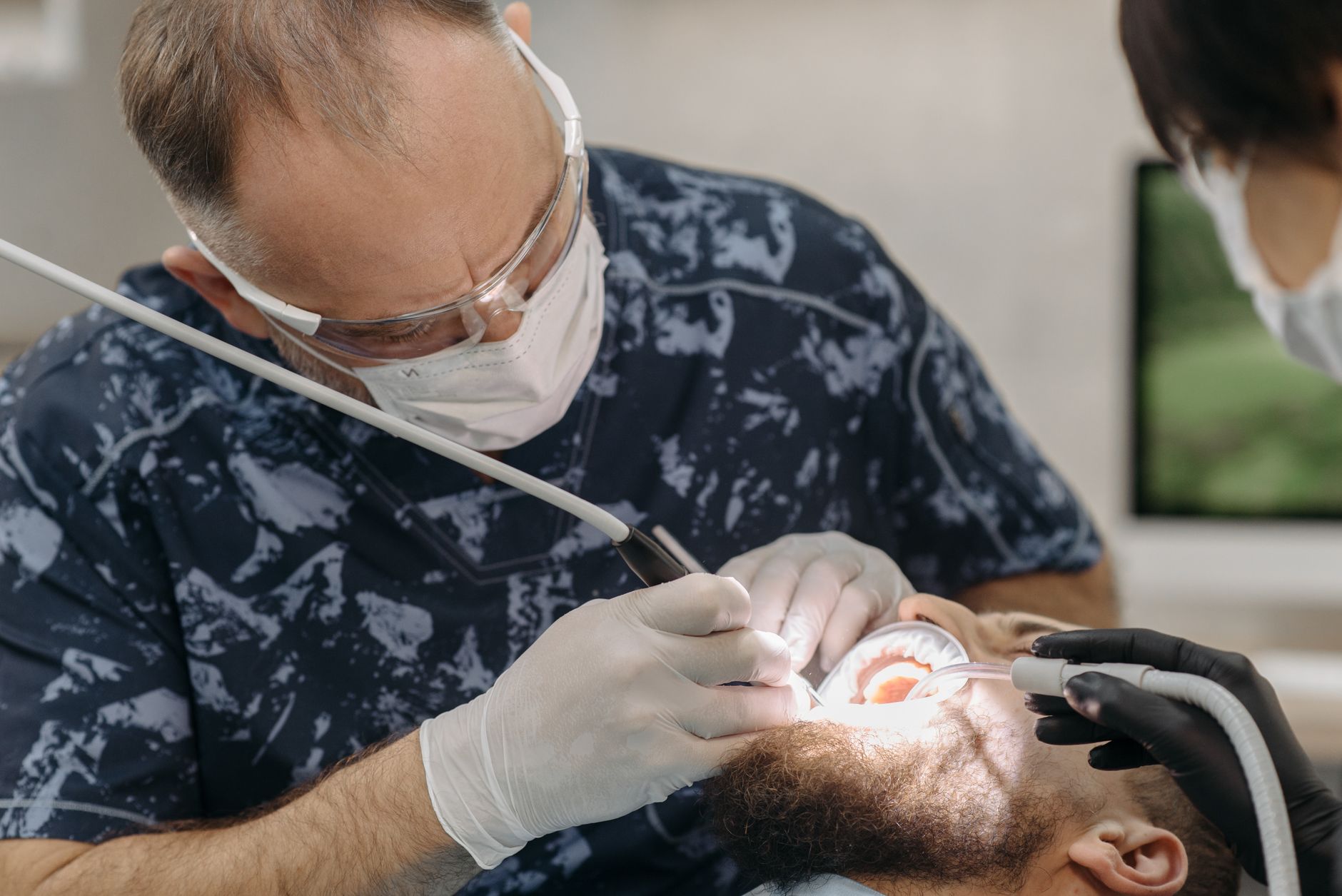
Photo by Pavel Danilyuk via Pexels
Why a Tooth Abscess Can't Heal on Its Own
A cut on your skin heals because blood, and the immune cells it carries, can reach the wound. An abscess at the root of a tooth is walled off from that supply. In most cases the pulp (the nerve and blood vessels inside the tooth) has already died, so there is no living tissue left in there to fight the bacteria. The infection has a sealed space to sit in, and your immune system can hold it back but never finish it off.
That is the whole problem in one line: the body can contain a tooth abscess, but it cannot cure one. The bacteria have to be physically removed, either by clearing out the inside of the tooth or by taking the tooth out. Our overview of what a tooth abscess actually is covers how it forms in the first place.
Why It Sometimes Feels Like It Went Away
Two things happen that convince people the abscess has cleared, and both are misleading.
- The pain suddenly stops. When the nerve inside the tooth finally dies, the tooth goes quiet. It feels like relief, but the infection at the root carries on underneath. A tooth that hurt badly and then went silent is a classic sign the nerve has died, not healed. Our post on the signs a tooth has died explains what that quiet really means.
- The swelling drains and deflates. An abscess often finds its own way out through a small bump on the gum, sometimes called a gum boil, and when it bursts you get a salty or foul taste and the pressure eases. The relief is real but temporary. The channel it drained through keeps leaking pus and the infection stays active. Our guide to a gum boil on the gum covers this.
Neither of these is healing. They are the infection changing shape, not leaving.
What Antibiotics Do and Don't Do
Antibiotics can knock a spreading infection back and settle a swelling, which is why a doctor might prescribe them when your face is swollen. What they cannot do is fix the tooth. Once the course ends, the bacteria still living inside the dead tooth come back, and the abscess returns, often within weeks. Antibiotics buy time and calm things down before treatment; they are not the treatment. We go into this in why antibiotics alone don't cure a tooth infection.
What Happens If You Leave It
Left alone, a tooth abscess does not stay the same size. It slowly destroys the bone around the root, which is why a long-standing one can be almost painless and still be doing real damage. From there it can spread into the jaw, the neck, the sinus, or, in the worst cases, the bloodstream. Those serious cases are uncommon, but they are exactly why leaving an abscess to sort itself out is not a safe bet.
Waiting to see whether it settles is usually the more expensive choice, too. A tooth that could have been saved with a root canal one month can be past saving the next, once the infection has eaten away enough bone. Our post on whether a tooth infection can spread to the rest of the body lays out where it can go.
How a Tooth Abscess Is Actually Treated
The fix is to remove the source of the infection, and there are two ways to do that:
- A root canal, which clears the dead tissue and bacteria out of the inside of the tooth, disinfects the space, and seals it. This saves the tooth, and it is the usual first choice when there is enough healthy tooth left to keep.
- An extraction, which takes the tooth out and the infection with it. This is for teeth too broken or decayed to save.
Either way, the pus is drained and the pressure comes off, which is what actually relieves the pain for good. It is not as bad as the reputation suggests, and a properly numbed tooth means you feel pressure rather than pain during the work.
When It's Urgent and When It Can Wait
Most abscesses need seeing soon but are not a middle-of-the-night crisis. A sore tooth with a small gum boil, no fever, and no facial swelling can usually wait a day for an appointment, though it should not wait a month.
Go straight to a hospital, not a dental clinic, if any of these are happening:
- Swelling spreading across your face or down your neck, or a swelling that is growing by the hour.
- Any trouble breathing or swallowing, or a swelling under the jaw that is pushing your tongue up.
- Swelling closing your eye or spreading toward it.
- A fever, chills, or feeling genuinely unwell alongside the tooth.
Those mean the infection has moved beyond what a dental chair can safely handle, and they need medical care first. Our guide to a swollen face from a tooth covers the earlier stage before it reaches that point.
Think you have an abscess and are not sure how urgent it is? Call or WhatsApp us at 055-985-8845 and describe it, including any swelling and whether you have a fever. If it can wait until morning, we will tell you. If it needs seeing today, we will get you in, and if it needs a hospital rather than us, we will say so. The clinic is at Harav Kook 28/1 in Ramat Beit Shemesh, about half an hour from most of Jerusalem, open Sunday to Thursday 8:00 AM to 8:00 PM and Friday 9:00 AM to 5:00 PM, with after-hours emergency treatment outside those hours. You see Dr. Gabriel Joel, DMD, who trained in the United States, and the whole visit can be in English. Our tooth abscess treatment and emergency dental care pages explain how visits work.
For independent guidance, the ADA's MouthHealthy explains what a dental abscess is and why it needs treating, and the American Association of Endodontists has plain-language information on the tooth symptoms worth acting on.
Common questions
Can a tooth abscess go away on its own?
Why did my tooth abscess stop hurting?
My gum boil burst and drained. Is the abscess gone?
Will antibiotics get rid of a tooth abscess?
How long can a tooth abscess go untreated?
Still not sure? Message us.
Send Dr. Gabriel Joel, DMD a quick description of what's going on and we'll point you in the right direction.
Message on WhatsAppDentist in Beit Shemesh — our dental clinic