
What to Do If Your Tooth Is Loose: The First 24 Hours
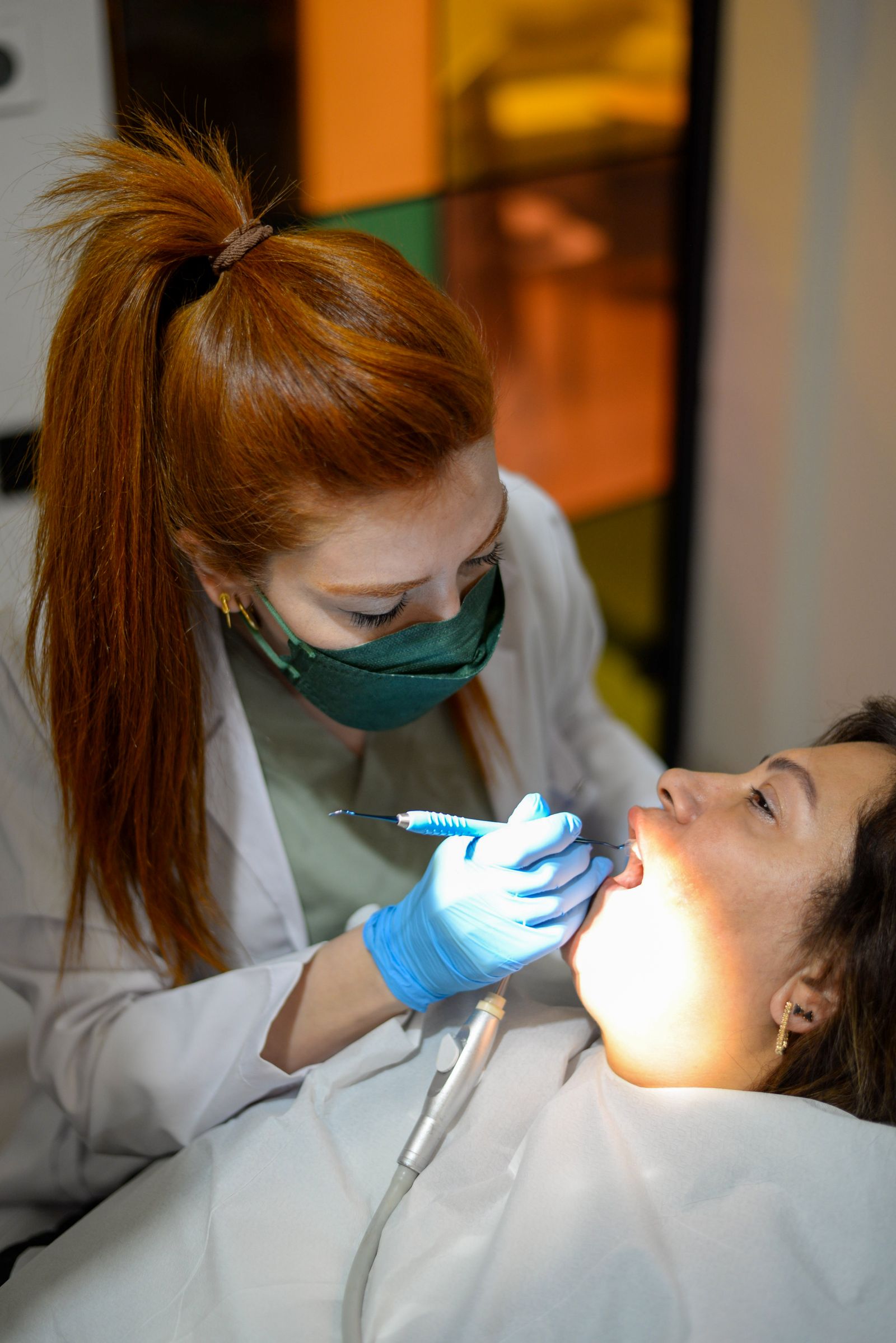
Photo by Arda Kaykısız via Pexels
What to Do Right Now
- Leave it alone. Pushing it with your tongue or finger to check if it is still loose keeps the ligament inflamed. Every test costs the tooth a little of its chance to firm up.
- Eat on the other side. Soft food only for a few days: yoghurt, eggs, rice, soup that has cooled down.
- Keep brushing, gently, with a soft brush. Plaque around a loose tooth makes the gum worse, and a swollen gum makes the tooth looser.
- Rinse with warm salt water (half a teaspoon in a glass) after meals, then spit.
- If it hurts, take the painkiller you normally tolerate at the dose on the packet. Painkillers for a toothache compares the options.
Why a Tooth Goes Loose
A tooth is held in its socket by bone and a thin ligament, not by the gum. It only moves when one of those has been damaged or swollen. In practice that is one of four things:
- Gum disease. The bone around the tooth is slowly lost. This is the most common cause in adults, and it is often painless until late. See whether a loose adult tooth can tighten back up.
- A blow. A knock, a fall or a sports injury can shake a tooth in its socket. A loose tooth after an injury has a time limit, covered below.
- An abscess. Infection at the root tip pushes the tooth upward and loosens it, usually with pain on biting and a swollen gum.
- Heavy biting force. Night-time grinding or one tooth that sits too high can inflame the ligament. Teeth grinding and tooth pain explains how that feels.
You cannot tell these apart by wiggling. That takes an x-ray and a measurement of the gum around the tooth.
If It Followed a Knock, the Clock Is Running
A tooth loosened by a blow can often be splinted to its neighbours so it settles back, but the sooner that happens the better the odds. Do not wait for the swelling to go down first. Call us the same day. If the tooth came fully out instead, that is a different emergency with its own first-aid steps: read how to save a knocked-out tooth.
Getting It Seen in Beit Shemesh
The clinic is at Harav Kook 28/1, open Sunday to Thursday 8:00 AM to 8:00 PM and Friday 9:00 AM to 5:00 PM. Shabbat is reserved for genuine emergencies only. A tooth that loosened after a fall on Thursday night does not need to wait until Sunday, and a tooth that has been slowly loosening for months does not need a midnight message. Knowing which one you have is most of the decision.
Same-day appointments are possible. Dr. Joel is US-trained and treats in English and Hebrew, so you can say exactly whether it moves sideways or sinks when you bite, which is the first detail we ask for. Our emergency dentist in Beit Shemesh page explains how a visit works, and emergency dentist in Ramat Beit Shemesh is about 2 km from the chair.
What the Dentist Does
We check how far the tooth moves and in which direction, measure the gum pockets around it, test the bite and take an x-ray. Depending on what that shows, the treatment is one of these:
- A deep clean when gum inflammation is the cause and enough bone is left.
- A splint after an injury, usually kept on for two to four weeks.
- A bite adjustment when one tooth is taking too much force.
- Root canal treatment when the nerve has died and an abscess is loosening the tooth.
- Extraction only when too little bone remains. Our guide on when a tooth needs to come out explains where that line sits.
When Not to Come to Us First
Go to a hospital emergency room if a loose tooth comes with swelling spreading down your neck or toward your eye, trouble swallowing or breathing, or a high fever. That is an infection moving past the tooth. Dental infection and the emergency room sets out the signs.
And some loose teeth are not urgent. A child's baby tooth is meant to wobble. A tooth with a barely noticeable amount of give that has been the same for years, with no pain, can wait for a routine check. Most people who come to us with a loose tooth have already been prodding it for a week, and the tooth has not enjoyed that.
If a tooth is moving and you are not sure why, call or WhatsApp 055-985-8845. Urgent Dental Care is at Harav Kook 28/1 in Beit Shemesh, with emergency treatment outside regular hours. Tell us whether it followed a knock and how long it has been moving.
For independent reading, see the ADA's MouthHealthy page on gum disease and the American Association of Endodontists on why saving a natural tooth is worth the effort.
Common questions
Is a loose tooth always an emergency?
Can I push a loose tooth back into place myself?
Can a loose tooth heal on its own?
Should I see a dentist in Beit Shemesh the same day for a loose tooth?
Can a loose tooth be saved?
What should I eat with a loose tooth?
Still not sure? Message us.
Send Dr. Gabriel Joel, DMD a quick description of what's going on and we'll point you in the right direction.
Message on WhatsAppDentist in Beit Shemesh — our dental clinic