
Loose Tooth After an Injury: What to Do Right Away
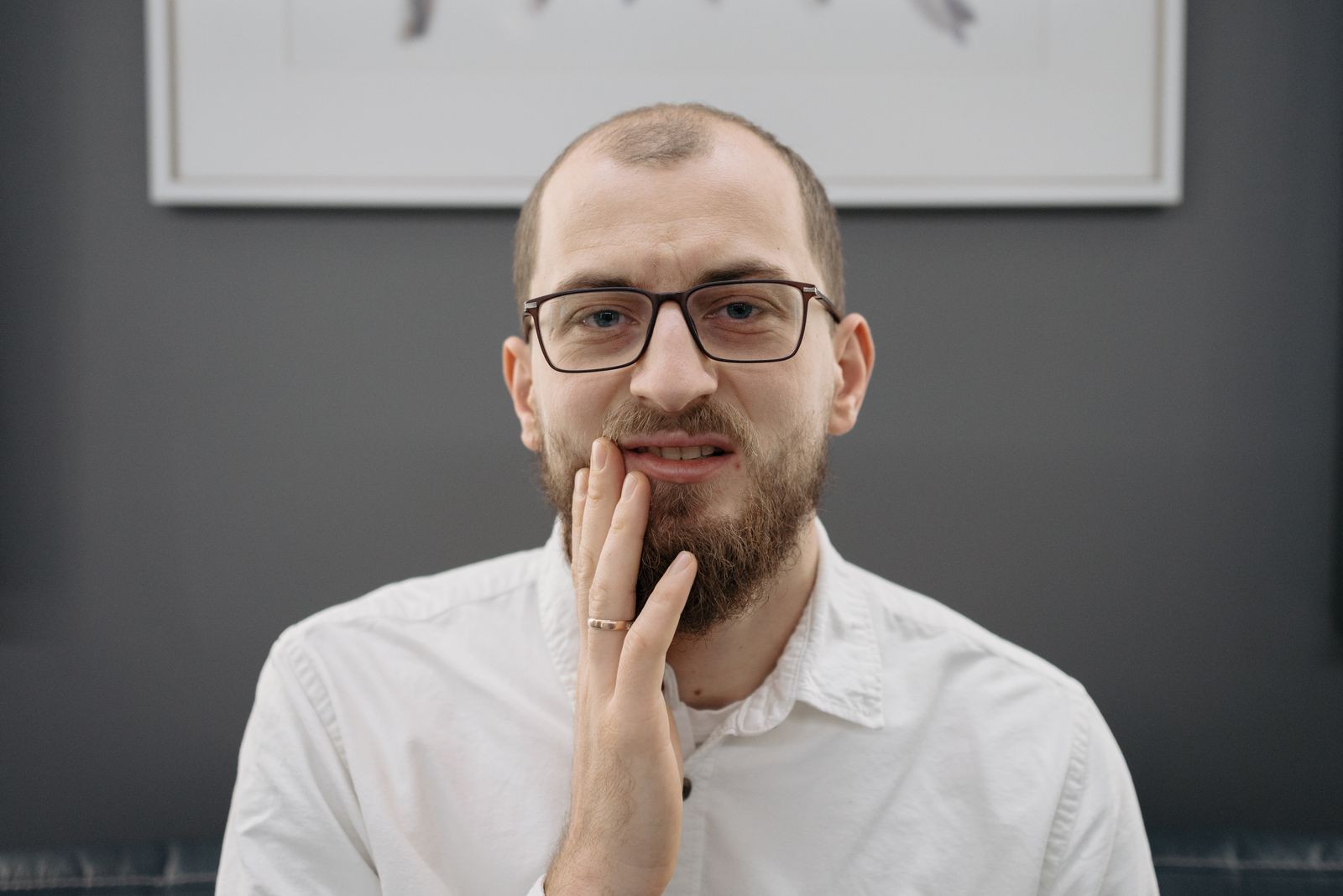
Photo by Pavel Danilyuk via Pexels
What to Do in the First Hour
The first hour after a tooth is knocked loose does more for its survival than anything that comes later. The aim is simple: keep the tooth still and get it looked at fast.
- Leave the tooth where it is. Don't wiggle it to test how loose it is, and don't force it. If it has been pushed out of line, a gentle nudge with a clean finger to guide it roughly back is fine, but no hard pressure.
- Bite gently on clean gauze or a cloth to hold it steady, especially if the gum is bleeding. Light, steady pressure, not clenching.
- Eat nothing on that side. Keep to soft food and cool drinks, and keep your tongue off it. A loose tooth that keeps getting knocked cannot settle.
- Take an over-the-counter painkiller if you need one. Our guide to what actually helps a toothache covers the choices.
- Call a dentist the same day. Even if the tooth feels only slightly loose, the socket and the nerve need checking. This is the step people skip, and it is the one that matters most.
If a piece of the tooth broke off too, keep the fragment in milk or saliva and bring it. Our guides to a chipped front tooth and repairing a broken tooth cover that side of it.
Why a Tooth Comes Loose After a Knock
A tooth is not set in the bone like a fence post in concrete. It hangs in its socket on a thin layer of fibres called the periodontal ligament, which works as a shock absorber. A blow stretches or tears those fibres, and the tooth loosens. Dentists call this a luxation injury.
How loose it is tells you how much was torn:
- Slightly loose, still in place. The fibres are bruised and stretched. These teeth very often tighten back up on their own once they are protected.
- Loose and moved out of line, or pushed up into the gum. More fibres are torn, and the tooth usually needs repositioning and splinting.
- Very loose in every direction. The ligament is badly damaged, and the tooth needs stabilising quickly to have a chance.
The other thing a knock can damage is the nerve and blood supply running into the root. Sometimes that survives. Sometimes it dies quietly over the following weeks or months, which is why a knocked tooth needs following up even after it feels solid again.
When a Loose Tooth Needs Seeing Today
Almost any adult tooth loosened by an injury should be seen the same day, because the sooner it is stabilised, the better it holds. Treat it as urgent, not something to watch for a week, if any of these are true:
- The tooth is clearly out of position, or sitting higher or lower than its neighbours.
- It is very wobbly, or moves when you touch it with your tongue.
- The gum around it keeps bleeding, or the tooth is turning dark.
- It is a child's permanent tooth. Growing teeth after a knock need checking promptly.
A baby tooth in a small child that is slightly loose after a bump is usually not an emergency, and forcing or splinting it can do more harm than good. A quick call still helps you decide. What can genuinely wait until morning is a tooth that took a minor knock, feels only faintly different, is not out of line, and settles within a few hours. Even then, book it in. Our guide to telling a real dental emergency from one that can wait walks through the difference, and what to do in the first ten minutes covers the wider picture.
What the Dentist Does for a Loosened Tooth
The visit is usually quicker and calmer than people expect, and there is often no drilling on the day.
- Checks and repositions. If the tooth has moved, the dentist eases it back into the right place, gently and with the area numbed.
- Splints it. A thin, flexible splint bonded to the tooth and its neighbours holds it still while the fibres heal, much like a cast for a broken finger. It usually stays on for a couple of weeks.
- Takes an X-ray. This checks for a hidden root fracture and gives a baseline to compare against later.
- Tests the nerve. The dentist notes how the nerve responds now, then re-checks at follow-up visits, because nerve damage from a knock can show up weeks afterward.
Most loosened teeth caught early do not need a root canal straight away. Some need one later if the nerve dies, and the follow-up visits are how that gets caught before it becomes an infection.
What Happens to the Tooth Afterward
Most teeth that were only loosened, and were splinted early, tighten up and carry on for years. A few things are worth watching for in the months after:
- The tooth darkening. A knocked tooth that turns grey or brown is usually a sign the nerve has died. That is treatable, and our guide to a dead tooth's warning signs explains what to look for.
- A gum boil or swelling near the tooth, which points to an infection setting in at the root.
- Pain on biting that starts up weeks later rather than easing.
Here is the honest part, and it applies to almost every dental problem: waiting to see if it settles is usually the more expensive choice. A knocked tooth seen the same day is often just a splint and a few check-ups. The same tooth ignored, left to have its nerve die and get infected, becomes a root canal, sometimes an abscess, and occasionally a tooth that can no longer be saved. The early visit is the cheap one.
When It's a Hospital, Not a Dentist
A loose tooth on its own is a dentist's job. But a blow hard enough to loosen a tooth can do more than that, and some injuries need a hospital emergency room first. Go there, not to a dental clinic, if there is:
- A possible broken jaw: pain on opening or closing, teeth that no longer meet properly, or numbness along the jaw or lip.
- A deep cut to the lip, tongue, or face that may need stitches.
- A head injury with any loss of consciousness, confusion, vomiting, or a bad headache.
- Bleeding that will not stop with steady pressure.
Get the more serious injury dealt with first. The tooth can be splinted shortly after; those other things can't wait. If you are not sure, a hospital is the safer call.
If a tooth has been knocked loose, call or WhatsApp 055-985-8845 and send a photo if you can. We will tell you whether it needs stabilising today or can wait, and if it is a minor knock that will settle on its own, we will say so rather than treat it. We are in Ramat Beit Shemesh, open Sunday to Thursday 8:00 AM to 8:00 PM and Friday 9:00 AM to 5:00 PM, with after-hours emergency treatment outside those hours. Our emergency dentist and same-day treatment pages explain how we handle a knocked or loosened tooth.
For guidance from sources with nothing to sell, the ADA's MouthHealthy explains what counts as a dental emergency, and the American Association of Endodontists covers traumatic dental injuries and loosened teeth and cracked and injured teeth in more detail.
Common questions
Can a loose tooth tighten back up after an injury?
How long does it take for a loose tooth to firm up?
Should I pull out a tooth that is loose from a knock?
Is a loose adult tooth after a knock an emergency?
Will a loose tooth need a root canal?
My child's tooth is loose after a fall. What should I do?
Why did my knocked tooth turn grey?
Still not sure? Message us.
Send Dr. Gabriel Joel, DMD a quick description of what's going on and we'll point you in the right direction.
Message on WhatsAppDentist in Beit Shemesh — our dental clinic