
Tooth Pain After a Crown: Is It Normal or a Problem?
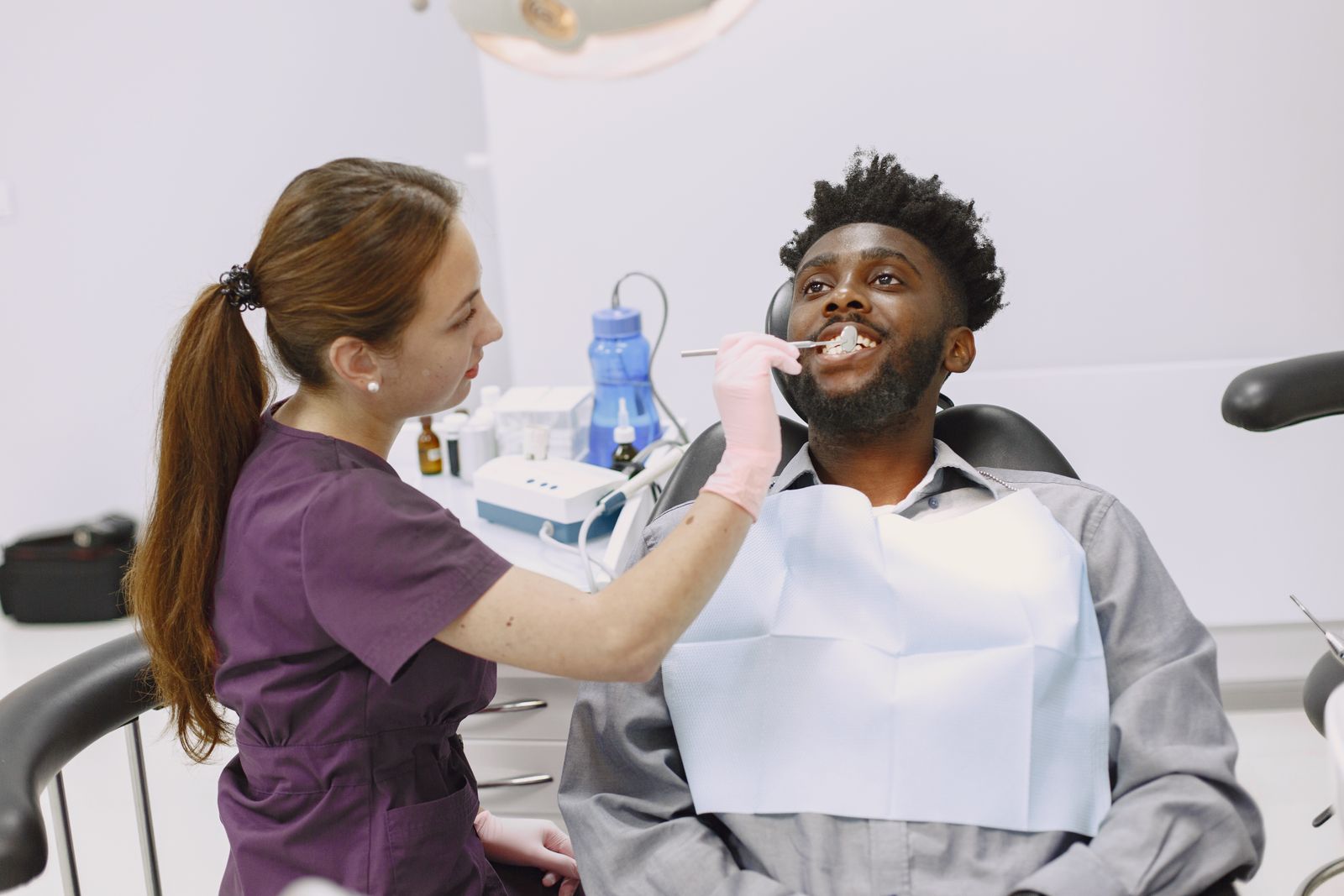
Photo by Gustavo Fring via Pexels
Is Tooth Pain After a Crown Normal?
Often, yes. Fitting a crown means the tooth was drilled and shaped, an impression or scan was taken, and the gum around it was handled, sometimes over two visits with a temporary crown in between. All of that irritates the tooth and the gum, and they need a little time to calm down. Mild soreness, tenderness in the gum, and a short zing of cold sensitivity in the first week or two are the tooth settling, not a sign the crown is wrong.
The nerve inside the tooth (the pulp) sits under all that work, and it does not love being disturbed. On most teeth it quietens down over days. The pain to take seriously is the kind that heads the wrong way: worse each day instead of better, sharp on every bite, or a throb that builds and lingers. That is the tooth telling you something needs adjusting or the nerve is in trouble, which the next sections cover.
How Long Should the Pain Last?
As a rough guide, the settling kind of soreness eases over one to two weeks and shrinks a little each day. Cold sensitivity is usually the last thing to go and can hang on a bit longer on a tooth that had a deep filling underneath. If things are trending the right way, gently improving, you are almost certainly fine to let it settle.
What is not normal is pain that is still there, or worse, after two weeks, or pain that was fine and then flared up later. A crown that was comfortable for months and then starts to ache is not settling anymore; something new is going on underneath, and it wants checking. Trust the direction more than the day count: better each day is reassuring, worse each day is not.
What Causes Pain After a New Crown
A few different things make a crowned tooth hurt, and they need different fixes:
- The bite is too high. If the new crown sits a fraction proud, that tooth hits first every time you close, and it gets sore and tender to bite on. This is the most common cause of lingering pain after a crown, and it is a two-minute fix. More on it below.
- Cold or sweet sensitivity. A tooth under a new crown can react to cold for a while, especially if it still has a live nerve. A brief zing that fades in seconds is the irritated-but-healthy kind, the same as our guide to a tooth sensitive to cold describes.
- A sore gum around the crown. The gum gets pushed and handled while the crown is fitted, and leftover cement at the edge can irritate it. A tender, slightly swollen gum right at the crown margin usually settles as it heals.
- An inflamed or dying nerve. Sometimes the tooth needed more than a crown, and the nerve was already on its way out or the drilling tipped it over. That shows up as lingering, throbbing, or spontaneous pain, and it means a root canal, covered further down.
- The temporary crown stage. A temporary crown is less snug than the final one, so some sensitivity while you are wearing it is normal and often improves once the permanent crown goes on.
When the Bite Is Too High
This one is worth singling out because it is common, it is easily mistaken for something serious, and it is quick to fix. When a crown sits even slightly high, that tooth takes more force than it should on every bite and every clench. The result is a tooth that aches, feels bruised, and is sore to chew on, often getting worse over the first few days rather than better as the tooth is overworked.
The giveaway is that the pain is mostly about biting and pressure, rather than hot and cold. If a new crown feels like it hits first when you close your teeth, or you find yourself avoiding chewing on it, call and ask to have the bite checked. Adjusting a high crown takes a minute or two of polishing the surface down, with no numbing needed, and the relief is usually quick once the tooth stops being overloaded. Our guide to tooth pain when biting down goes into why a high spot hurts the way it does.
When a Crowned Tooth Needs a Root Canal
Now and then a crown is fitted and the nerve underneath does not recover. It may have been more damaged than it looked, or the work of preparing the tooth was the last straw for a nerve that was already struggling. When the nerve dies or gets infected, no bite adjustment will settle it, and the tooth needs a root canal to clean the infected nerve out.
The signs point away from a simple settling tooth:
- Pain that lingers for minutes after something hot or cold, rather than fading in seconds.
- A deep throb that starts on its own, with no trigger.
- Pain that wakes you at night.
- A pimple or bump on the gum near the crown, or a bad taste that keeps coming back.
- Swelling of the gum, cheek, or face on that side.
The good news is that a root canal can almost always be done straight through the crown you already have, without removing it, as our guide to a root canal through an existing crown explains. Our page on an infection in a crowned tooth covers what to watch for.
What to Do While It Settles, and When to Call Us
For the ordinary settling soreness in the first week or two:
- Chew on the other side for a few days to give the tooth a rest.
- Take an over-the-counter painkiller as directed if you need it.
- Go easy on very hot, very cold, and very hard or sticky foods while the tooth calms down.
- Keep the area clean, brushing gently around the crown and along the gum.
Call and ask to be seen if the pain is not improving after a couple of weeks, if the crown feels high or sore to bite on, or if you get lingering, throbbing, or night-time pain, swelling, or a bump on the gum. None of those settle on their own, and a high bite in particular is a fast fix that there is no reason to put up with.
What is not a dental appointment at all: swelling spreading toward your eye or down your neck, a fever with a swollen face, or any trouble breathing or swallowing. Go straight to a hospital emergency room, because a spreading infection is dangerous whatever tooth started it. Our guide to when a toothache is a real emergency helps you tell the two apart.
If a crowned tooth is aching, feels high when you bite, or the pain is getting worse instead of better, call or WhatsApp 055-985-8845 and we will check the bite and the tooth. We are in Ramat Beit Shemesh, open Sunday to Thursday 8:00 AM to 8:00 PM and Friday 9:00 AM to 5:00 PM, with after-hours emergency treatment outside those hours. Our guide to what a dental crown is explains how the cap protects the tooth, and our root canal treatment page covers what happens if the nerve needs treating.
For guidance from sources with nothing to sell, the ADA's MouthHealthy explains what dental crowns are and how they are used, and the American Association of Endodontists covers when a tooth needs a root canal.
Common questions
Is it normal for a tooth to hurt after a crown?
How long should tooth pain after a crown last?
Why does my crown hurt when I bite down?
Can a tooth under a crown need a root canal?
Why is my new crown sensitive to cold?
When should I call the dentist about pain after a crown?
Still not sure? Message us.
Send Dr. Gabriel Joel, DMD a quick description of what's going on and we'll point you in the right direction.
Message on WhatsAppDentist in Beit Shemesh — our dental clinic