
Throbbing Toothache: What Causes It and What to Do
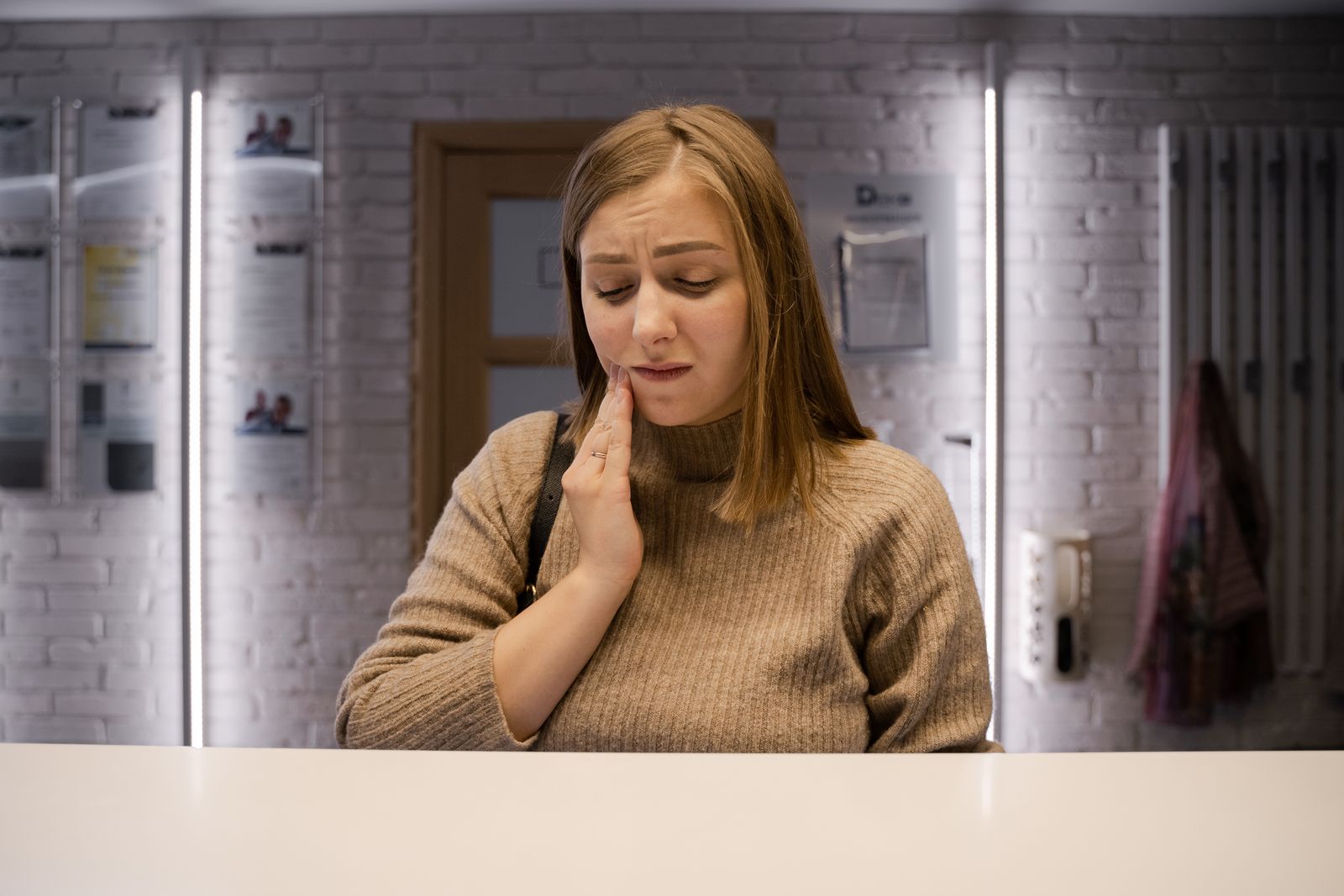
Photo by Pavel Danilyuk via Pexels
What a throbbing toothache is telling you
Pain that throbs is different from a quick twinge. A zing to something cold that fades in a second or two is usually sensitivity, and it is a different, milder problem. A deep, steady, pulsing ache means the nerve is under real pressure, and that pressure comes from inflammation.
Inside every tooth is the pulp, a small core of nerve and blood vessels sealed inside hard walls. When decay, a crack, or infection reaches it, the pulp swells the way any inflamed tissue does. But it has nowhere to go. The swelling pushes against walls that will not move, and each pulse of blood from your heartbeat adds to that pressure. That is why the ache throbs, and why it can feel like it has a heartbeat of its own.
The practical point is this: a throbbing tooth has usually moved past the early, reversible stage. It is not a signal to wait and see. It is a signal that the inside of the tooth is in trouble and needs looking at.
The usual causes of a throbbing toothache
Several different problems end in the same throbbing pain, because they all end in the same place: an irritated nerve. The likeliest ones:
- Deep decay. A cavity that has worked through the enamel into the softer layers is the most common cause. Once it reaches the pulp, the tooth throbs.
- A dental abscess. A pocket of infection at the root brings a deeper, more constant throb, often with swelling or a bad taste. Our guide to what a tooth abscess is covers the warning signs.
- A cracked tooth. A crack can let bacteria and temperature changes reach the nerve, and it often hurts most when you bite down and let go.
- A lost or leaking filling. When a filling falls out or fails, the exposed part of the tooth is suddenly open to everything, and the nerve reacts.
- Gum infection. Advanced gum disease can cause a deep, throbbing ache around a tooth rather than inside it.
- A sinus problem. Upper back teeth sit close to the sinuses, so a sinus infection can feel like toothache, usually across several teeth at once and worse when you bend over.
You often cannot tell which of these it is from the outside, and the treatment is different for each. That is what an examination, and usually an X-ray, sorts out. Our main guide to toothaches goes through the causes in more depth.
How to ease a throbbing tooth right now
None of the following fixes the cause, but all of it takes the edge off while you arrange to be seen. Use it to get comfortable and to sleep, not as a reason to skip the appointment.
- Take an anti-inflammatory. Ibuprofen, with food and to the dose on the packet, works better on a throbbing tooth than paracetamol alone, because the throb is inflammation. Which painkillers help a toothache covers doses and safe combinations.
- Rinse with warm salt water. Half a teaspoon of salt in a glass of warm water, swished gently and spat out, settles an irritated gum. Repeat it a few times a day.
- Hold a cold pack to the cheek. Cold numbs the ache and calms swelling. Wrap an ice pack or a bag of frozen peas in a thin towel and hold it on in short spells. Cold on the outside, never heat on a swollen face.
- Keep your head propped up. Lying flat sends more blood to your head and makes the tooth throb harder.
- Avoid the triggers. Very hot, very cold, and sweet foods provoke an irritated nerve. Chew on the other side and keep things lukewarm.
For more on holding a tooth steady before an appointment, see our guide to dental pain relief. One thing to skip: resting an aspirin against the gum, which burns the tissue and leaves a chemical sore on top of the toothache you started with.
Why it throbs worse at night
Almost everyone with a throbbing tooth notices it peaks the moment they lie down. There is a physical reason. When you are upright, gravity helps drain blood away from your head. When you lie flat, more of it pools around the head and the inflamed tooth, and that added pressure makes the throb stronger. There are fewer distractions after dark too, so the pain has the floor.
Propping your head up on an extra pillow helps a little. Our guides to why a toothache gets worse at night and how to sleep with a toothache go through the rest.
When a throbbing toothache is an emergency
Most throbbing teeth are a same-day or next-few-days visit, not a crisis, and the measures above will hold you until then. Some signs mean you should stop reaching for the medicine cabinet and be seen quickly.
Be seen the same day if you have swelling in the face or gum, a fever alongside the pain, a gum boil that keeps coming back with a bad taste, or pain that no painkiller touches at all. Those point to an infection that has taken hold.
Go straight to a hospital emergency room, not a dental clinic, if swelling is spreading toward your eye or down your neck, you have trouble breathing or swallowing, you cannot open your mouth more than a finger's width, or you have a high fever with chills and feel genuinely unwell. Facial swelling from a tooth that is moving fast is beyond what a dental chair is built for. We set out exactly where that line sits in when a toothache is a dental emergency.
If the throbbing suddenly stops
It is tempting to treat a toothache that goes quiet on its own as good news. Usually it is not. When a badly inflamed nerve finally dies, the pain can switch off for days or weeks, but the cause has not gone anywhere. The dead nerve becomes a home for infection, and the tooth tends to flare again later as an abscess, often worse than before.
Waiting to see whether it settles is usually the more expensive choice. A tooth caught while the nerve is still alive is often a root canal, and the same tooth left until the infection spreads can become an extraction. What happens if you skip the root canal and the signs of a dead tooth both spell out where that road leads.
The short version: a throbbing toothache almost always means an inflamed or infected nerve, and it rarely settles for good on its own. An anti-inflammatory, a salt rinse, a cold pack, and a propped-up head will get you through the night. Swelling, fever, or pain nothing touches should be seen the same day, and if the throbbing goes quiet, do not read it as cured.
We treat tooth pain, infections, and abscesses at our emergency dental clinic in Beit Shemesh, at Harav Kook 28/1. Call or WhatsApp 055-985-8845, Sunday to Thursday 8:00 AM to 8:00 PM and Friday 9:00 AM to 5:00 PM, with after-hours emergency treatment outside those hours. You can send a photo or a recent X-ray before you come in. If any of the emergency signs above apply, though, do not message first: go straight to a hospital emergency room.
For guidance from sources with nothing to sell, the ADA's MouthHealthy runs through the most common dental symptoms and what they mean and which ones count as an emergency, and the American Association of Endodontists explains what different kinds of tooth pain point to.
Common questions
What does a throbbing toothache mean?
How do I stop a throbbing toothache fast?
Why does my toothache throb more at night?
Is a throbbing toothache an emergency?
Can a throbbing toothache go away on its own?
Does a throbbing tooth always need a root canal?
Still not sure? Message us.
Send Dr. Gabriel Joel, DMD a quick description of what's going on and we'll point you in the right direction.
Message on WhatsAppDentist in Beit Shemesh — our dental clinic