
Cracked Tooth: How Long Can You Safely Wait to Treat It?
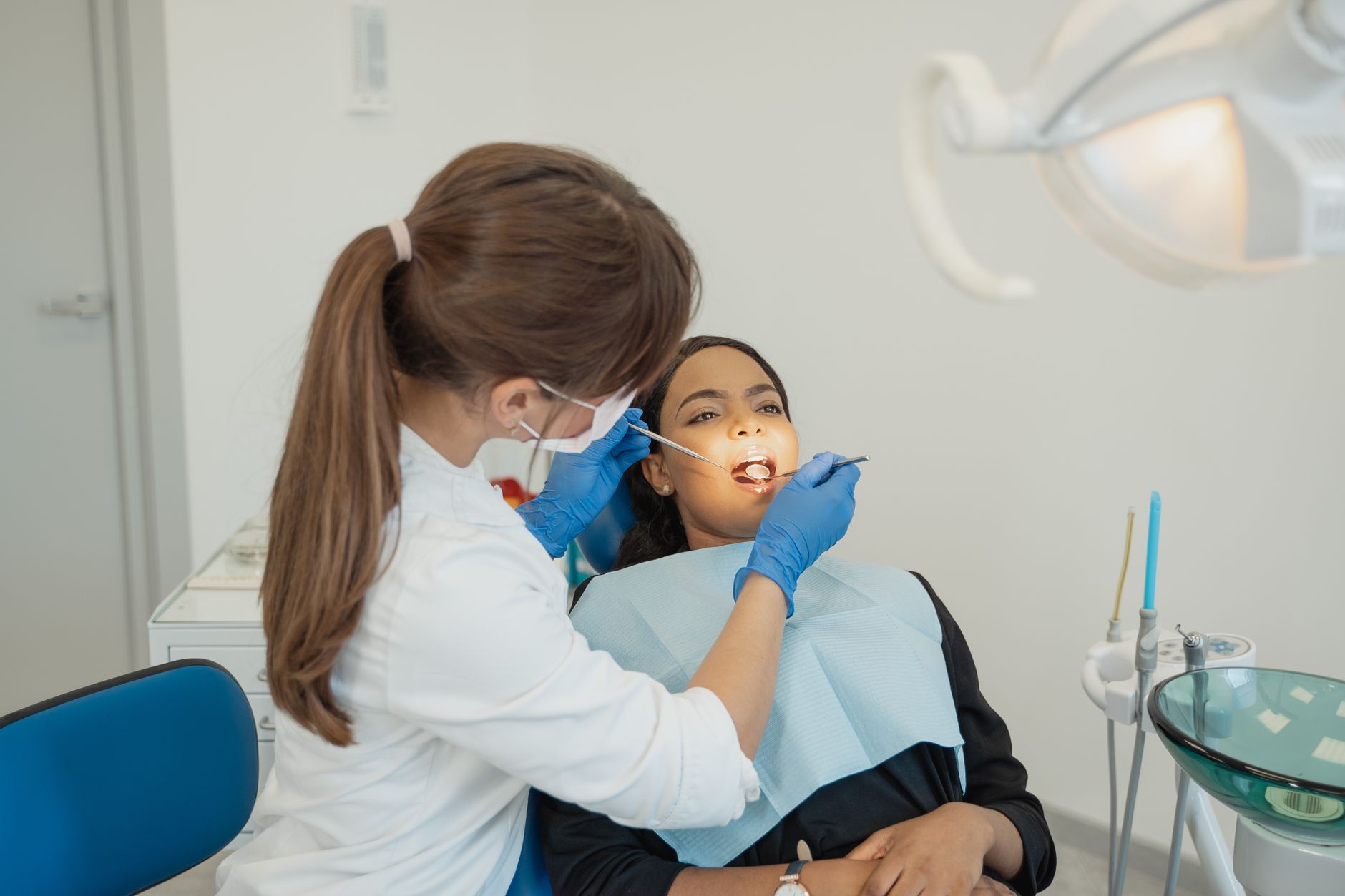
Photo by Tima Miroshnichenko via Pexels
Why a Cracked Tooth Won't Just Wait
Unlike a broken bone, a cracked tooth cannot knit back together. Every time you bite, the crack flexes open a fraction and closes again. Over weeks and months that repeated movement works the crack deeper, the same way a small chip in a windscreen slowly runs across the glass.
The danger is not the crack you can see, but where it is heading. A crack that reaches the pulp (the nerve inside the tooth) lets bacteria in and usually means a root canal. A crack that runs below the gum and splits the root often cannot be saved at all. Treating it earlier, while it is still shallow, is what keeps the choice in your hands.
How Long You Can Wait, by Symptom
Match your situation to the closest description below. When in doubt, treat it as the more urgent one.
- No pain, a faint line you can barely see: often a craze line in the enamel, which is cosmetic and common. This can usually wait for a routine check-up, but mention it so it can be watched.
- Sharp pain when you bite, then a jolt when you let go: this release pain is the classic sign of a crack that has reached the dentine. See a dentist within a week or two, before it deepens. Our post on tooth pain when biting down explains why this happens.
- Sensitivity to hot, cold, or sweet that lingers: the crack is irritating the nerve. Do not leave this longer than a few days.
- A piece has broken off, or the tooth aches on its own: the crack may have reached the nerve. This needs to be seen within a day or two. See our guide on repairing a broken tooth.
- Constant throbbing, swelling, or a bad taste: the tooth is likely infected. This is urgent, same day if possible.
Signs You Shouldn't Wait at All
Some cracks stop being a wait-and-see problem. Get seen the same day, or as an emergency, if you have any of these:
- A large piece of the tooth has broken away and the inside feels sharp or raw.
- Constant, throbbing pain rather than pain only when you bite.
- Swelling in the gum or face near the tooth, or a bad taste, which point to infection.
- Bleeding from the tooth itself, or a visibly pink or red centre, which can mean the pulp is exposed.
A crack that has reached the nerve often needs a root canal to save the tooth, and the sooner that happens the better the odds. Our post on an emergency root canal covers what that involves, and toothache versus abscess helps you tell an ache from an infection.
What to Do While You Wait
Whatever your timeframe, protect the tooth until it is treated:
- Chew on the other side and avoid hard, crunchy, or chewy food that flexes the crack.
- Keep very hot and very cold food and drink away from that tooth.
- If a sharp edge is cutting your tongue or cheek, dental wax from a pharmacy can cover it temporarily.
- Take a painkiller you tolerate at the packet dose if it is sore.
None of this repairs the crack, it only buys time. If pain builds or swelling appears while you wait, move your appointment up. Our note on easing tooth pain until your appointment has more.
When It's Genuinely Fine to Wait
Not every cracked tooth is an emergency, and it does no good to panic over a hairline you can barely find. A shallow craze line in the enamel with no pain, no sensitivity, and no rough edge is usually cosmetic. It is worth having checked at your next routine visit so it can be tracked, but it does not need an emergency appointment, and we will tell you as much rather than book you in for something that can wait.
The line to watch for is symptoms. The moment a quiet crack starts to hurt when you bite, reacts to temperature, or a piece comes away, it has moved into the do-not-wait group.
Not sure how urgent your cracked tooth is? Call or WhatsApp us at 055-985-8845, describe what you are feeling, and we will tell you honestly whether you need to be seen today or whether it can wait. If it can wait, we will say so. The clinic is at Harav Kook 28/1 in Ramat Beit Shemesh, about half an hour from most of Jerusalem, open Sunday to Thursday 8:00 AM to 8:00 PM and Friday 9:00 AM to 5:00 PM, with after-hours emergency treatment outside those hours. You see Dr. Gabriel Joel, DMD, who trained in the United States, and the whole visit can be in English. Our cracked tooth repair page and emergency dental care page explain how visits work.
For independent guidance, the American Association of Endodontists explains the different types of cracked teeth and how they are treated, and the ADA's MouthHealthy covers handling a dental emergency.
Common questions
Can a cracked tooth heal on its own if I wait?
How long can I wait if my cracked tooth doesn't hurt?
What happens if I leave a cracked tooth too long?
Why does my cracked tooth only hurt when I bite down?
How do I protect a cracked tooth until my appointment?
Still not sure? Message us.
Send Dr. Gabriel Joel, DMD a quick description of what's going on and we'll point you in the right direction.
Message on WhatsAppDentist in Beit Shemesh — our dental clinic