
How Long Does Tooth Extraction Pain Last? A Timeline
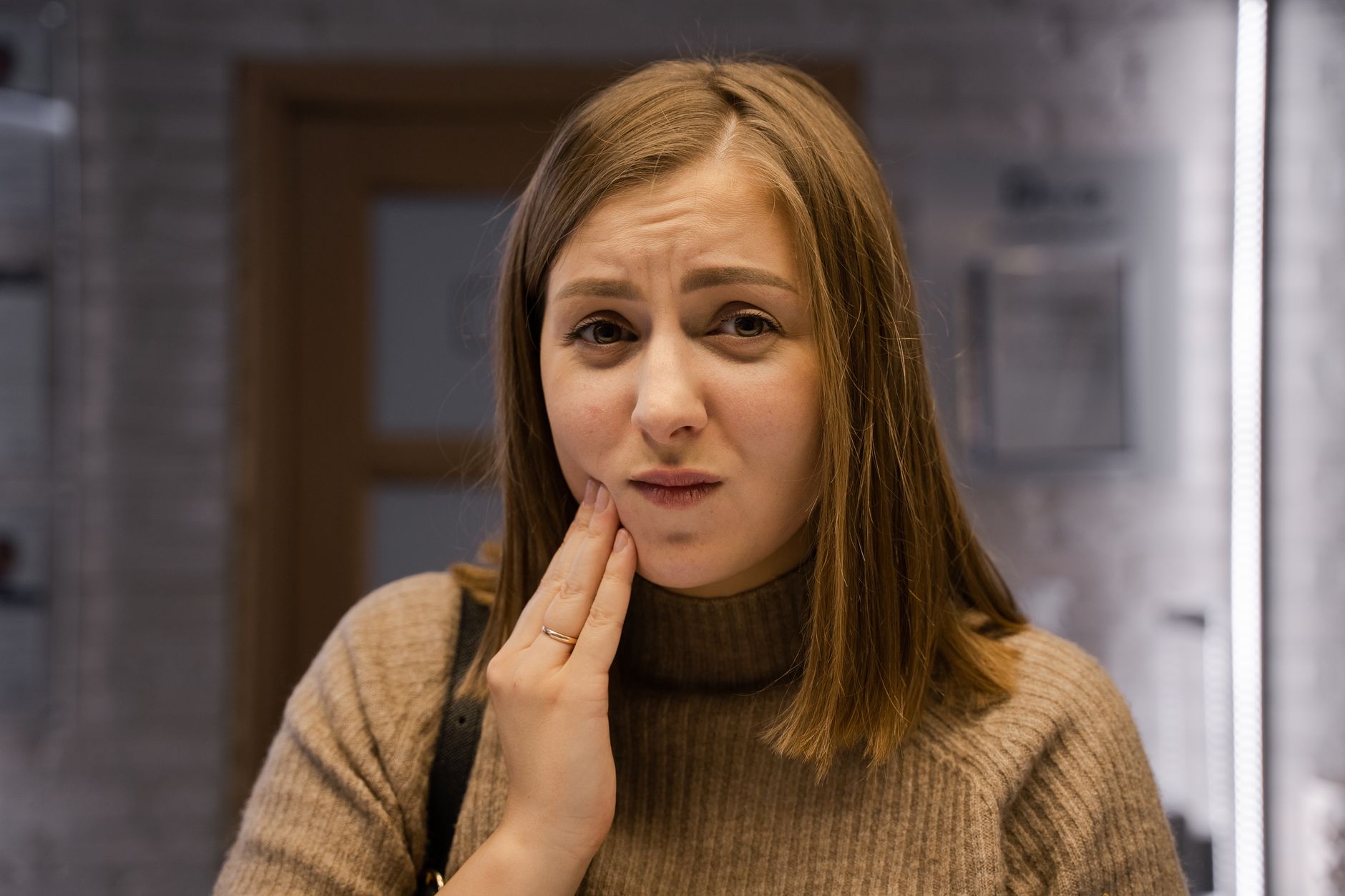
Photo by Pavel Danilyuk via Pexels
The tooth extraction pain timeline, day by day
Every mouth heals on its own schedule, but a straightforward extraction tends to follow the same arc.
- The day of the extraction. The anaesthetic wears off after two to four hours and the socket starts to ache. This is the day to stay ahead of the pain with painkillers on a schedule rather than waiting for it to build.
- Days one to two. This is the peak. Throbbing, tenderness, and some swelling around the jaw are all normal, and the swelling is often worst on the second morning rather than the first.
- Days three to five. The corner turns. Pain drops to a dull soreness that an ordinary painkiller handles, and the swelling starts going down.
- Days five to seven. Most people are eating normally on the other side and barely notice the site. The gum is still knitting together underneath, but the painful part is largely done.
Under the gum, the socket takes longer than the pain does. The soft tissue closes over in a few weeks and the bone fills in across a few months, but none of that is something you feel. Once the surface soreness has gone, the tooth is behind you even while the socket is quietly rebuilding.
Why a surgical extraction hurts for longer
Not every extraction is the same job. A tooth that lifts straight out leaves a smaller wound than one the dentist had to section or reach by moving gum and bone.
- Simple extraction: a visible tooth taken out in one piece. Soreness for a couple of days, mostly gone within a week.
- Surgical extraction: a broken or impacted tooth reached through the gum, sometimes removed in pieces. Expect more swelling and seven to ten days of tenderness. Our page on what a surgical tooth extraction involves explains why.
- Wisdom teeth: often the most involved of the lot, especially lower ones lying sideways. Wisdom tooth extraction recovery sits at the longer end of the range.
Age, smoking, and how many roots the tooth had all nudge the timeline as well. None of that changes the shape of the recovery, only its length.
When the pain is normal, and when it is dry socket
Here is the distinction worth learning, because it decides whether you sit tight or pick up the phone. Normal recovery pain improves. Every day should be a little better than the one before.
Dry socket is what happens when the blood clot protecting the socket comes loose or dissolves too early, leaving bare bone exposed. The tell is the timing. The pain eases for two or three days as expected, then comes roaring back around day three to five, often worse than the original toothache, throbbing up toward the ear, with a bad taste and an empty-looking socket. That is not one to wait out. Dry socket after an extraction is treated in a few minutes in the chair, and the treatment is mostly about getting you out of pain quickly.
You improve your own odds of avoiding it by leaving the clot alone: no smoking, no straws, and no vigorous rinsing or spitting for the first day or two. The ADA's guidance on dry socket says the same.
How to keep extraction pain down while it heals
- Bite on the gauze for the first hour to settle the bleeding, and change it if it soaks through.
- Take painkillers on schedule through the first day rather than chasing the pain. Ibuprofen and paracetamol together handle extraction pain better than either alone, if you can take both.
- Ice the cheek in twenty-minute stretches on the first day to hold the swelling down, then switch to warm salt-water rinses from the second day.
- Keep your head propped up the first night. Lying flat sends more blood to the area and makes the throb worse at night.
- Eat soft and cool, on the other side of your mouth. Our list of what to eat after a tooth extraction keeps you fed without disturbing the socket.
Waiting to see whether a tooth problem sorts itself out is usually the more expensive choice. This is the one situation where a little patience is right: expected, improving soreness in the first few days is the wound doing its job, and it does not need an emergency visit.
When to be seen, and when you can wait
Most extraction recoveries never need a follow-up call. Sore, steadily improving, back to normal within a week is textbook, and you do not need us for it. Call a dentist within a day or so if:
- Pain gets worse after day three instead of better
- You have a deep throb toward the ear with a bad taste, which points to dry socket
- Bleeding is still soaking gauze several hours later despite firm pressure
- Swelling is still growing after day three rather than settling
Go straight to a hospital emergency room, not a dentist, if you have trouble breathing or swallowing, swelling spreading down the neck or toward an eye, or a high fever with chills and feeling genuinely unwell. Those are signs an infection is moving into spaces a dental chair is not built for, and they need a hospital that night.
The short version: reckon on one to three days of real soreness, easing to background tenderness within a week, and up to seven to ten days if the tooth had to be cut out. Improving pain is healing. Pain that climbs back after day three is worth a call.
We handle extractions and post-extraction problems at our dental clinic in Beit Shemesh, at Harav Kook 28/1. Call or WhatsApp 055-985-8845, Sunday to Thursday 8:00 AM to 8:00 PM and Friday 9:00 AM to 5:00 PM, with after-hours emergency treatment outside those hours. If you had a tooth out and the pain is not behaving the way it should, you can send a photo of the socket before you come in, and our emergency dental service can see you the same day.
For guidance from a source with nothing to sell, the ADA's MouthHealthy covers what to expect after a tooth is removed.
Common questions
How long does pain last after a tooth extraction?
Is it normal for the pain to get worse after three days?
How long does jaw pain last after a tooth extraction?
When should extraction pain be completely gone?
What helps tooth extraction pain the most?
Can I make the pain last longer by doing something wrong?
Still not sure? Message us.
Send Dr. Gabriel Joel, DMD a quick description of what's going on and we'll point you in the right direction.
Message on WhatsAppDentist in Beit Shemesh — our dental clinic