
How Long Does a Tooth Implant Last? What Decides Its Lifespan
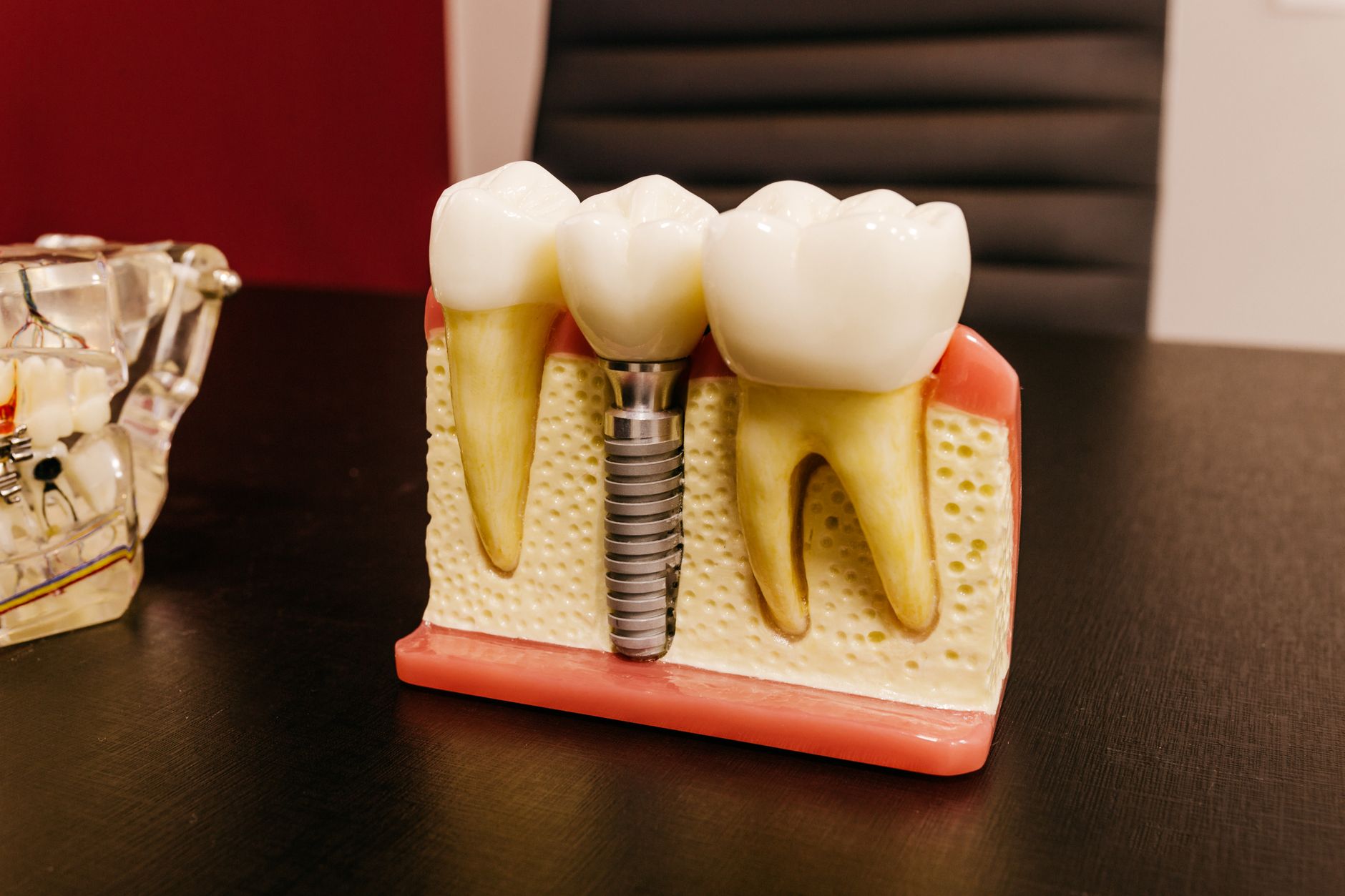
Photo by Jonathan Borba via Pexels
Two parts, two lifespans
An implant is not one object. It is a post (the part that fuses with the jawbone) and a crown (the visible tooth fixed on top). They age differently.
- The post. Once it has fused with the bone, it can stay for a very long time if the bone and gum around it stay healthy.
- The crown. It takes the same chewing load as a natural tooth, so it can chip, wear or loosen. Replacing a crown is a routine job. Replacing a post is not.
So when someone says an implant "failed after ten years", it is worth asking which part they mean. It is often the crown, and that is a much smaller problem. Our guide to a loose implant crown shows what that looks like in practice.
What shortens the life of an implant
- Gum disease around the implant. Called peri-implantitis (inflammation that eats into the bone holding the post). It is the main reason implants are lost late. Bleeding when you brush near an implant is the early sign, covered in our peri-implantitis post.
- Smoking. It slows healing and raises the risk of bone loss. See implants in a smoker.
- Grinding or clenching. Teeth have a small amount of give. An implant has almost none, so night-time grinding lands on the crown and screw.
- Skipped checkups. Early bone loss around an implant does not hurt. Nobody notices it until it is further along.
- Poor planning or too little bone at the start. This is a surgical and planning question, and it is why the first visit matters more than people expect.
Some conditions and medicines also affect healing. We cover one of them in implants on osteoporosis medication. Tell us everything you take, including the supplement your cousin recommended.
How to make an implant last
- Clean it like a natural tooth, and a little better. Brush twice a day and clean between the teeth every day. The gum line is where implants get into trouble.
- Keep your checkups. We look at the gum, the bite and the crown, and take an X-ray when it is due, to see the bone.
- Protect it from grinding. If you wake with a tight jaw, a night guard is cheaper than a new crown.
- Do not chew ice, hard candy or the cap of a pen. This applies to natural teeth too, but an implant crown cannot flex.
- Deal with gum bleeding early. It is much easier to treat in week one than in year three.
The American Dental Association has a plain page on dental implants, and the American Academy of Periodontology explains gum disease, which is the threat to watch.
Signs an implant needs to be looked at
Come in soon if you notice any of these:
- Bleeding or a bad taste around the implant
- Gum that is red, swollen or pulling back from the crown
- A crown that moves, clicks or feels loose
- Pain when you bite on it
A loose crown and a loose implant are not the same thing, and we can usually tell quickly which one you have. If the whole implant moves, that needs prompt attention. If a lost implant is already on your mind, replacing an implant that had to come out explains what comes next.
Implant or save the tooth: it changes the lifespan question
Sometimes the better long-term option is to keep your own tooth. A natural tooth treated with a root canal and crown can also last many years, and it avoids surgery. We compare the two in implant cost versus root canal and in how long a root canal lasts. If your tooth can be saved, we will tell you, even though that means no implant booking.
Implants in Beit Shemesh: what to ask us
Dr. Joel is a DMD trained in the US, and he explains the plan in English or Hebrew, which helps when you are comparing options and want precise answers rather than approximate ones. Ask these at the first visit:
- How much bone is there, and does it need building up first?
- What material and design is the crown?
- What does the maintenance schedule look like for my mouth?
- What happens if the crown or screw loosens later?
A loose crown or a painful, swollen implant on a Friday afternoon is a real problem, and Shabbat is reserved for genuine emergencies only. Call before Shabbat if you can. For fever, or swelling that spreads across the face or makes swallowing hard, go to a hospital emergency department rather than waiting for a dental clinic.
Our dental implants in Beit Shemesh page explains what we do, and the Ramat Beit Shemesh implants page covers the same service for patients in Ramat.
To have an implant checked or to ask about replacing a missing tooth, call or WhatsApp Urgent Dental Care at 055-985-8845. We are at Harav Kook 28/1, Beit Shemesh. After-hours emergency treatment is available outside our opening hours.
Common questions
Do dental implants last forever?
How often does an implant crown need replacing?
Can an implant fail after many years?
Is an implant better than saving my own tooth?
Does smoking shorten the life of an implant?
Can I get an implant checked in Beit Shemesh?
Still not sure? Message us.
Send Dr. Gabriel Joel, DMD a quick description of what's going on and we'll point you in the right direction.
Message on WhatsAppDentist in Beit Shemesh — our dental clinic