
What to Eat After a Tooth Extraction: A Simple Guide
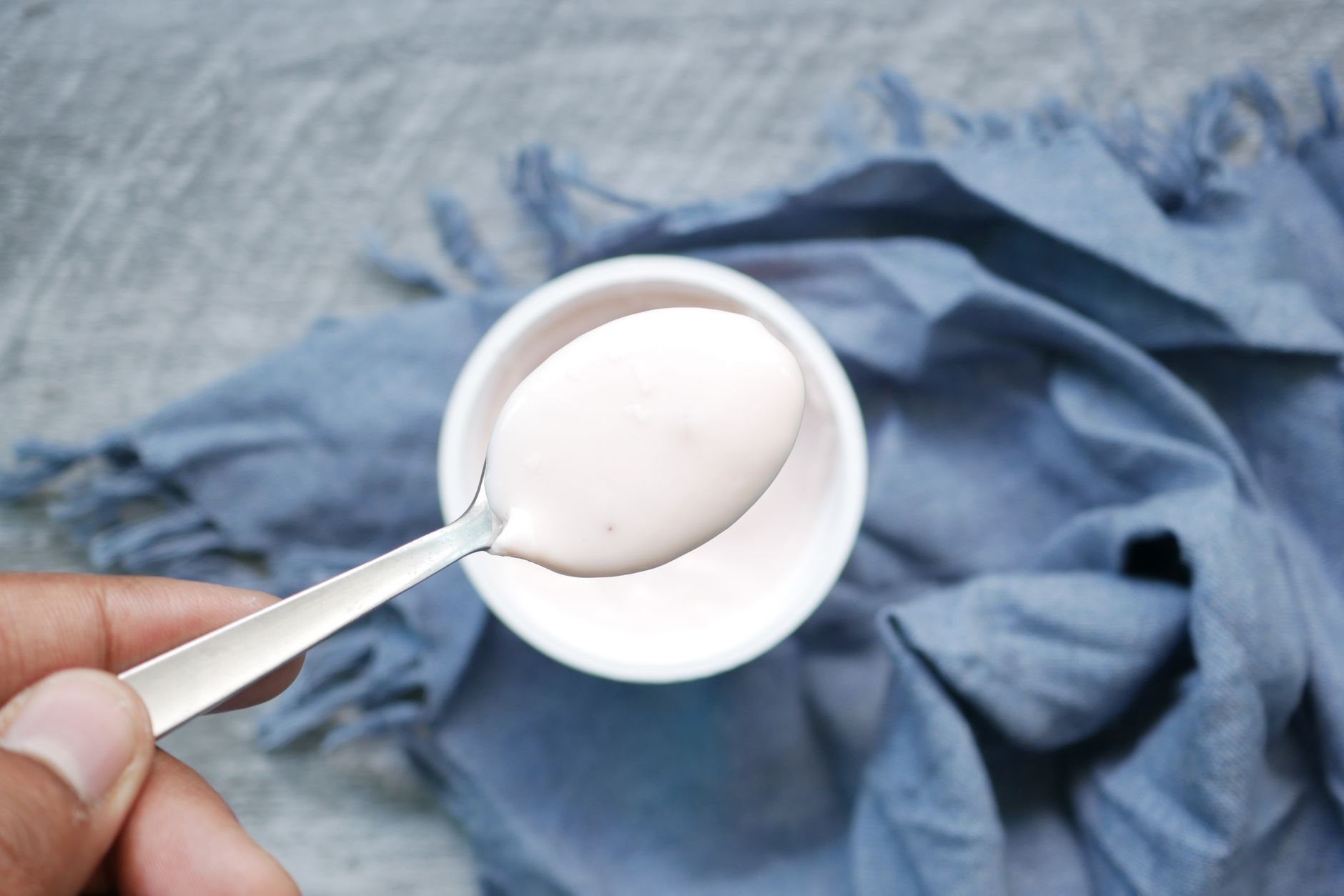
Photo by Towfiqu barbhuiya via Pexels
The first 24 hours: cold, soft, no chewing
On the day of the extraction, aim for food you could eat with a spoon and would never have to bite. Cold or lukewarm beats hot, because heat raises the blood flow to the area and can loosen the clot before it has properly set.
- Plain or Greek yogurt
- Applesauce and other smooth purées
- Smoothies and milkshakes, eaten with a spoon rather than a straw
- Cold or lukewarm soup, blended so there are no chunks
- Ice cream, which is genuinely one of the better first-day options because the cold eases swelling
- Mashed potato or mashed avocado, cooled down first
Eat on the opposite side from the socket, and let hot food sit until it is warm rather than steaming. This is the one day of your life where ice cream for dinner is medical advice, so take the win.
Days two and three: soft, but more of a meal
Once the first day is behind you and the clot has settled, you can add soft food with more substance, as long as it still mashes with a fork and does not need real chewing.
- Scrambled eggs
- Oatmeal or porridge, warm rather than hot
- Well-cooked pasta with a smooth sauce
- Soft-cooked fish
- Hummus, refried beans, or ricotta
- Cottage cheese and soft, ripe fruit like banana
You are still avoiding anything with sharp edges or small hard pieces. The point is to keep your energy and protein up without sending crumbs or seeds into the socket, where they lodge and irritate it.
The rest of the first week: easing back to normal
By day four or five most people can widen the menu to softer solids, guided by comfort rather than the calendar. If something hurts, drop back to softer food for another day. The socket sets the pace, not the clock.
- Soft bread with the crust off, tender chicken or ground meat
- Steamed vegetables cooked until soft
- Rice, if you can manage it without grains working into the socket
- Soft cheese, pancakes, ripe soft fruit
A surgical or wisdom-tooth extraction takes longer to feel normal than a simple one, so give it more room. Our guide to what a wisdom-tooth extraction involves explains why the lower ones in particular can stay tender for a while.
What to avoid, and why
Most of the food rules after an extraction are really one rule wearing different hats: keep the clot where it is. These are the things that most often dislodge it or slow the healing.
- Straws. The suction can pull the clot straight out of the socket. Drink from the cup.
- Hot food and drinks on the first day, because heat raises blood flow and can break the clot down.
- Hard and crunchy food like nuts, chips, crusty bread, and raw vegetables, which can knock or wedge into the site.
- Small seeds and grains that lodge in the socket, such as sesame, popcorn, and rice early on.
- Spicy and acidic food like citrus and tomato-heavy dishes, which sting an open wound.
- Sticky sweets like caramel or chewing gum, which pull at the area.
- Alcohol for the first few days, because it interferes with clotting and does not mix with pain medication.
Smoking does the same damage as a straw and then some, so the first days off it are the ones that pay off most.
How you eat matters as much as what
A few small habits protect the socket while it closes over.
- Chew on the other side of your mouth until the area is comfortable.
- Take small bites and go slowly for the first couple of days.
- Keep drinking water. Staying hydrated helps you heal and keeps you from reaching for something you will regret.
- After the first 24 hours, a gentle warm salt-water rinse after meals helps clear food from the area. Swish softly, do not swill hard.
- Leave the socket alone. Do not poke it with your tongue or a finger to check on it.
When to stop worrying about food and call instead
Some discomfort, mild swelling, and a little oozing on the first day are normal and do not need a phone call. A few things do.
The one to know is dry socket. If a deep, throbbing ache starts around day three or four, often spreading toward the ear, after the first days had been improving, the clot may have been lost and the bone left exposed. It is not dangerous, but it is genuinely painful and worth being seen for, because a dressing settles it quickly. Ordinary painkillers tend not to touch it, which is part of why pain relief only goes so far with some dental problems.
Call us, or your own dentist, if you have:
- Bleeding that has not slowed after biting firmly on gauze for an hour or two
- Pain that increases rather than eases after day two or three
- Swelling that keeps growing after three days, or a fever
- A bad taste or discharge that does not settle
Go to a hospital rather than a dental clinic if you have heavy bleeding you cannot control, swelling spreading down your neck or closing an eye, or any trouble breathing or swallowing. That is beyond what a dental chair is for. For everything else, the normal recovery timeline covers what each day should feel like.
Eating after an extraction is mostly a few days of patience, not a strict list to memorise. Soft, cool, and slow carries you through the part that matters, and your appetite for real food usually comes back before the socket has fully closed. If you are not sure whether something you are feeling is normal, we would rather you asked than waited it out.
We handle tooth extractions and the aftercare that follows at our clinic at Harav Kook 28/1 in Beit Shemesh. Call or WhatsApp 055-985-8845, Sunday to Thursday 8:00 AM to 8:00 PM and Friday 9:00 AM to 5:00 PM, with after-hours emergency treatment outside those hours. The same advice holds whether it was a simple tooth or a surgical extraction.
For guidance from sources with nothing to sell, the ADA's MouthHealthy explains what dry socket is and how to avoid it, and the American Association of Oral and Maxillofacial Surgeons covers recovery after having a tooth removed.
Common questions
When can I eat solid food again after a tooth extraction?
Can I eat ice cream after a tooth extraction?
Why can't I use a straw after a tooth extraction?
What should I eat on the first day after an extraction?
Can I eat on the same side as the extraction?
What foods cause a dry socket?
Still not sure? Message us.
Send Dr. Gabriel Joel, DMD a quick description of what's going on and we'll point you in the right direction.
Message on WhatsAppDentist in Beit Shemesh — our dental clinic