
How to Spot a Dentist Who Oversells Treatment
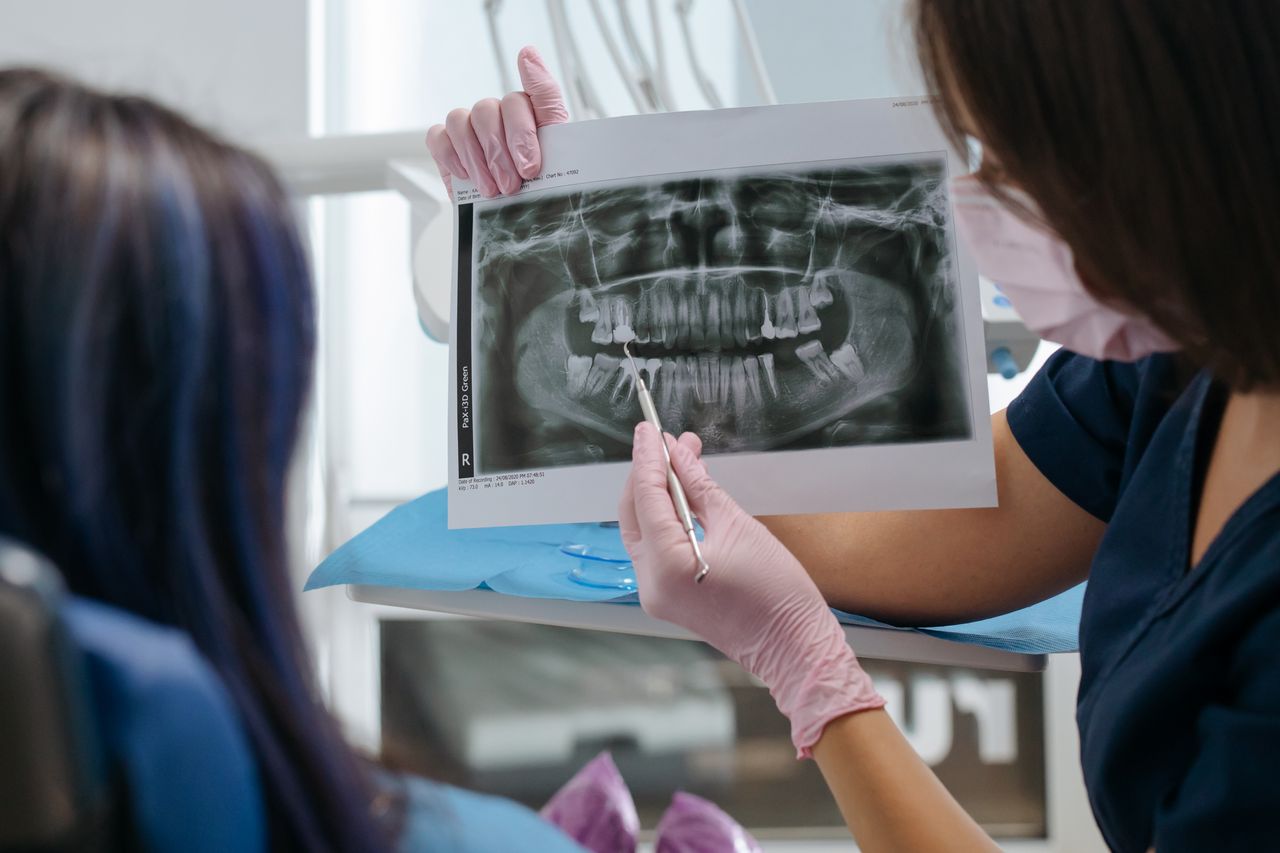
Photo by cottonbro studio via Pexels
The plan comes before the examination
A proper examination is not long, but it has a shape. Someone looks at the tooth that hurts and the ones either side of it. They check the gum. They ask when the pain started, whether it wakes you at night, whether cold sets it off and how long it lingers. If the tooth is a candidate for a root canal, they test whether the nerve is still responding.
Most of the time an X-ray follows, because decay between teeth and infection at the root tip do not show up when someone shines a light in your mouth. Only after that does a plan make sense.
When the order is reversed, the plan cannot be based on your findings. Nobody has collected any yet.
You are never shown what they are looking at
You do not need to read an X-ray. You do need to be shown one, and told in plain words what it means. "There is decay here, under the old filling, and it has reached the nerve" is an explanation. "You need three crowns" is an instruction.
Ask to see the image and have the problem pointed out. A dentist who is confident in the finding will do it without hesitating, and will also tell you which parts are not yet clear. Real diagnosis has uncertainty in it. Someone saying they need another view before deciding is showing you their reasoning, not their doubt.
Urgency without a clinical reason behind it
Overselling often looks like pressure rather than price. "If you do not do this now you will lose the tooth" is a reasonable sentence when there is an infection draining from the gum. It is not a reasonable sentence about a tooth that has been mildly sensitive to cold for a month.
Some situations genuinely will not wait. Facial swelling, a tooth knocked out or pushed out of position, bleeding that will not stop, fever alongside dental pain. Those need to be seen the same day. But even then the explanation should be calm and specific about what is happening and why it cannot wait.
If the urgency is real, it survives being questioned. Ask what happens if you wait two weeks and you should get a straight clinical answer rather than a repeat of the same warning in a firmer voice.
The plan is far bigger than the complaint
You came in because one tooth hurts. You leave with a plan for the whole mouth. Occasionally that is honest, because the examination genuinely found more than you knew about, and a dentist who spots early decay elsewhere should say so.
What matters is whether the plan is put in order. Treatment has a natural sequence:
- Deal with the pain or the infection first
- Finish the diagnosis on anything still unclear
- Restore what needs restoring
- Plan anything cosmetic or long-term last, and separately
A plan presented as one indivisible block, where everything must be agreed to at once, is worth slowing down. The urgent part is almost never the whole of it.
When a big plan is actually correct
Not every large recommendation is a sales pitch, and treating every one with suspicion has its own cost. A mouth that has not been examined in ten years can genuinely need a lot of work. A tooth that has been quietly infected for months can genuinely need a root canal and a crown rather than a filling.
Waiting to see whether a dental problem resolves on its own is usually the more expensive choice. Teeth do not heal the way skin does. Decay that has reached the nerve does not reverse, and the longer an infection sits, the more of the tooth there is to rebuild afterwards. The honest version of urgency sounds like an explanation of that process. The dishonest version skips it and goes straight to the deadline.
What to ask before you agree
Five questions, none of them confrontational, all of which a careful dentist will welcome:
- What did you find, and can you show me on the X-ray
- What are the alternatives, including doing nothing for now
- What happens if I wait a month
- Which part of this is urgent and which part can be planned
- Is anything here still uncertain
The last one is the most revealing. A dentist who admits that one tooth needs watching rather than treating is not being indecisive. They are telling you they can tell the difference between the two, which is the whole skill.
If the answers are short, vague, or delivered as though the question was rude, that is information. You are allowed to take the plan home and think about it. A second opinion on a large plan is normal, and any dentist secure in their diagnosis expects some patients to get one.
When not to bother coming in at all
Some things do not need an emergency appointment, and we would rather say so than book you. A tooth that twinges briefly on cold and settles within seconds can wait for a routine visit. Mild gum tenderness in one spot after a session with the floss usually settles by itself in a few days. A chip in the edge of a tooth that is not sharp and does not hurt can be dealt with at your convenience.
Go to a hospital rather than to us if the swelling is closing your eye or spreading down your neck, if you are having difficulty swallowing or breathing, or if there is a high fever alongside the dental pain. That is beyond what a dental chair is for.
Everything in between, including a toothache you suspect has become an abscess, is worth a phone call. You can reach the clinic on 055-985-8845, Sunday to Thursday 8:00 AM to 8:00 PM and Friday 9:00 AM to 5:00 PM. If you are anxious about the appointment itself rather than the tooth, that is worth saying when you call.
If a previous root canal is the thing being questioned, retreatment is a real option and not automatically a failure of the first attempt. And if you are weighing a large restoration against removing the tooth, the comparison between the two is worth reading before you decide.
For a second view from outside any practice, the ADA's MouthHealthy guide to dental visits sets out what an examination should include, and the AAE patient guide explains when root canal treatment is genuinely indicated.
We treat emergencies at our clinic in Beit Shemesh, at Harav Kook 28/1.
Common questions
Is it rude to ask a dentist why I need a treatment?
Should I always get a second opinion on an expensive plan?
How can I tell whether a root canal is really necessary?
Does a dentist recommending several treatments mean they are overselling?
What if I cannot afford the whole plan right now?
Can I ask for a copy of my X-rays?
Still not sure? Message us.
Send Dr. Gabriel Joel, DMD a quick description of what's going on and we'll point you in the right direction.
Message on WhatsAppDentist in Beit Shemesh — our dental clinic