
Scared of the Dentist? What Really Helps an Anxious Patient
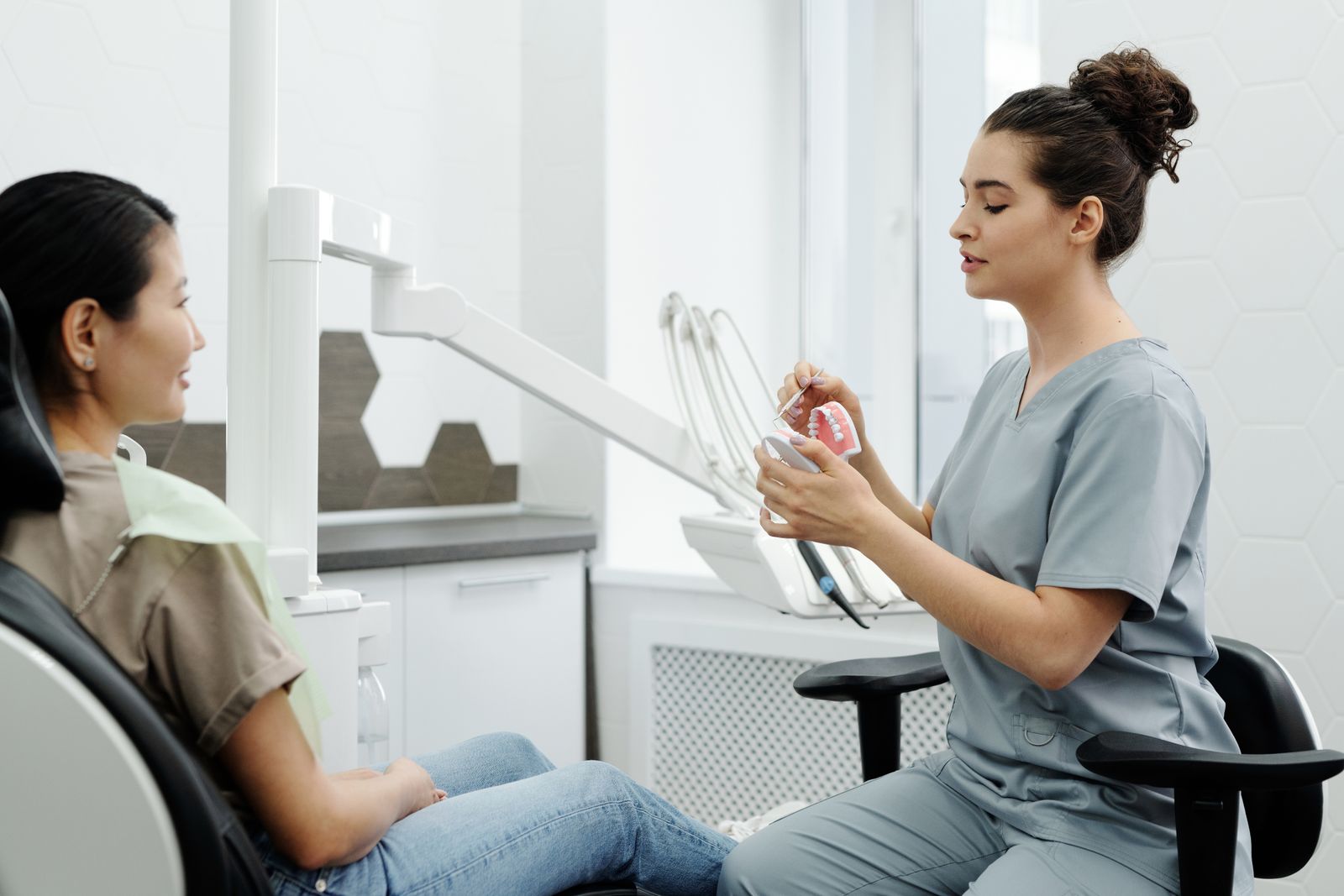
Photo by Cedric Fauntleroy via Pexels
Why Being Scared of the Dentist Is So Common
Dental fear is one of the most common fears there is. For most people it traces back to a specific bad experience, often from childhood, when an injection was rushed or a tooth was worked on before it was properly numb. That memory sticks, and it colours every appointment afterwards.
The rest is about control. Lying back with your mouth open, unable to see what is happening or say much, is a vulnerable position for anyone. Add the sound of the drill and the smell of the clinic and the body reacts before the brain has a chance to reason with it. None of that means something is wrong with you. It means you are paying attention.
Tell Us You're Nervous Before We Start
The single most useful thing you can do is say it out loud at the beginning. Not because we will make a fuss, but because it changes how we run the whole visit.
Once we know you are anxious, we slow down, explain what is coming before we do it, and check in as we go. We agree on a signal, usually a raised hand, that means stop. When you know you can stop the appointment at any second, it stops feeling like something being done to you and starts feeling like something you are in charge of. That shift does most of the work.
What We Do to Make the Visit Easier
None of this is dramatic. It is a set of small, practical things that add up to a calmer visit.
- We explain first, then act. No surprise instruments, no starting before you are ready.
- We numb thoroughly and wait. The tooth is fully numb before anything begins, and we test it first rather than assuming.
- You set the pace. Want a break to breathe or sit up for a minute? Say so. There is no clock you are failing to beat.
- The whole visit can be in English. Understanding exactly what is happening, in your first language, takes a lot of the fear out of it.
- Bring your own earphones and your own music. The drill sound bothers people more than the treatment does, and your own playlist covers it. We will not judge your taste, even if it needs judging.
Does It Have to Hurt? The Needle Question
For most people the real fear is the injection, not the treatment. Here is the honest version: fear of the needle costs people far more dread than the needle itself causes pain. The anaesthetic technique, not the needle, is what decides whether an injection is uncomfortable. We put numbing gel on the gum first, then go slowly, and most people tell us afterwards that the part they dreaded for weeks was over in seconds.
Once the tooth is numb, you feel pressure and movement but not pain. If you do feel something sharp, that is your signal to raise your hand, and we add more anaesthetic before carrying on. One patient had a root canal here fully expecting a terrible time, then asked us to pass on her thanks afterwards because she felt fine. Her mother, a dentist herself, looked at the photos from the procedure and was impressed with the work. People braced for the worst are usually the most surprised. Our guides on whether a root canal is really painful and what to expect during treatment walk through it step by step.
When You're Scared and in Pain at the Same Time
When fear and a throbbing tooth arrive together, the fear tells you to avoid the one thing that would fix the pain. Avoiding it rarely helps. A small cavity that could have been a filling turns into a root canal, and a tooth that could have been saved ends up pulled.
If fear is what is stopping you, you do not have to fix everything in one visit. Come in, let us look, and get the pain under control first. If you need something to get through until the appointment, our guides on which painkillers actually help and how to calm tooth pain until you are seen cover the safe options.
When It's More Than Nerves
Being nervous is one thing. A genuine phobia, where you physically cannot sit in the chair even for a look, is another, and it deserves honesty. We treat with local anaesthetic and a calm, unhurried approach, which is enough for the large majority of anxious patients. That is not the same as being put fully to sleep. If you know from experience that you can only be treated under sedation or general anaesthetic, that is a specific sedation-dentistry or hospital setting, and that is where you should go. We will tell you plainly if that is the case rather than talk you into a chair you are not ready for.
And if this is a real emergency on top of the fear, the medical side comes first. Swelling spreading toward your eye or down your neck, trouble breathing or swallowing, or a high fever with a bad tooth means the nearest hospital emergency room, not a dental clinic. Our guide on facial swelling from a tooth infection explains why.
You do not have to explain or justify being frightened when you call. Tell us, and we will work around it. Call or WhatsApp us at 055-985-8845. We are at Harav Kook 28/1 in Ramat Beit Shemesh, open Sunday to Thursday 8:00 AM to 8:00 PM and Friday 9:00 AM to 5:00 PM, with after-hours emergency treatment outside those hours. You see one dentist, Dr. Gabriel Joel, DMD, who trained in the United States, and the whole visit can be in English. See our emergency dental care and root canal treatment pages for how visits work.
For guidance from sources with nothing to sell, the ADA's MouthHealthy explains how to handle a dental emergency, and the American Association of Endodontists has patient information on root canal treatment if the fear is specifically about that.
Common questions
Is it normal to be scared of the dentist?
What should I tell the dentist if I'm nervous?
Do you offer sedation or laughing gas?
Does the numbing injection hurt?
Can I stop partway through if it gets too much?
I've avoided the dentist for years. Is it too late or too embarrassing?
Can I bring someone with me?
Still not sure? Message us.
Send Dr. Gabriel Joel, DMD a quick description of what's going on and we'll point you in the right direction.
Message on WhatsAppDentist in Beit Shemesh — our dental clinic