
Crown Fell Off: What to Do and Is It an Emergency?
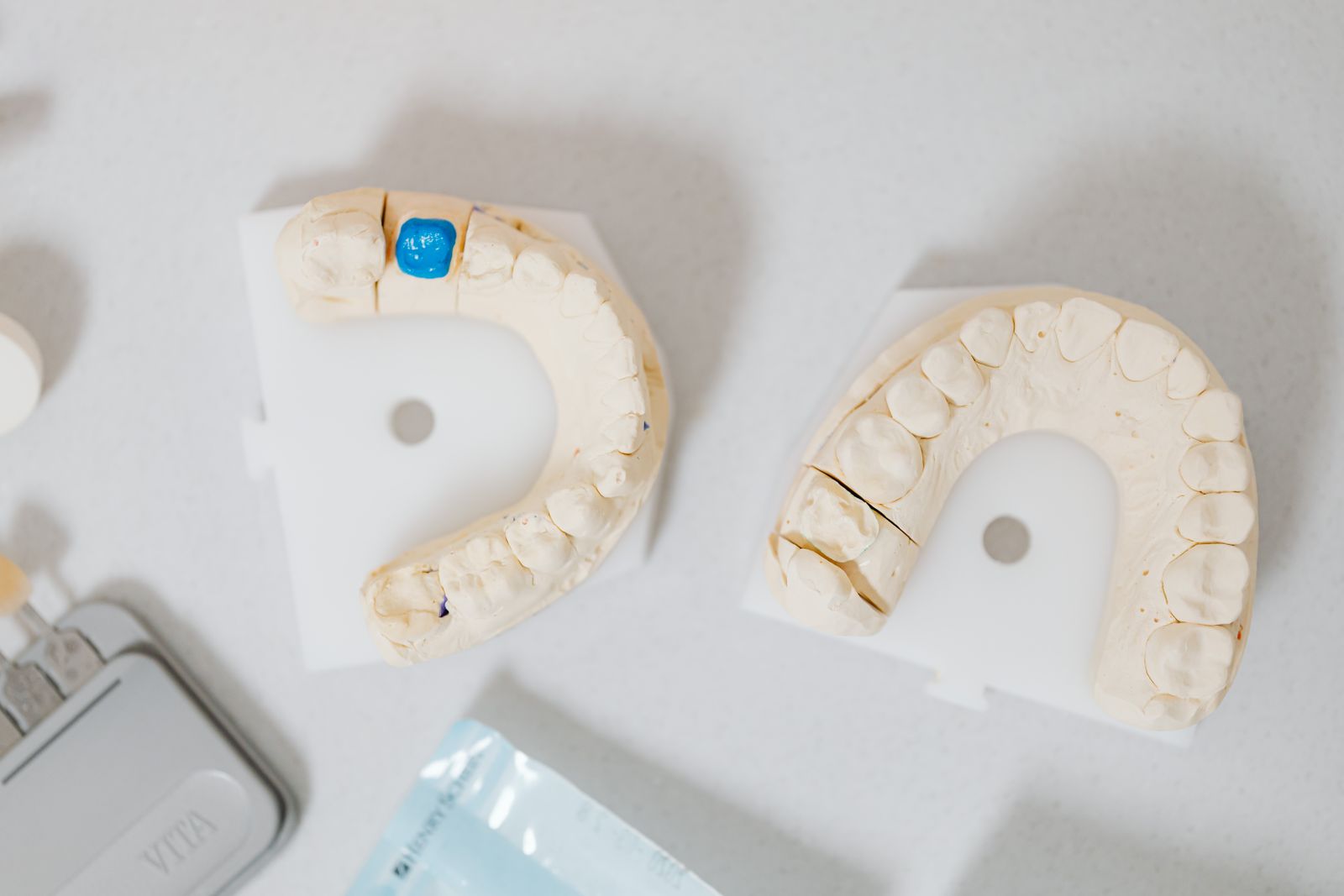
Photo by Kaboompics.com via Pexels
Is a Lost Crown a Dental Emergency?
Almost always, no. A crown is cemented onto a tooth, and that cement can weaken over the years, so crowns come loose or fall off without much warning. It often happens while you are eating something sticky or chewy, and the tooth underneath is frequently not painful at all. That means you usually have time to be seen properly rather than rushing anywhere tonight.
What matters is not leaving the tooth bare for weeks. The stump under a crown has often had a lot of its structure removed, or a root canal, so it is more vulnerable than a normal tooth to decay, sensitivity, and shifting. Left too long, the tooth can move just enough that the old crown no longer fits, which turns a simple recement into a whole new crown. So treat a lost crown as a job for this week, unless the red flags further down apply.
What to Do the Moment a Crown Comes Off
A few simple steps protect the tooth and give the best chance of getting the same crown back on:
- Find the crown and keep it safe. Rinse it, dry it, and put it somewhere you will not lose it. A crown that comes off cleanly can often be recemented, which is quicker and cheaper than making a new one.
- Do not swallow it. If a crown comes loose while you are eating, be careful not to swallow or inhale it. If you think you have swallowed it, it will usually pass on its own, but mention it when you call.
- Keep the tooth clean. Gently brush the exposed tooth and rinse with warm salt water to clear away food.
- Chew on the other side so nothing packs into or knocks the bare tooth.
- For sensitivity, the exposed tooth can react to cold, air, and sweet things. An over-the-counter painkiller taken as directed, or a little clove oil dabbed on the tooth, settles most of it.
If the tooth feels sharp or sensitive, pharmacies sell temporary dental cement made for exactly this, which brings us to the next question.
Can You Put the Crown Back Yourself?
Sometimes, as a short-term measure only. If the crown is clean and slips back on easily and sits flush, you can hold it in place temporarily with dental cement or denture adhesive sold at a pharmacy for this purpose. Clean and dry the crown and the tooth first, put a thin layer inside the crown, seat it, bite gently to settle it, and wipe away whatever squeezes out. Do this only if it seats without force. If you have to push, leave it off, because a crown put on crooked can damage the tooth or throw off your bite.
What not to reach for is household glue. Superglue and the like are toxic, they are not made for the inside of a mouth, and they make it far harder for us to get the crown off cleanly and reuse it. The kitchen drawer is not a dental supply cupboard, whatever a video online suggests. Temporary cement is a stopgap to keep the tooth comfortable for a day or two, not a repair, so still arrange to be seen. If a filling rather than a crown has come out, our guide on a temporary filling that fell out covers that case.
Why the Exposed Tooth Still Needs Seeing
Here is the honest part. Waiting to see whether a lost crown is really a problem is usually the more expensive choice, not the cheaper one. The tooth does not hurt, life is busy, and the crown ends up in a drawer for a few months. In that time the exposed stump can decay, chip, or drift, and the tooth next to it can lean in. By the time it does start to ache, it often needs more than the old crown put back.
A crown protects the tooth under it, and that job matters most on a tooth that has had a root canal, because a treated tooth is more brittle and can crack if it is left to take the full force of chewing uncovered. Getting the crown back on promptly is what keeps a small, cheap fix from becoming a big one. If you want the background on what a crown does and why it is worth protecting, our guide to what a dental crown is lays it out.
When a Lost Crown Is More Urgent
Most lost crowns can wait a few days. A few signs mean it is worth calling sooner rather than letting the week fill up:
- Throbbing or building pain from the tooth, rather than mild sensitivity.
- A crown that came off with a piece of tooth still inside it, or a stump that feels broken or jagged.
- Swelling of the gum, cheek, or face around the tooth.
- A bad taste or discharge from the tooth, with or without a fever.
Those suggest the tooth is broken, decayed, or becoming infected under where the crown was, and that wants seeing promptly rather than sitting on. Pain from a crowned tooth usually means something is happening underneath, not with the crown itself. If the tooth has broken rather than just lost its cap, that needs looking at rather than a simple recement.
What is not a dental appointment at all: swelling spreading toward your eye or down into your neck, a fever alongside a swollen face, or any trouble breathing or swallowing. Go straight to a hospital emergency room, not the dentist, because a spreading infection is dangerous whatever started it. Our guide to when a toothache is a real emergency helps you tell the difference.
Getting the Crown Back On
At the appointment we check the crown and the tooth under it before deciding what to do. If the crown is intact and the tooth beneath it is sound, the usual fix is to clean both and recement it, which is quick and straightforward. If it came off because of new decay or a crack under the crown, that has to be dealt with first, and sometimes the tooth needs building back up before the crown will hold.
Now and then the old crown cannot be reused, either because it is damaged or because the tooth changed shape while it was off, and a new one is made. That is the more involved and costlier route, and it is exactly the outcome that being seen quickly helps you avoid. Bring the crown with you either way. Even if it cannot go back on, it helps us match a new one.
If your crown has fallen off, call or WhatsApp 055-985-8845 and we will get the tooth protected and the crown back on. We are in Ramat Beit Shemesh, open Sunday to Thursday 8:00 AM to 8:00 PM and Friday 9:00 AM to 5:00 PM, with after-hours emergency treatment outside those hours. If the tooth is painful, swollen, or broken, say so when you call and we will see you sooner. Our dental first aid page explains how we handle urgent problems like this.
For guidance from sources with nothing to sell, the ADA's MouthHealthy explains what dental crowns are and how they are used, and the American Association of Endodontists covers how a treated tooth is restored and cared for.
Common questions
Is it an emergency if my crown fell off?
Can I put my crown back on myself?
Can I use superglue to stick my crown back on?
How long can I leave a tooth with no crown?
Why did my crown fall off?
Does it hurt when a crown comes off?
Will I need a new crown or can the old one go back on?
Still not sure? Message us.
Send Dr. Gabriel Joel, DMD a quick description of what's going on and we'll point you in the right direction.
Message on WhatsAppDentist in Beit Shemesh — our dental clinic