
Is It Normal for a Tooth to Move When You Push It?
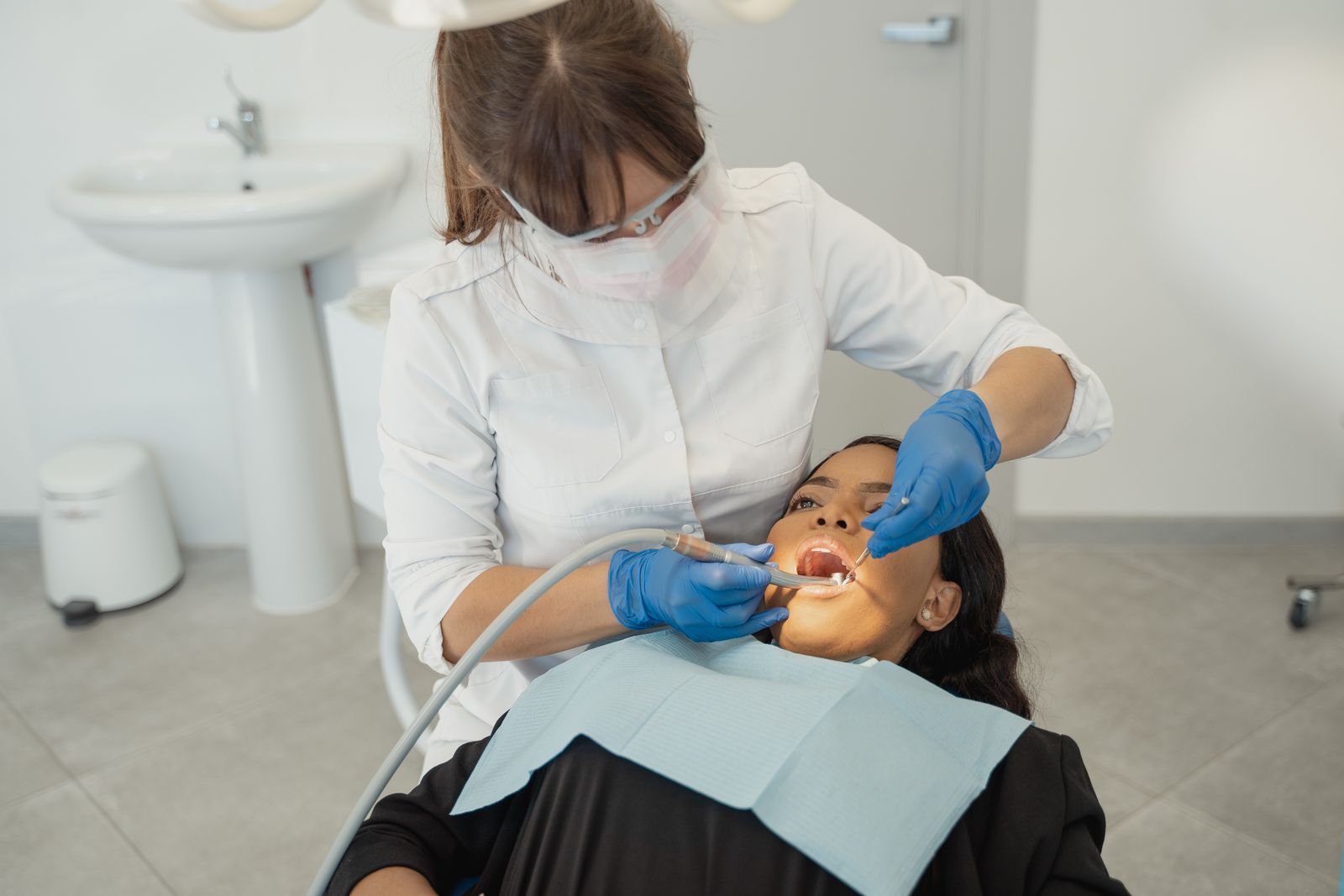
Photo by Tima Miroshnichenko via Pexels
Why a Healthy Tooth Moves at All
The root sits in a socket, but not directly against the bone. A thin ligament (the periodontal ligament) holds it there, and that ligament is slightly springy. It is what lets you bite down on a seed without cracking the tooth.
So when you push, you may feel the tooth give by a hair. Front teeth, which have a single root, give a little more than back teeth. Children's teeth give more again, because the roots are still forming or dissolving.
If you can barely feel it, and every other tooth does the same, that is anatomy. In most cases the answer is boring.
How to Check Without Making It Worse
Most people test the tooth once, feel it move, and then keep testing. That is understandable. It is also the one thing that makes a sore ligament sorer.
Do it once, gently, and compare:
- Against the tooth on the other side. If the matching tooth feels the same, you are probably fine.
- Against yourself last week. A tooth that is moving more than it used to is the finding that matters, not the movement itself.
- By looking, not just pushing. Visible rocking, a tooth that has shifted position, or a new gap is different from a feeling.
Then leave it alone. Tongue-pushing, wiggling and checking in the mirror every hour will irritate the tissue and muddy the picture.
What Makes a Tooth Move More Than It Should
Several things loosen a tooth, and they have different urgency.
- Gum disease. Bacteria destroy the bone and ligament around the root, and the tooth loses its support. This is the most common cause in adults, and it is often painless until late. Bleeding gums, gums pulling back from the teeth and bad breath that does not go away usually come with it.
- A bite injury or clenching. Grinding at night or biting down on something hard strains the ligament. The tooth feels tender and slightly high, and may move a little for days or weeks.
- A crack or infection at the root. An abscess (a pocket of infection) at the tip of the root pushes the tooth up and makes it feel loose and sore to bite on. Our post on tooth pain when biting covers the cracked-tooth version.
- A knock. A tooth that has been hit may loosen immediately or a few days later. See a loose tooth after an injury.
- Orthodontic movement, pregnancy and hormonal change. Teeth can feel slightly looser during these. That is usually temporary, but mention it to your dentist.
When It Is Worth Booking, and When It Can Wait
It can wait for a routine visit if the movement is slight, there is no pain, the gums look normal, and it has been the same for as long as you can remember. Tell your dentist at the next check-up and have the gums measured.
Book sooner if:
- The tooth moves visibly, or more than it did.
- The gum around it is red, swollen, bleeding or has a bump on it.
- It hurts to bite, or there is a bad taste near it.
- The movement started after a knock, or a tooth has changed position.
Go to a hospital emergency room instead if you have swelling spreading into the face or neck, difficulty swallowing or breathing, or a fever. That is not a loose-tooth problem any more.
If You Are in Beit Shemesh
Our clinic is at Harav Kook 28/1. Dr. Joel is US-trained and treats in both English and Hebrew, which helps with this particular complaint, because "it feels a bit loose" is easier to sort out when you can describe it precisely. We keep same-day appointments available at the Beit Shemesh clinic, and Friday is open 09:00 to 17:00. Shabbat is reserved for genuine emergencies only.
What we do is look, take an x-ray to see the bone around the root, and measure the gum pockets. That tells us whether this is a bite problem, a gum problem or an infected tooth. Gum problems are covered on our gum treatment page, and anything painful or swollen on our emergency dentist page. A tooth that is loose because of gum disease is far easier to hold on to when it is caught early, so a short visit now is a better use of time than another week of testing it.
For independent reading, see the ADA's MouthHealthy page on gum disease and the American Association of Endodontists' patient information.
If a tooth feels different and you would like it checked, message Urgent Dental Care in Beit Shemesh on WhatsApp at 055-985-8845.
Common questions
Is it normal for a tooth to move slightly when I push it?
How can I tell if my tooth is loose because of gum disease?
Can a loose tooth tighten up again?
Should I keep wiggling the tooth to see if it is getting better?
Is a slightly loose tooth an emergency?
Can I see a dentist in Beit Shemesh the same day for a loose tooth?
Still not sure? Message us.
Send Dr. Gabriel Joel, DMD a quick description of what's going on and we'll point you in the right direction.
Message on WhatsAppDentist in Beit Shemesh — our dental clinic